Rising oil prices and hawkish Fed create uncertainty in stock markets
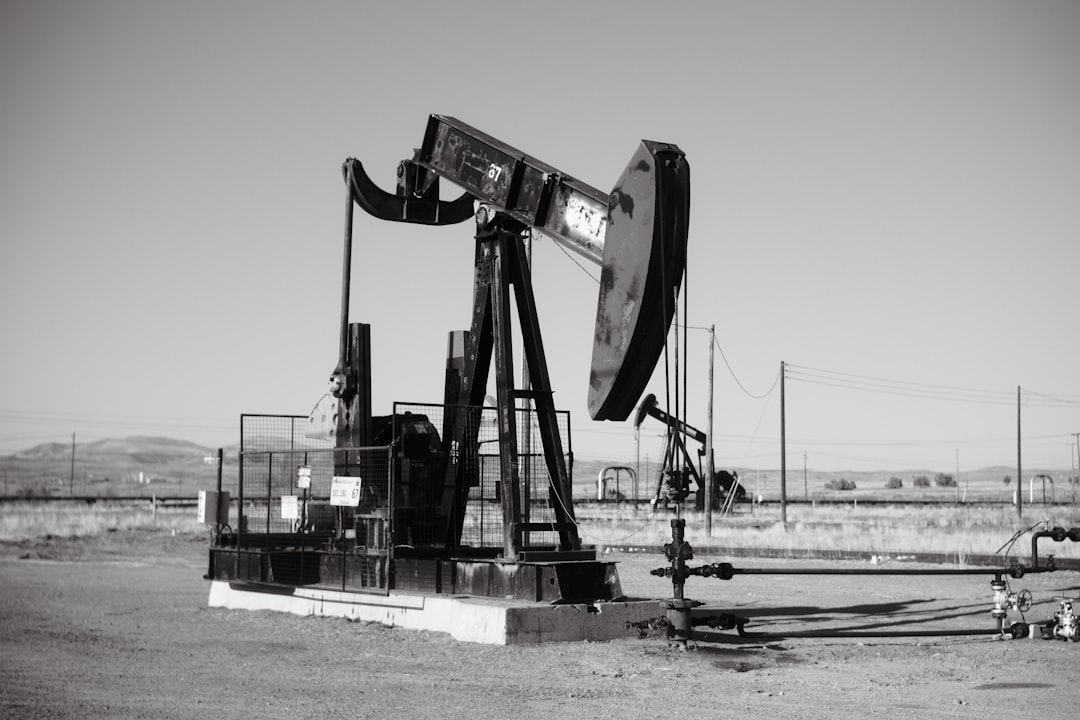
Rising oil prices and a hawkish Federal Reserve pressure U.S. stock markets, with S&P 500 benchmarks falling and financial sector stocks underperforming.
The stock market is facing significant challenges as rising oil prices and a more hawkish Federal Reserve put increased pressure on investor sentiment. On a recent trading day, the Dow Jones Industrial Average fell nearly 400 points, along with declines in the S&P 500 and NASDAQ. Meanwhile, crude oil prices surged, with Brent crude topping $119 per barrel, adding to macroeconomic concerns.
Oil Prices Surge and Amplify Inflation Worries
The surge in global oil prices, driven by rising Brent crude levels, has reignited fears about inflation. While West Texas Intermediate (WTI) serves as a benchmark, it has not captured the full extent of market jitters. Brent crude's rise to $119 per barrel signals challenges for consumers and businesses alike. Elevated gas prices typically pull back consumer spending, as households tighten budgets to manage rising energy costs.
Josh Brown, an investment expert, argued that high oil prices are disinflationary in the long term, as reduced consumer spending tends to slow economic growth. Yet, oil's upward momentum heavily impacts immediate inflation metrics, leaving markets uneasy.
A Hawkish Federal Reserve Adds Pressure
Federal Reserve Chair Jerome Powell has reiterated that inflation remains more stubborn than initially anticipated. His comments have significantly shifted market expectations, increasing the likelihood of another interest rate hike by June. The possibility of rate cuts now appears minimal, further weighing on equities.
Yields on the short-term two-year U.S. Treasury note have spiked, marking their highest level since August 2025. The bond market's sharp movements reflect expectations of tighter financial conditions, making it more expensive for companies to borrow and grow.
Financials and Broader Market Struggles
One of the most concerning aspects of market performance has been the weakness in financial sector stocks. The sector has been pivotal to recent bull markets but is now under significant pressure. According to market data:
- Capital One Financial is down 26% year-to-date.
- Wells Fargo has entered a bear market with a 20% decline.
- Of the 70 financial stocks in the S&P 500, only five have posted gains this year.
This breadth of underperformance contributes to a broader sentiment issue, with investors questioning the sustainability of rallies in other sectors. Financial stocks often serve as a bellwether for economic health, and their struggles amplify concerns about systemic risks.
Comparing Financials to Other Sectors
| Sector | Performance in 2025 YTD | Commentary |
|---|---|---|
| Financials | -20% to -26% | Struggling with systemic concerns |
| Technology | Mixed | AI optimism offset by earnings uncertainty |
| Consumer Discretionary | Mixed | Dependent on consumer spending resilience |
| Energy | Positive | Rising oil boosts limited exposure |
Beyond financials, other traditionally defensive sectors like gold and homebuilders are also facing headwinds. Gold dropped below its 50-day moving average, experiencing its worst week since 1983. Rising mortgage rates have dented hopes for a homebuilder rally.
Moving to the Sidelines: Investor Sentiment Shifts
In light of these economic headwinds, many investors are opting to shift capital to the sidelines. High cash yields, which remain attractive amid rising interest rates, provide an alternative to equities. The strategy of parking funds in cash or short-term bonds is gaining traction as broader indicators like the S&P 500's 50-day moving average depict a bearish outlook.
Jonathan Krinsky of BTIG noted that the S&P 500's 50-day moving average sits at its lowest level since April 2025. More critically, the index has fallen below its 200-day moving average, signaling continued pessimism. A potential move toward 6,000 is now viewed as having a "decent probability."
Energy Sector: A Rare Bright Spot
Interestingly, the energy sector is one of the only areas showing positive performance this month. However, most investors remain underexposed to energy given its limited weighting in the S&P 500. Rising geopolitical tensions, particularly in the Middle East, have added to oil price volatility, complicating market dynamics further.
For long-term investors, current valuations in certain sectors might appear attractive, but patience is key. With yields expected to remain elevated and financial conditions tightening, a cautious approach appears warranted.
Practical Investor Takeaways
- Energy Exposure: Given the strength in oil prices, a diversified energy position could provide some insulation from broader market volatility.
- Cash and Short-Term Bonds: Attractive yields make cash and short-term bonds a compelling option, especially as interest rates remain high.
- Caution on Financials: With only five of 70 S&P 500 financial stocks in positive territory, avoiding risk in this sector may be prudent.
- Monitor Key Averages: Stay vigilant about technical indicators like the 50-day and 200-day moving averages, as they reflect broader market trends.
- Consumer Behavior Trends: Watch how gas prices influence spending habits, as this could impact retail and discretionary sectors moving forward.
Conclusion
The combination of rising oil prices and a hawkish Federal Reserve has created a risk-off environment for investors. With financial stocks underperforming, inflation pressures persisting, and geopolitical tensions intensifying, markets are unlikely to stabilize in the near term. High cash yields and a cautious allocation strategy remain prudent as the S&P 500 slides below its key technical levels. While energy stocks provide a rare bright spot, the overall market sentiment leans bearish.
Staff Writer
James covers financial markets, cryptocurrency, and economic policy.
Comments
Loading comments…


