Rob Hadick on Crypto's 2026 Outlook: Bitcoin, Ethereum, and the Rise of Prediction Markets
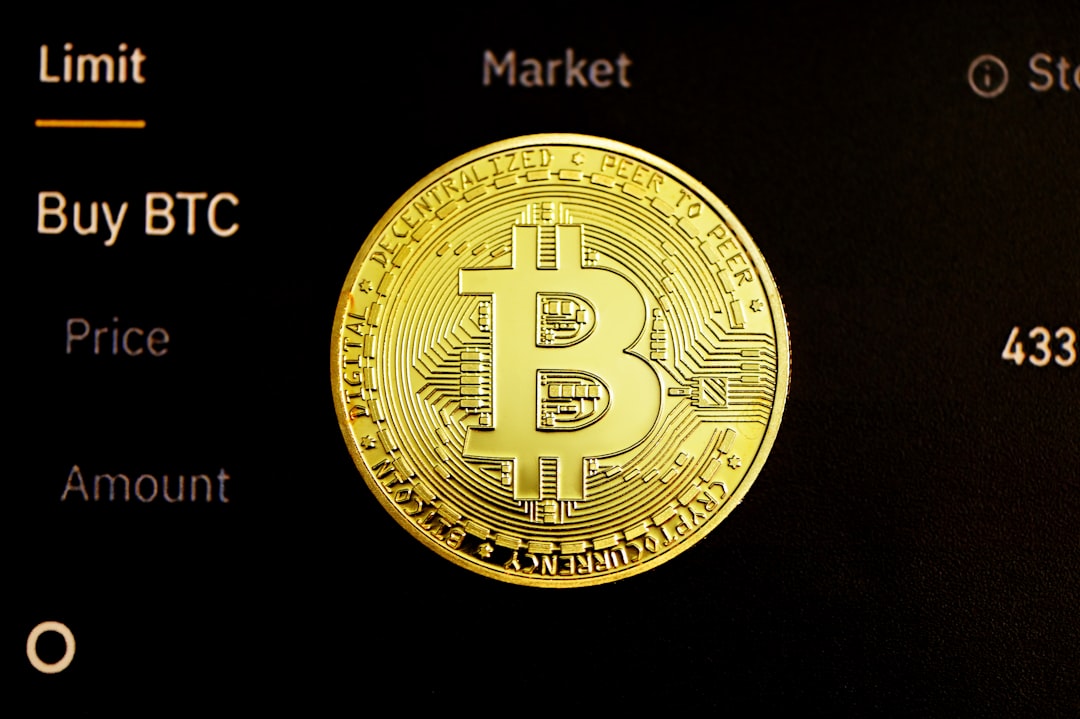
Investment expert Rob Hadick shares insights on crypto's future, detailing Bitcoin trends, Ethereum vs. Solana, and the expanding prediction market space.
The cryptocurrency landscape has faced challenges over the past year, but experts like Rob Hadick, general partner at Dragonfly, remain optimistic about the future. In a recent discussion, Hadick shared his predictions for 2026 and beyond, focusing on where major assets like Bitcoin and Ethereum are headed, as well as the transformative potential of prediction markets and stablecoins.
Bitcoin’s Standing in 2024 and its Path Forward
Bitcoin has encountered volatility in the past year, but Rob Hadick urges investors to take a broader perspective. He noted that Bitcoin’s returns have exceeded 26% over a broader timeframe, performing comparably to the Nasdaq, which is up 28%, while doubling its value over two years. This long-term view, Hadick suggests, paints a more constructive picture of Bitcoin’s position going into 2026.
Looking ahead, Hadick expects continued momentum, supported by improving macroeconomic conditions and better monetary policy. Token adoption, especially among significant asset managers, is also increasing. As McKinsey reported, stablecoins now make up 3% of cross-border payments—a sharp rise from essentially zero a year ago. This figure, Hadick believes, could grow tenfold, indicating an accelerating shift in institutional adoption.
Ethereum vs. Solana: A Coexisting Future
The ongoing debate between Ethereum and Solana is a significant topic among investors. Hadick, however, views this not as a clash but as complementary. He explained that each blockchain excels in different areas, with Ethereum dominating in terms of economic activity, particularly with stablecoin usage and total value locked (TVL), while Solana’s low-cost, high-speed transactions have made it an ideal platform for trading volume.
Hadick believes both blockchains will flourish in the long term as demand for block space rises. He also acknowledged the possibility of emerging blockchains like Monad entering the competition, showcasing the continuous innovation happening in the crypto space. Monad, for instance, aims to rival Solana with its optimized blockchain technology.
The Rise of Prediction Markets
Prediction markets, a niche but rapidly growing area within the crypto sector, are capturing the attention of institutional investors. Platforms like Polymarket are evolving beyond their sports betting origins, integrating more diverse use cases. According to Hadick, Polymarket has grown its monthly volume from $50 million in 2024 to an estimated $4 billion, with sports-related transactions accounting for just 35% of this activity.
Hadick predicts prediction markets will continue to grow tenfold as they find applications in insurance, financial hedging, and other sectors. For example, he detailed how one insurance company is exploring the use of prediction markets to hedge weather-related risks, demonstrating the sector’s broadening utility.
Stablecoins: A Cornerstone for Cross-Border Payments
Stablecoins have become an integral part of the cryptocurrency ecosystem, with their role in cross-border payments expanding rapidly. Hadick pointed out that 3% of these transactions are currently made using stablecoins, and this number is expected to increase substantially. Public market investors could look toward stablecoin-related companies like Circle to gain exposure to this part of the market.
Hadick emphasized that stablecoins are not merely a passing trend but a foundational tool for future financial innovation. Their stability and efficiency offer both businesses and consumers a more streamlined alternative to traditional payment systems.
Blockchain Innovation and the Role of VC Funds
Hadick stressed that continuous innovation is essential for the crypto sector’s progress. While Ethereum and Solana are the current frontrunners, he believes new technologies, including Monad’s upcoming blockchain, could disrupt the status quo. Monad, positioned as a "Solana killer," is one example of how start-ups are trying to optimize blockchain technology for future use cases.
For those looking to invest in the sector, Hadick recommends venturing into opportunities supported by venture capital (VC) funds that focus on blockchain and tokenized digital assets. VC-backed investments allow for early-stage entry into promising technologies that may otherwise be inaccessible to the average investor.
Key Takeaways for Crypto Investors
- Bitcoin: Long-term trends suggest resilience and continued growth potential through 2026, supported by better macroeconomic conditions and institutional adoption.
- Ethereum vs. Solana: Both ecosystems offer unique advantages—Ethereum for economic activity and Solana for trading efficiency. Both are likely to flourish as blockchain demand escalates.
- Prediction Markets and Stablecoins: These sectors are set to expand tenfold, offering innovative applications in industries like insurance and cross-border payments.
- Emerging Technologies: New blockchains like Monad highlight the constant evolution of the space, challenging even established players like Solana.
Conclusion
Rob Hadick paints a promising yet pragmatic picture of the cryptocurrency market's future. While challenges persist, the potential for innovation—from prediction markets and stablecoins to blockchain diversity—is unquestionable. For long-term investors, the focus should remain on the broader opportunities within tokenized financial markets and the continuing adoption of blockchain technology. With platforms like Ethereum and Solana growing and new contenders like Monad emerging, the stage is set for significant advancement by 2026. While no one can fully predict the course of this dynamic industry, one thing is clear: crypto innovation isn’t slowing down anytime soon.
Crypto Market Outlook 2026: Bitcoin, Ethereum, and Solana's Potential Trajectories
As we look toward 2026, the crypto market's evolution will likely hinge on the interplay between established players like Bitcoin and Ethereum and emerging challengers such as Solana. Bitcoin's role as a digital store of value is expected to remain central, but its trajectory may be influenced by shifting macroeconomic conditions and regulatory frameworks. Analysts suggest that increased institutional adoption and a growing focus on Bitcoin's energy efficiency could reinforce its dominance, particularly as countries explore central bank digital currencies (CBDCs) that emphasize interoperability with decentralized assets.
Ethereum, on the other hand, continues to solidify its position as the backbone of decentralized finance (DeFi) and smart contract applications. The transition to Ethereum 2.0 and its proof-of-stake consensus mechanism has paved the way for more scalable and energy-efficient operations. By 2026, Ethereum could see widespread adoption in industries such as gaming, supply chain management, and tokenized real estate. This growth may be supported by advancements in layer-2 scaling solutions, which aim to reduce transaction costs and improve network speed, making Ethereum more accessible to both developers and end-users.
Solana, often referred to as a high-performance alternative to Ethereum, is expected to carve out a unique space in the crypto ecosystem by 2026. Known for its lightning-fast transaction speeds and low fees, Solana is well-positioned to attract developers building applications that demand high throughput, such as NFT marketplaces and play-to-earn games. However, its success could depend on its ability to maintain network stability and address concerns about centralization. If Solana overcomes these challenges, it could emerge as a key player in the broader crypto narrative, competing alongside Ethereum for market share in decentralized applications.
By 2026, the dynamics among Bitcoin, Ethereum, and Solana may shape not only the investment strategies of institutions and retail investors but also the technological focus of the crypto industry. Each of these assets offers distinct value propositions, making them critical to watch as the market matures.
Staff Writer
James covers financial markets, cryptocurrency, and economic policy.
Comments
Loading comments…


