SEC Approves Tokenized Securities Trading: Implications for Ripple and XRP
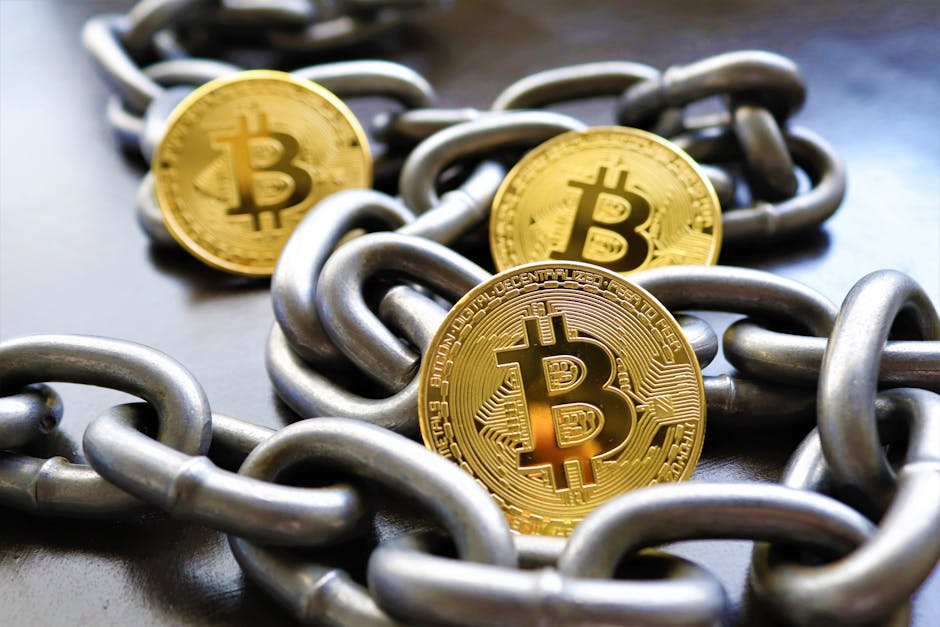
The SEC has approved NASDAQ's rule change for trading tokenized securities, creating new opportunities for blockchain and the XRP ecosystem.
The U.S. Securities and Exchange Commission (SEC) has made a groundbreaking decision by approving NASDAQ's proposal to enable trading of tokenized securities. This landmark ruling is poised to reshape the financial landscape by merging the efficiency of blockchain technology with traditional equity markets. Here's what this means, particularly for Ripple, the XRP Ledger, and the broader blockchain space.
SEC Approval for Tokenized Stocks on NASDAQ
The SEC's approval of NASDAQ's proposed rule change marks a pivotal moment for digital finance. It grants NASDAQ the ability to trade tokenized stocks and exchange-traded funds (ETFs) alongside traditional securities within the same trading infrastructure. This integration ensures that tokenized shares have equal execution priority and investor rights as their conventional counterparts.
One of the key benefits of this system is near-instantaneous settlement (T+0), rendering the days of waiting for trades to clear a relic of the past. Initially, trading will focus on major assets, including securities from the Russell 1000 index and ETFs that track the S&P 500 and NASDAQ 100. Each tokenized security will share its ticker symbol and unique identifier (QUIP) with its traditional version, ensuring they are fully fungible.
Implications for Ripple and XRP
This development holds significant potential for Ripple's XRP Ledger, even though XRP is not directly integrated into NASDAQ's tokenized trading system—for now. NASDAQ's model currently utilizes a permissioned blockchain operated by the Depository Trust & Clearing Corporation (DTCC). Yet, the SEC's embrace of blockchain-based securities could validate Ripple's long-term vision of an "Internet of Value."
Ripple could play a critical role in providing liquidity, payment rails, and forex services for the settlement of tokenized securities. In particular, Ripple leverages XRP as a bridge asset, and its institutional payment infrastructure is well-suited for dividend and coupon payments within tokenized markets. While Ripple and XRP are not directly part of NASDAQ’s current system, the regulatory momentum indicates broader possibilities ahead for blockchain-based settlement systems.
Key Takeaways from the DC Blockchain Summit
During the DC Blockchain Summit, industry leaders highlighted the importance of regulatory clarity in fostering innovation. Executives and policymakers discussed the Clarity Act, a pivotal piece of legislation aimed at structuring crypto market regulations in a way that ensures U.S. competitiveness in the global financial ecosystem.
A primary sticking point within the Clarity Act negotiations involves stablecoin yield. However, progress is being made, as lawmakers signal that the issue may be resolved within weeks. Bipartisan efforts, along with input from traditional financial stakeholders, aim to deliver a balanced framework that benefits banks, crypto firms, and decentralized finance (DeFi) platforms.
More notable announcements included:
- Coordinated guidance from the SEC and CFTC recognizing certain crypto assets, such as XRP, as commodities rather than securities.
- Designation of four clear asset categories: digital commodities, tools, collectibles, and stablecoins.
- A renewed focus on tokenizing traditional financial instruments, such as stocks, bonds, and treasury assets.
How Blockchain Technology Fits Into Broader Financial Markets
The approval for tokenized securities trading underscores the growing acceptance of blockchain technology within traditional market infrastructures. The inclusion of tokenized equities within the NASDAQ ecosystem creates a regulated environment, allowing industry players and regulators to observe the tangible benefits of blockchain settlement. These include reduced reconciliation errors, faster cross-border transactions, and lower operational risks.
Ripple, known for its advanced blockchain technology and partnership network, is already making strides in areas like Brazil's financial infrastructure. Ripple’s aim to tokenize Brazil’s federal treasury bonds, a market valued at over $1.5 trillion, showcases how blockchain can reshape legacy financial systems globally. As these initiatives gain traction, Ripple’s XRP Ledger remains a viable solution for international finance.
Challenges and Outlook
Despite recent progress, hurdles remain. DeFi regulation, in particular, continues to be a contentious issue due to the decentralized nature of these platforms. Policymakers are working to develop frameworks that balance innovation with oversight, but reaching consensus is proving difficult.
Both institutional and retail markets are paying close attention to these developments. Banks, which historically resisted blockchain-based solutions, are realizing they need to adopt this technology to remain competitive. Indeed, technological progress is inevitable, and those who adapt stand to gain the most. The SEC and CFTC’s coordinated efforts indicate that regulatory acceptance is accelerating, although the continuation of this progress depends on legislative support.
What This Means for the Future of Blockchain
The SEC’s move to allow tokenized assets facilitates a major shift in how financial markets operate. Ripple, XRP, and other blockchain solutions could further integrate into traditional markets as regulations evolve. While NASDAQ's tokenized system is currently limited to its permissioned blockchain, industry observers expect broader adoption of blockchain technology across other asset classes, including bonds, collateral, and the $4 trillion daily repo markets. Ripple’s partnerships with financial institutions worldwide position it to capitalize on these opportunities.
Frequently Asked Questions
What is the significance of the SEC’s approval of tokenized securities on NASDAQ? The SEC’s decision allows NASDAQ to integrate tokenized securities with traditional stocks and ETFs, providing faster settlement times and validation for blockchain-based financial systems.
Will XRP or Ripple benefit from this announcement? Although XRP is not directly part of NASDAQ’s blockchain infrastructure, Ripple’s vision aligns with the broader acceptance of tokenized markets. Ripple’s payment solutions may support tokenized flows in other financial sectors.
What is the Clarity Act? The Clarity Act seeks to implement a regulatory framework for cryptocurrencies and blockchain technology, ensuring U.S. competitiveness while addressing issues such as stablecoin yields and DeFi oversight.
How does tokenization improve financial markets? Tokenization reduces settlement times, minimizes errors, and lowers operational risks by utilizing blockchain’s efficiency. This allows for seamless trading and integration with existing financial systems.
Final Thoughts
The SEC’s approval of NASDAQ’s tokenized securities trading is a historic milestone for blockchain technology and financial markets. Ripple and XRP stand to benefit as these developments unfold, potentially transforming how payments, settlements, and trading occur. With the Clarity Act and other legislative efforts on the horizon, the financial landscape is slowly but surely shifting toward a blockchain-powered future.
Comments
Loading comments…


