Stock Market Drops Sharply After Jerome Powell's Remarks
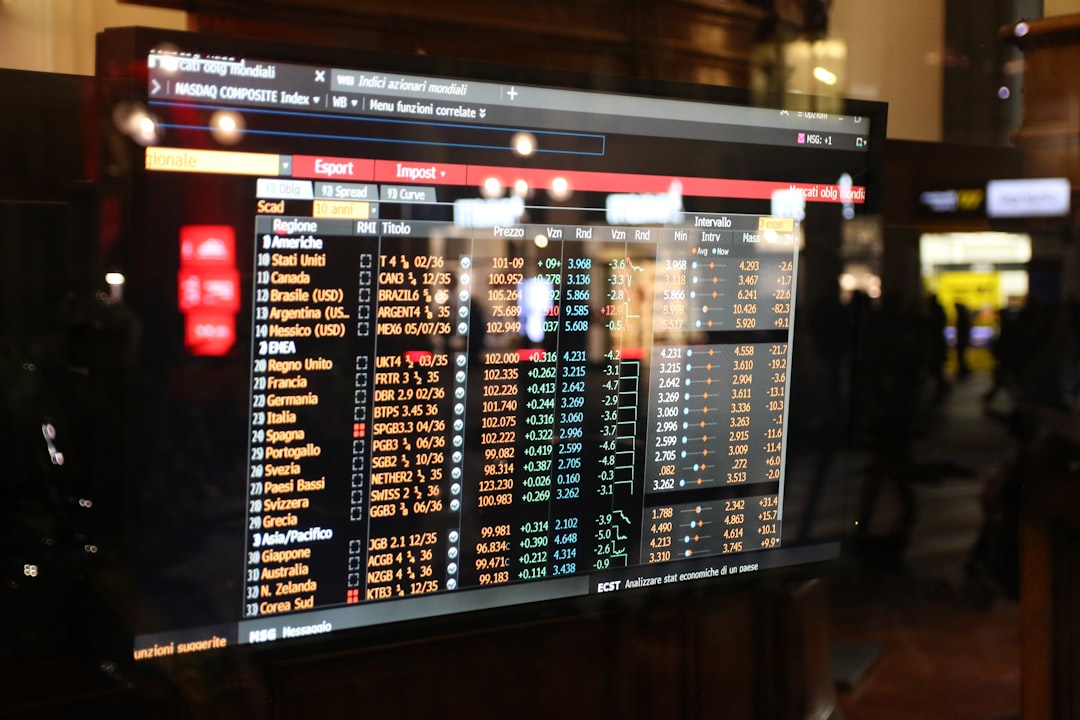
The stock market fell nearly 800 points after Fed Chair Jerome Powell highlighted uncertainty and energy price shocks amid a volatile economic climate.
The stock market faced a sharp decline on Wednesday, with the Dow Jones Industrial Average dropping nearly 800 points after Federal Reserve Chair Jerome Powell addressed economic uncertainty and energy price shocks during a press conference. The remarks came after the Federal Reserve decided to hold interest rates steady, reflecting concerns about sustained inflation and rising costs linked to the ongoing conflict in the Middle East.
PPI Report Sparks Early Selloff
The day started with optimism as stock futures pointed to a green opening. However, the release of the Producer Price Index (PPI) report, which showed higher-than-expected inflation, triggered a swift selloff. The PPI measures wholesale inflation and is a leading indicator for consumer prices. The hotter-than-anticipated data raised concerns about broader price pressures persisting in the economy.
The combination of rising inflation and cautious comments from Powell created a perfect storm for the markets. The energy price shock, largely influenced by surging oil prices stemming from the conflict in Iran, heightened investor anxiety. This led to a significant selloff in equities and volatility in the bond market.
The Federal Reserve's Stance
The Federal Reserve's decision to hold rates steady was widely anticipated, but Powell's comments about uncertainty and concerns over inflation rattled the markets. According to Dan Veron, an economic strategist, Powell's remarks reflected the challenges posed by rising energy costs and the ripple effects of the ongoing Iran conflict. "When the Federal Reserve Chair uses words like 'uncertain' and 'concerning,' it rarely bodes well for the market," Veron noted.
Powell's focus on energy prices and their impact on inflationary trends clarified why the central bank opted to pause rate hikes for now. Before the escalation of tensions in Iran, the U.S. economy was on a promising trajectory, with strong job growth, rising wages, and declining inflation. However, the conflict introduced new layers of volatility and uncertainty, complicating the Federal Reserve's decision-making process.
Labor Market and Inflation Concerns
Despite the market turbulence, there were some positive signs in the labor market. Veron pointed out that private-sector job growth, particularly from small businesses, remains strong. "Small businesses are critical for job creation and economic stability," Veron explained, emphasizing that their growth is a bright spot amid broader economic concerns.
Still, Powell's characterization of the February jobs report as "noise" highlights the difficulty of interpreting short-term labor market data during volatile periods. With the March jobs report due next month, Veron expressed optimism for stable to strong job growth. This could provide a measure of reassurance to investors if trends remain consistent.
The Iran Conflict’s Impact on Oil Prices
The ongoing conflict in Iran has severely disrupted global energy markets, with oil prices fluctuating dramatically. Earlier in the week, markets were buoyed by reports of progress in resolving the crisis, but the situation remains highly fluid. On Wednesday, oil prices spiked again following the release of the PPI report, exacerbating concerns over inflation.
"Historically, when a geopolitical conflict impacts energy prices, markets experience increased volatility," Veron said. He added that the duration of the Iran conflict would be a key factor in determining the Federal Reserve's next move. If the conflict drags on and energy prices continue to rise, the Fed may revisit the option of rate hikes to combat inflation. Conversely, a resolution could lead to a significant drop in oil prices and ease inflationary pressures.
Short-Term Market Outlook
For investors, the question is how long the market's reaction to Powell's remarks will last. Historically, the impact of Federal Reserve communications tends to resonate for a few days before the market stabilizes. The bond market's sharp movements on Wednesday, with short-term bond yields rising, suggest continued uncertainty in the days to come.
"We saw significant reverberations today in both the stock and bond markets," Veron said. "It's possible we'll see more of that on Thursday, but markets often reset by the end of the week."
Investors will now be watching closely for additional economic data and developments in the Iran conflict. Should geopolitical tensions ease, markets may recover some of their losses. However, continued uncertainty could keep volatility elevated.
Practical Takeaways for Investors
-
Monitor Oil Prices and Geopolitical Developments: The Iran conflict's impact on energy prices is a major driver of current market volatility. Stay informed about changes in the region.
-
Focus on Long-Term Fundamentals: While short-term market swings can be unnerving, maintaining a focus on long-term economic indicators like labor market stability can provide clarity.
-
Prepare for Bond Market Volatility: As investors react to mixed signals from the Federal Reserve and inflation data, bond yields may continue to experience sharp movements.
-
Watch for Updated Economic Data: The release of the March jobs report next month could offer new insights into the labor market and broader economic trends.
Conclusion
Wednesday's sharp market decline underscores the challenges posed by rising inflation and geopolitical uncertainty. With the Federal Reserve holding interest rates steady but signaling caution, investors are left to navigate an increasingly complex economic landscape. The next few weeks will be critical, as developments in the Iran conflict and upcoming economic data provide further guidance on the outlook for inflation, interest rates, and market stability.
Staff Writer
James covers financial markets, cryptocurrency, and economic policy.
Comments
Loading comments…


