Stock Market Insights: Key Takeaways from Mark Roussin's Latest Live Show
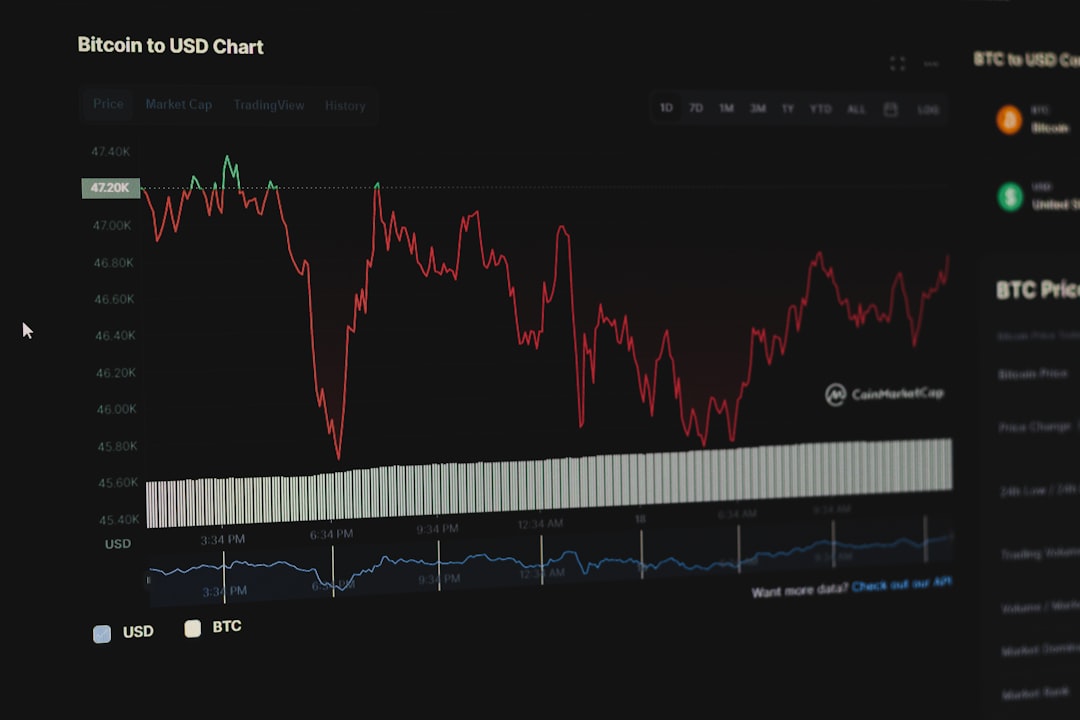
Mark Roussin evaluates recent market trends, discusses gold, sector performance, and key investment strategies in the face of uncertainty.
Mark Roussin's recent live episode of "After Hours" provided valuable insights into the current state of the stock market. With a sharp focus on sector performance, gold market conditions, and broader economic indicators, Roussin offered practical advice for navigating today’s volatile financial landscape. Let’s delve into his key takeaways and investment observations.
Stock Market Valuation: Are We Approaching a Correction?
Roussin highlighted that we’re not in a bear market or even a full correction yet. In his analysis, the S&P 500 is down approximately 6% from its all-time highs. He noted that while the broader indices have softened, valuations have come down for several high-quality companies, creating potential opportunities for long-term investors.
One of the primary metrics discussed was the S&P 500 valuation, currently sitting at 20.4 times earnings, compared to higher levels earlier in the year. For example, companies like Microsoft have seen their price-to-earnings ratios drop from 34 to the mid-20s, even while their earnings remain strong. “The same companies generating more money today are now cheaper,” he explained, emphasizing the cost-effectiveness of selective buying during dips.
Sector Breakdown: Defensive Stocks Gain Traction
Over the past three months, Roussin noted a distinct pattern in sector performance. Here's a look at what he observed:
| Sector | Performance (Last 3 Months) | Comment |
|---|---|---|
| Energy | Strong Gains | “Going haywire, in a good way” |
| Technology | In the Red | Cyclical and slowing |
| Health Care | In the Red | A defensive sector |
| Consumer Staples | Stable Growth | Attracting risk-averse investors |
| Financials | Struggling | Highly cyclical |
According to Roussin, big institutional money is now flowing into conservative sectors like utilities and consumer staples. These defensive investments tend to perform better when the market braces for economic uncertainty. On the flip side, cyclical sectors such as technology and discretionary spending are facing headwinds.
The Case for Gold: Current Headwinds and Opportunities
When discussing gold, Roussin addressed its recent downturn, noting that both spot gold prices and gold miner ETFs like GDX have dropped below their 50- and 100-day moving averages, signaling short-term bearish momentum. However, he pointed to the long-term support level at the 200-day moving average as a possible entry point for investors.
Why is gold under pressure? Roussin provided a nuanced explanation, citing international selling as a contributing factor. For example, countries historically known for gold buying, like China and other Asian nations, are now reallocating resources to purchase oil amid rising energy costs. Still, with the RSI (Relative Strength Index) for gold now below 30—a figure often indicating oversold conditions—opportunity may be around the corner for judicious investors.
Economic Indicators: Inflation Signals Creep Higher
Roussin analyzed the Producer Price Index (PPI) data, which tracks wholesale prices. The PPI registered a year-over-year growth of 3.4%, with core PPI (excluding food and energy) at 3.9%. This is a significant jump, reflecting potential inflationary pressure at the consumer level in the coming months.
The monthly PPI reading of 0.7%, according to Roussin, underscores accelerating inflation. He drew parallels to similar conditions in 2022, a challenging year for stocks, where inflation impacted corporate earnings and equity valuations.
Key Charts and Indicators: S&P 500 and 200-Day Moving Average
Looking at technical analysis, Roussin identified a bearish crossover in the S&P 500. This occurs when shorter-term moving averages fall below longer-term ones, pointing to potential continued downside. The yellow 50-day moving average broke below the red 200-day trendline, a signal suggesting more market weakness ahead.
Roussin reiterated, however, that the broader market decline has been orderly so far—far from a panic-driven sell-off. A disciplined approach remains paramount.
Long-Term Investing Advice: Quality Over Timing
One takeaway from Roussin’s session was his emphasis on focusing on high-quality stocks during periods of market volatility. For instance, he urged investors to seize opportunities when renowned companies like Alphabet or Nvidia trade at attractive valuations.
He reminded the audience that market corrections, and even bear markets, are natural cycles in long-term investing. “Think back to a year ago when Alphabet was trading at 17 times earnings,” he said. “These moments are the ones where disciplined investors can add growth opportunities to their portfolios.”
Practical Advice for Investors Right Now
Here’s a summary of recommendations based on Roussin’s analysis:
- Watch Valuation Trends: Companies with stable earnings but declining stock prices could offer long-term potential.
- Diversify into Defensive Sectors: Utilities and consumer staples may act as safer havens during uncertain times.
- Consider Gold on Pullbacks: While bearish technical signals dominate the short-term outlook, oversold indicators like the RSI suggest a potential reversal.
- Monitor Economic Data Closely: Keep an eye on inflation-related metrics like PPI and CPI for forward-looking clues on market mood.
- Plan Your Portfolio with Intent: If volatility feels overwhelming, revisit your investment strategy to ensure it aligns with your risk tolerance.
Final Thoughts
Navigating today’s markets requires a mix of patience, clear strategy, and the ability to tune out short-term noise. Roussin’s insights underscore the importance of identifying quality investments during temporary market declines—opportunities that often pay dividends for the long-term investor. While uncertainty always looms, a disciplined approach based on data and fundamentals can help weather the storm.
Comments
Loading comments…


