Stock Market Surges 4% Amid Trump’s Middle East Comments: Analysts Urge Caution
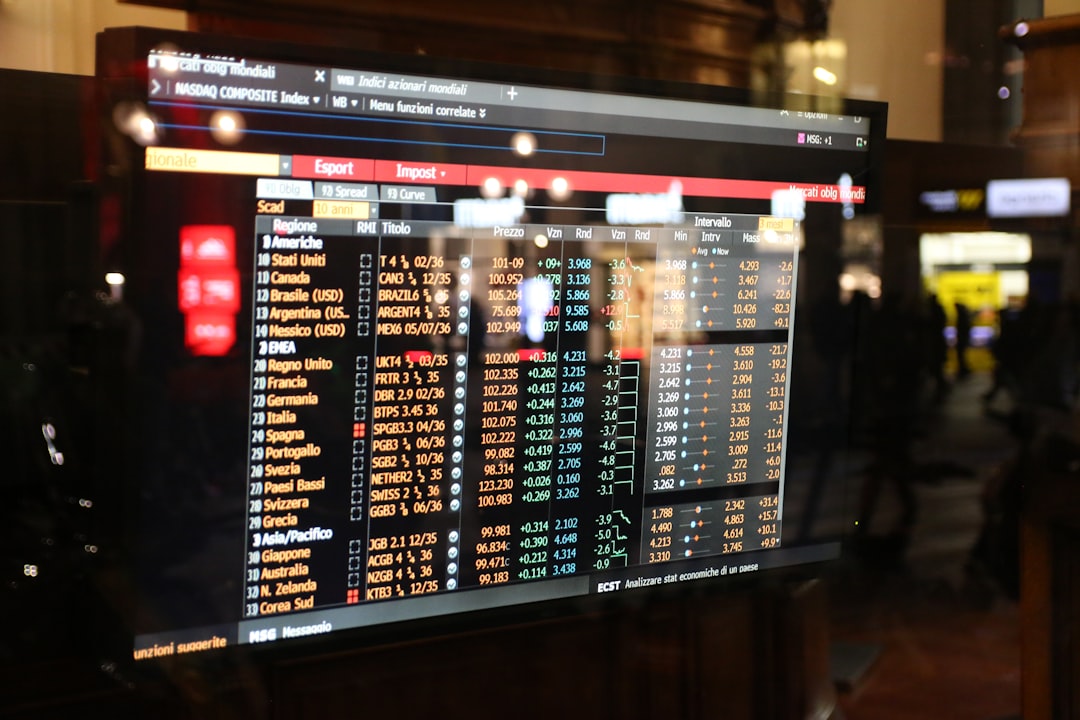
President Trump's recent comments about Middle East hostilities sparked a 4% surge in the S&P 500 before market volatility resumed. Analysts warn against emotional trading.
The financial markets witnessed significant fluctuations following breaking news from Donald Trump regarding hostilities in the Middle East. On March 23, the former president announced on Truth Social that the United States and Iran had engaged in "productive conversations" leading to a decision to postpone military strikes on Iranian power plants and infrastructure for a 5-day period. This news triggered a 4% surge in the S&P 500 within minutes, but the rally was short-lived as the market corrected later in the day, dropping by 1.5% from its peak.
Key Details of Trump’s Announcement
Trump stated that the United States and Iran had productive discussions over the last two days. Based on these conversations, he instructed the Department of War to halt planned military strikes for five days. This backtrack followed an earlier 48-hour ultimatum Trump had issued, which market observers and geopolitical analysts had questioned for its potential implications.
However, doubts remain about the legitimacy of these claims. According to Trump’s post, discussions with Iran were ongoing, but reports from mediators in Oman and Iranian officials indicated otherwise. With conflicting narratives, skepticism is high regarding the authenticity of the so-called "productive conversations."
The announcement temporarily eased fears of immediate military escalation, but geopolitical experts and market participants were quick to warn that the situation lacked clarity.
Market Reaction: S&P 500 Jumps, Then Corrects
The initial market response was an extraordinary 4% rise in the S&P 500 in just five minutes. Such a dramatic move indicated a combination of algorithm-driven trades and short squeezes. However, the rally lost momentum, and the index fell back by 1.5% shortly after the initial surge.
Key market indicators experienced similar volatility during the day:
- Oil prices: Dropped 10% initially, then recovered slightly to a 5% decline.
- Gold: Reacted inversely to equities, spiking temporarily before dropping again.
- Cryptocurrencies: Bitcoin and Ethereum saw gains during the initial rally but retraced later in the session. Bitcoin briefly crossed $72,000 but fell below $70,000 again.
- NASDAQ: Followed a similar pattern to the S&P 500, with an initial jump, followed by a decline.
This behavior is a textbook example of how market algorithms react to breaking news, followed by retail investors either FOMO-ing (Fear Of Missing Out) into trades or reassessing risk as sentiment cools.
Why Analysts Urge Caution
Market analysts repeatedly emphasized the importance of avoiding emotional trading amid such high volatility. Using historical patterns, they referenced Trump’s tendencies during his presidency to make bold statements that often changed within a short period.
“This isn’t the end of the war,” warned the presenter of a popular market-focused live stream. “Trump has a history of backtracking on his statements, and while this announcement briefly gave markets a reason to rally, it doesn’t provide solid ground for a long-term investment thesis.”
Some analysts even speculated that Trump’s statements might have been designed to manipulate market sentiment. Others focused on the broader concerns, such as the potential for inflationary pressures if oil prices remain unstable and the risk of escalation in Middle Eastern tensions.
Tips for Navigating Extreme Volatility
Whether you’re a short-term trader or a long-term investor, volatility like this requires a disciplined and structured approach. Here are actionable tips shared during the live stream:
For Long-Term Investors:
- Ignore the noise. Stick to your long-term strategy, which includes diversified portfolios and consistent contributions.
- Focus on buying dips during market corrections rather than chasing short-term rallies.
- Maintain a reserve of cash or liquid assets to capitalize on opportunities during periods of broader market pullbacks.
For Short-Term Traders:
- Manage your risk carefully by setting strict stop-loss orders to prevent significant losses.
- Analyze support and resistance levels to identify potential entry and exit points.
- Monitor the broader market sentiment and avoid emotionally driven trades.
General Guidelines:
- Avoid FOMO. Emotional reactions often lead to poor decision-making.
- Rely on well-researched data and diversify across asset classes to mitigate risk.
- Be prepared for all scenarios, including prolonged hostilities, sideways markets, or even an unexpected resolution of the crisis.
Looking Ahead: Resolution Unlikely in the Short Term
Despite Trump’s optimistic language, the financial markets and geopolitical analysts remain skeptical about a resolution to Middle Eastern hostilities within the next five days. Prediction markets currently estimate only a 15% chance of the conflict ending by April 15, rising to about 33% for the end of April and 50% for early May. This indicates that investors should brace for extended uncertainty and potentially more volatility.
Furthermore, the live stream host cautioned against solely trusting Trump’s statements, as there is conflicting information regarding whether negotiations with Iran are genuinely taking place. Whether the U.S. plans to escalate or resolve the situation remains uncertain, keeping geopolitical risk high.
Conclusion
Monday’s market moves highlight both the power and danger of reacting to breaking news, especially when it involves politically charged topics like international hostilities. The 4% surge in the S&P 500, while striking, quickly reversed as doubts grew over the credibility of Trump’s latest announcement.
For investors, this incident underscores the importance of having a clear plan and the discipline to stick to it. Long-term investors should maintain their focus on fundamentals, while traders should carefully manage risk and avoid chasing short-term gains driven by news algorithms.
In an environment where markets are increasingly driven by headlines, taking a cautious and calculated approach remains the best strategy.
Staff Writer
Priya writes about blockchain technology, DeFi, and digital currency regulation.
Comments
Loading comments…


