Stock Markets Close Near Session Lows Amid High Volatility
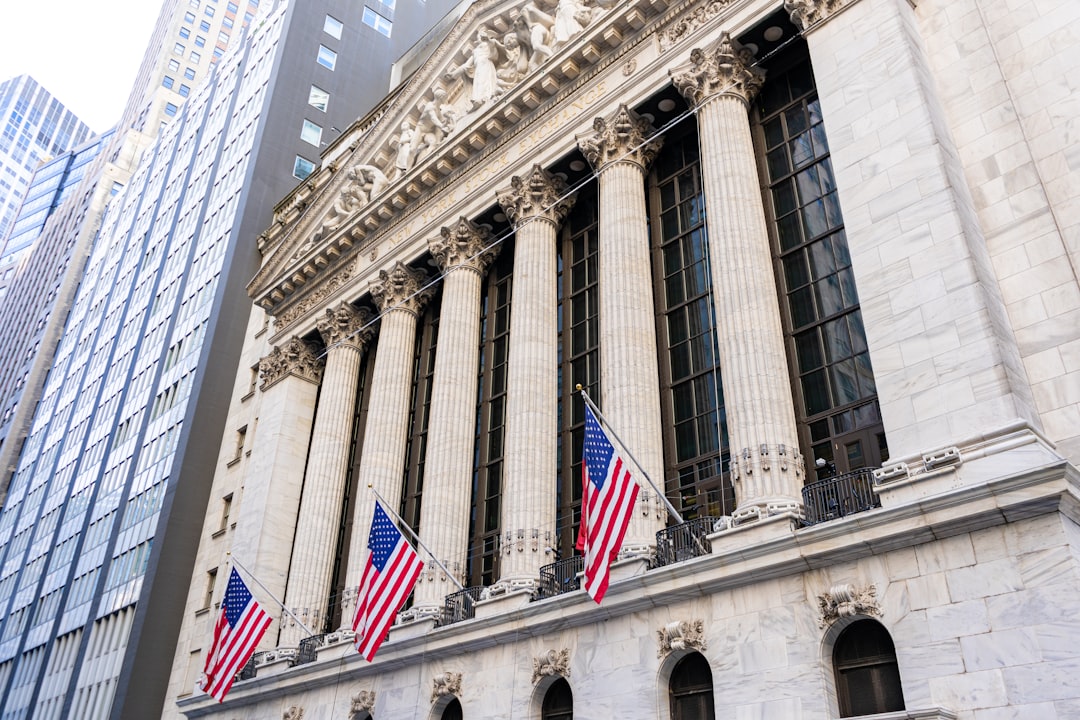
Markets closed near session lows with major indices dropping below key technical levels as volatility spiked, driven by Middle East tensions.
On an unusually volatile trading day, U.S. markets closed near session lows, with major indices falling below key technical levels. Concerns over escalating tensions in the Middle East and their impact on global markets were evident as risk-averse trading dominated the day. Let’s break down what influenced these dramatic market moves and where they leave investors heading into next week.
Major Index Performance Recap
The closing bell on Friday marked significant losses across major U.S. indices:
- Dow Jones Industrial Average: Down approximately 400 points, or 0.9%.
- S&P 500: Fell nearly 100 points, or 1.5%.
- Nasdaq Composite: Dropped over 400 points, a decline of 2%.
- Russell 2000: The most impacted, losing 2.3%, or roughly 56 points.
Investors watched closely as the S&P 500 closed below its 200-day moving average—a technical indicator not breached since April 2022—paired with a 14-day Relative Strength Index (RSI) indicating oversold conditions. Such factors magnify uncertainties about whether markets may stabilize or fall further in the coming sessions.
Energy and Oil Prices Dominate Headlines
Energy markets were sharply in focus, with WTI crude oil reaching $97 per barrel at one point before pulling back slightly. Brent crude surged to $112 before closing at $112. Despite being off their highs, both benchmarks gained over 2% for the day.
The unrest in the Middle East continues to disrupt supply chains and fuel concerns over oil exports from major hubs like Kharg Island. Traders were also wary of potential further disruptions to the global energy trade. Higher energy costs may exacerbate inflationary pressures that central banks, particularly the Federal Reserve, are closely monitoring.
Sector Highlights: Winners and Losers
While nine out of eleven S&P 500 sectors ended in the red, there were some bright spots:
- Winners: Financials and energy managed to finish marginally higher.
- Losers: Utilities and real estate were hit the hardest, declining over 4% and 3%, respectively. The tech sector also fell by more than 2%.
Despite the broader market weakness, a handful of individual stocks provided glimmers of optimism:
- FedEx (FDX): Gained 7.6% after the company raised its full-year profit forecast, citing the successful restructuring of its delivery network.
- Dell Technologies (DELL): Closed up 0.5% after surging more than 8% earlier in the day, benefiting from woes at competitor Supermicro.
- Applied Materials (AMAT): Ended the day up about 2%, inching back from its intraday peak of 7.8%, following an upgraded price target and optimistic analyst commentary.
A Closer Look at Decliners
Not all companies managed to escape unscathed:
- Supermicro (SMCI): Dropped over 3%, its worst day since October 2018, amid allegations of illegal exports to China. U.S. charges against the company’s co-founder raised uncertainties about Supermicro’s longer-term outlook.
- Swarmer: Shares of this drone software company plummeted 30% after surging nearly 1,000% in its first three days post-IPO, a stark reminder of speculative trading risks in defense-sector stocks.
Bond Markets Signal Shifting Sentiment
Investors seeking safe-haven assets faced an unusual scenario: bonds didn’t provide the cushion they typically do. Yields continued climbing, particularly on the shorter end of the curve:
- Two-Year Treasury Yield: Up 9 basis points for the day, and 17 basis points for the week.
- Ten-Year Treasury Yield: Rose 11 basis points, marking the third consecutive week of double-digit increases.
Bond market pricing reflects diminishing expectations for a Federal Reserve rate cut this year, with traders now projecting that the earliest rate reductions may not occur until 2026.
Dollar Strength Stands Out
One clear winner of the day was the U.S. dollar. The Bloomberg Dollar Index gained 0.5%, its first weekly advance since Federal Reserve Chair Jerome Powell’s recent comments. Hedge funds and speculators are flipping bullish on the dollar, anticipating higher interest rates extending into the coming years.
Middle East Tensions: The Underlying Factor
Global markets remained sensitive to geopolitical risks stemming from the conflict in the Middle East. President Biden’s comments earlier in the day offered little reassurance, as he ruled out the possibility of a ceasefire and hinted at further Congressional funding requests tied to the ongoing situation.
Concerns about disruptions to the Strait of Hormuz, a key chokepoint for global oil transportation, have intensified. Additionally, questions persist regarding potential U.S. military involvement and the broader economic fallout of escalating hostilities.
Practical Takeaways for Investors
Heading into next week, investors may want to consider the following:
- Monitor Energy Stocks: Volatility in oil prices can influence energy sector performance significantly.
- Technical Indicators: Key levels like the S&P 500's 200-day moving average and 14-day RSI are worth watching as signs of potential market rebounds or further declines.
- Geopolitical Developments: Stay updated on Middle East tensions, which could further influence both energy prices and broader market sentiment.
- Diversify Portfolios: Consider exposure to sectors like financials and high-performing defensive stocks amid broader market weakness.
Conclusion
Friday’s session reinforced the unpredictability of current markets, shaped by rising geopolitical tensions, shifting bond yields, and concerns about Federal Reserve policy. The S&P 500’s move below key technical levels adds another layer of uncertainty. While financials and energy managed to show resilience, broader losses across utilities, real estate, and tech underscore how fragile market sentiment remains. Investors will likely head into next week watching geopolitical developments and economic data for any signs of stabilization.
Stock market volatility and external shocks are driving short-term movements, but disciplined strategy and a close eye on technical indicators may offer investors a clearer path forward.
Staff Writer
James covers financial markets, cryptocurrency, and economic policy.
Comments
Loading comments…


