Stock markets show optimism amid news of potential Iran ceasefire
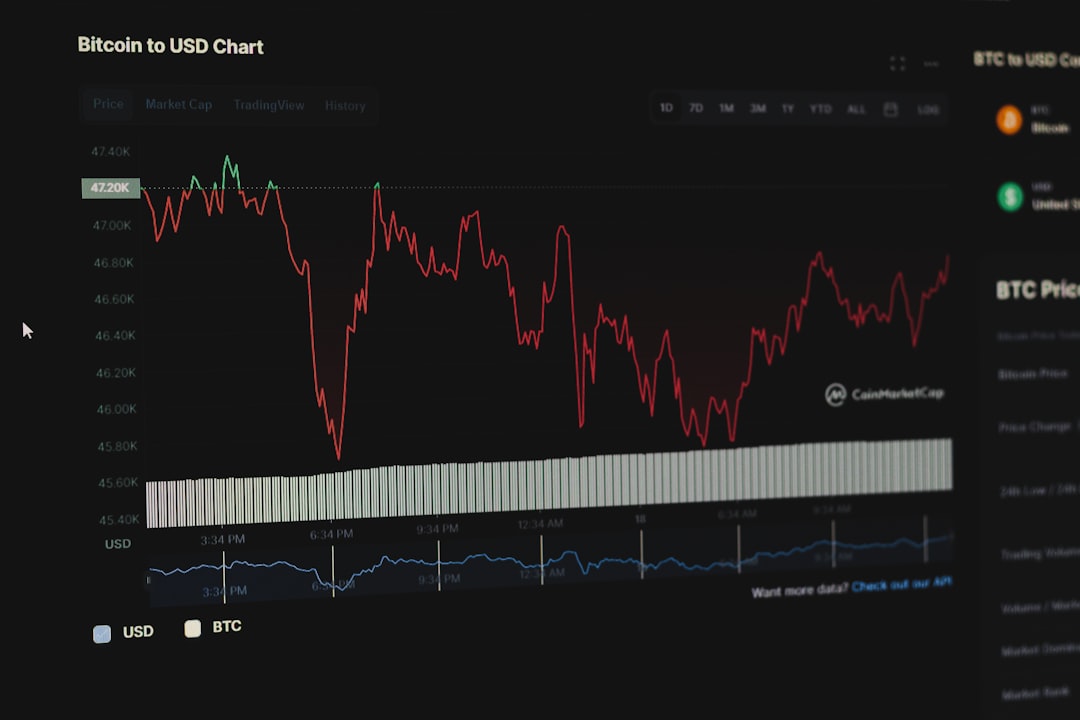
Stock futures rise 0.6% and oil prices drop 5% as news surfaces about a potential Iran ceasefire. Key factors include Fed policies and energy markets.
The stock market reacted positively to recent developments regarding the conflict with Iran, with futures climbing 0.6% and oil prices falling by 5%. Reports suggesting a potential month-long ceasefire between the United States and Iran appear to have bolstered market sentiment. However, the coming weeks may determine the broader economic ripple effects of the situation.
Key developments driving market reactions
As of the time of reporting, Israeli news outlet Channel 12 revealed that negotiations are underway for a 30-day ceasefire. According to the report, the United States proposed a 15-point plan to Iran that includes terms such as halting uranium enrichment. This diplomatic breakthrough is being framed as a move to de-escalate tensions, though a ceasefire has not yet been officially confirmed.
The markets rallied on the news, as reduced geopolitical tension could help stabilize energy prices and Fed interest rate strategies. The 10-year Treasury yield dropped 4.5 basis points, indicating market optimism for lower longer-term borrowing costs. However, analysts remain cautious, as various uncertainties linger around the durability of the agreement.
Oil and energy markets: Immediate and long-term impacts
Oil prices, a barometer for market volatility in conflicts involving Iran, saw a significant decline of 5%. This dip might indicate expectations of restored stability in the Middle East. Historically, tensions with Iran have caused sharp upward spikes in crude oil prices due to threats of supply disruptions in the Strait of Hormuz, one of the world's most critical oil shipping lanes.
Consumers also feel the impact of fluctuating oil markets. For instance, gasoline prices in Michigan leaped to $4.20 per gallon recently, sparking concerns about inflation. Higher gas prices affect consumer sentiment, impacting discretionary spending and broader economic growth, as roughly 70% of the economy hinges on consumer behavior. While the potential ceasefire could ease pressure on energy costs, the duration and geopolitical stability will dictate long-term effects.
Federal Reserve policy and inflation scenarios
The Fed’s actions in response to evolving market conditions have been a recurring theme. Before the current conflict, there were signs of a stabilizing U.S. economy, with inflation trends slowing and markets anticipating possible rate cuts. Treasury yields reflected this sentiment, as the 10-year yield briefly dipped below 4% earlier in the year.
However, the geopolitical shock reignited anxiety about prolonged high energy costs feeding into inflation. The yield on the two-year Treasury note also rose dramatically, reflecting investors' skepticism over immediate Federal Reserve rate cuts. As the situation de-escalates—or escalates—the Fed’s ability to act will remain a critical component shaping economic outcomes.
Investment strategy: What should retail investors watch?
Navigating investment strategies in periods of geopolitical instability requires a blend of caution and opportunism. Historically, buying during times of fear—a strategy often referred to as "buying the dip during crises"—has yielded solid returns. For instance:
- Technology and growth stocks are trading at valuations near decade lows, making them appealing for long-term investors anticipating eventual Fed rate cuts. These sectors, heavily affected during economic downturns, have significant growth potential in a low-rate, moderately expanding economy.
- Defensive sectors, including utilities, basic materials, and consumer staples, have outperformed during the last few months of market uncertainty. However, these may underperform in the months ahead if economic growth stabilizes.
- Real estate may benefit from declining interest rates if the Fed pivots to lower rates, making it an attractive area of focus for investors sensitive to borrowing costs.
Market performance across sectors
The disparity among market sectors has been unprecedented:
| Sector | Performance (Last 3 months) | Notes |
|---|---|---|
| Energy | +38% | Driven by Middle East volatility |
| Basic Materials | +15% | Strength in commodities |
| Utilities | +8% | A safe haven during uncertainty |
| Real Estate | -3% | Rates on the rise hurt valuation |
| Technology | -5% | Lagging amid recession risks |
| Financials | -8% | Volatile in high-rate environments |
| Consumer Cyclicals | -11% | Reflecting diminished consumer spending |
An ongoing ceasefire or the failure of negotiations will significantly affect how sectors perform. For example, technology and growth stocks are likely to lead recovery if geopolitical tensions ease and energy prices stabilize. On the other hand, the energy sector may see declines as oil prices adjust downward.
Broader implications for the economy
While oil prices capture immediate reactions to Iranian developments, the broader economic question revolves around the U.S. growth trajectory. Current GDP growth estimates suggest a slowdown to approximately 1%-1.5% in 2024. This slower growth environment is typically favorable for growth stocks, especially alongside anticipated rate cuts. However, a protracted conflict with Iran could reignite inflationary pressures, complicating the Federal Reserve’s decision-making process.
A more stable oil market will likely rekindle expectations for Fed rate reductions, which would benefit heavily leveraged sectors like real estate and tech. Conversely, prolonged uncertainty would likely sustain the divide across sectors, reinforcing high performance in defensive industries while limiting growth potential in others.
Recap and expectations
The possibility of a 30-day ceasefire presents a turning point for both the U.S. economy and the stock market. As of the latest reports, there’s a roughly 75% chance that an agreement will materialize, though no official declaration has been made. If confirmed, investors could see broader market optimism, lower energy prices, and Federal Reserve sentiment leaning toward rate cuts in the months ahead. These factors collectively create a primarily bullish case for sectors like technology and growth-driven stocks, which have lagged during recent volatility.
Uncertainties remain, including whether Iran and the U.S. can effectively finalize a deal, as well as the durability of lowered oil prices. For now, markets remain reactive to short-term geopolitical headlines, placing strategic long-term positioning at the forefront of investment priorities.
Staff Writer
Priya writes about blockchain technology, DeFi, and digital currency regulation.
Comments
Loading comments…


