Stocks Rise Amid Iran Talks Rumors: What It Means for Traders
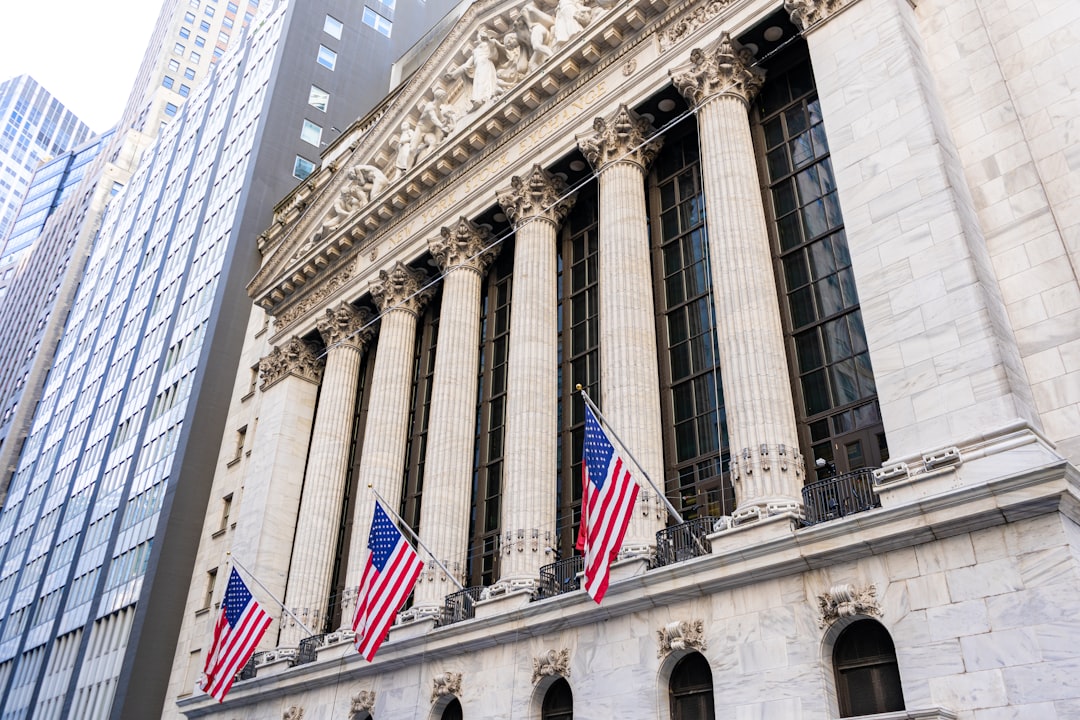
Stock markets surged on reports of U.S.-Iran talks, sparking debate about oil, yields, and strategic investments.
The stock market experienced a notable rally this week, fueled by reports of potential talks between the United States and Iran. While the exact details surrounding these discussions remain murky, the market’s response has been swift and significant. Traders and investors alike are analyzing key economic indicators, oil price impacts, and broader market dynamics to determine their next moves.
Stock Surge Fueled by Speculation
Major market indices posted substantial gains amid rumors of U.S.-Iran negotiations. The excitement began when several reports suggested that the two nations engaged in high-level discussions, potentially signaling de-escalation in geopolitical tensions. However, skepticism remains. Iran’s parliamentary speaker quickly dismissed some of these claims as "fake news," adding that they were attempts to manipulate oil markets.
Despite these denials, the U.S. administration has maintained that productive talks took place. Comments from President Joe Biden suggest that progress was made, noting an intention to "make a deal" with the Iranians. Optimistic industry sentiments have contributed to the market rally, with a focus on sectors most impacted by oil prices.
The Role of the 200-Day Moving Average
For technical traders, the 200-day moving average continues to be a critical marker. According to Joe Terranova, one of the investment committee panelists, systematic trend-following funds often use this average as a signal to adjust positions. "Closing below the 200-day moving average for three days shifts the overall market bias," he explained. Historically, such occurrences have resulted in varying outcomes. For example:
- In April 2022: 149 days were spent below the 200-day average, leading to a 20% market drop.
- In other cases: Short-term closures below this level prompted limited sell-offs followed by recovery.
While current market trends indicate the potential for rebound, investors remain cautious. Many believe that the direction taken over the next few trading days will provide clearer insights into broader market trajectories.
Oil Prices and Inflation Concerns
Oil plays a central role in current market conditions. The price of crude has hovered in the $80-$90 per barrel range, raising concerns about its impact on global manufacturing costs. "Petrochemicals and hydrocarbons are components in 95% of manufactured goods," noted panelist Brynn Talkington. High oil prices could drive up prices for goods globally, affecting inflation metrics and consumer confidence.
Jim Lebenthal, another member of the panel, highlighted parallels to previous market shocks, such as those sparked by tariff disputes or COVID-19. He argued that traders should remain opportunistic, particularly in sectors like consumer discretionary, which could recover strongly as oil prices stabilize.
Investment Strategies for Uncertain Times
Several investment approaches were discussed during the session, offering concrete strategies for navigating current market conditions:
Look for Undervalued Stocks
Stephanie Link emphasized the importance of focusing on "big blue-chip quality companies" during periods of uncertainty. She noted that oversold conditions often present an opportunity for investors to acquire strong companies at attractive valuations. Her sentiment was echoed by others, who advised against waiting for all uncertainties to clear, as the market often rebounds before full clarity is achieved.
Consider Consumer Discretionary Stocks
Lebenthal pointed out that stocks in consumer discretionary sectors, such as online marketplaces and travel-related businesses, could benefit as oil prices and overall inflation ease. As an example, he mentioned purchasing eBay as a targeted play. "It appeals to both sides of the K-shaped economy," he explained, referencing the platform's wide range of luxury and affordable goods. Additionally, eBay’s growing collectibles segment and strong cash flow make it an attractive option.
Monitor Bond Yields Closely
The movement of bond yields remains critical. Rising yields have put pressure on equities, particularly in growth sectors. However, if yields stabilize or decline, it could provide a tailwind for the broader market. Talkington highlighted the 10-year Treasury yield, pointing out that staying below levels like 4.5% is crucial for investor confidence.
Similarities to Liberation Day
The panel touched on the historical similarities between today’s market environment and "Liberation Day," referring to prior events when geopolitical risks led to pronounced stock market moves. Much like those instances, today’s rally is driven as much by sentiment as by fundamentals. While short-lived, these surges often open up opportunities for savvy investors to reposition portfolios.
"History doesn’t repeat, but it rhymes," Lebenthal remarked, advising long-term investors to remain patient while continuing to monitor oil, yields, and geopolitical developments.
What’s Next for Traders?
Several key factors will determine the market’s next steps:
- Iran-U.S. Talks: Clarity on whether real progress is being made could shift sentiment sharply.
- Oil Prices: Sustained high prices will keep inflationary pressures elevated, impacting consumer-facing sectors.
- 200-Day Moving Average: Traders will be eyeing the ability of major indices to recover above this crucial trendline.
Given these dynamics, panelists recommended a balanced approach, favoring high-quality companies while avoiding overcommitment to riskier trades.
Final Thoughts
The stock market’s rally on the back of U.S.-Iran rumors underscores the interconnectedness of geopolitics and financial markets. As the situation evolves, traders and investors will need to balance short-term headlines with longer-term economic indicators. By focusing on undervalued opportunities, monitoring technical levels, and staying alert to global developments, investors can position themselves for potential advantages even in these uncertain times.
Staff Writer
James covers financial markets, cryptocurrency, and economic policy.
Comments
Loading comments…


