Stocks Surge As Trump Temporarily Halts Iran Strikes
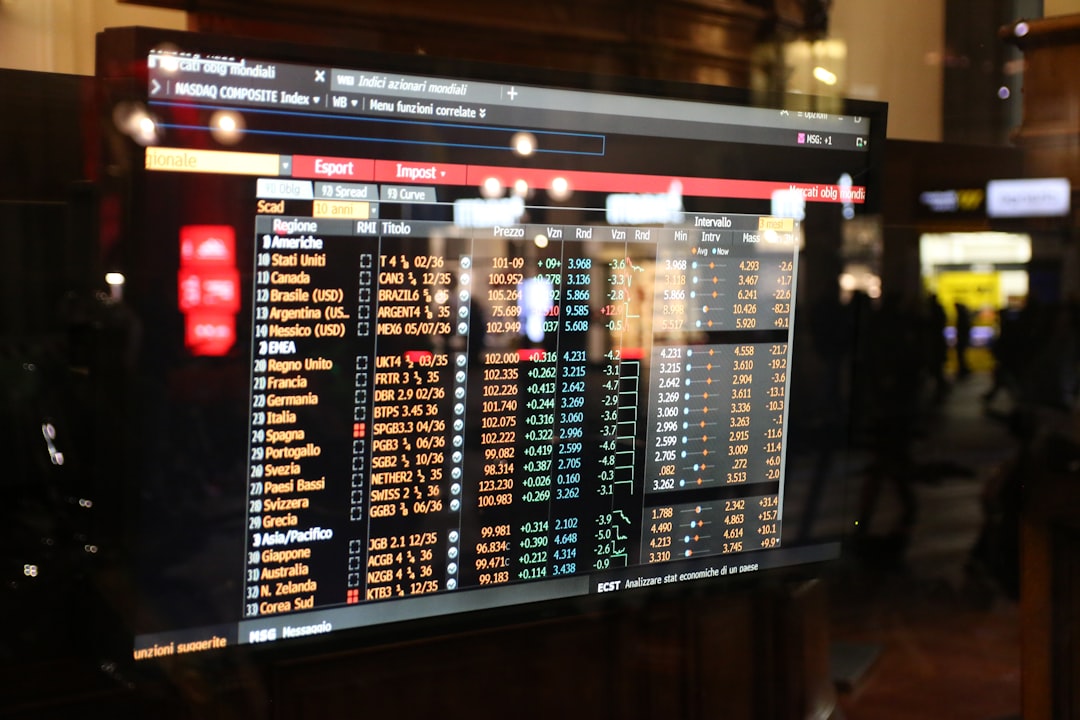
Markets reacted strongly to Trump's announcement of a five-day halt on Iran military actions, with stocks and oil prices showing significant movement.
The stock market experienced significant gains after former President Donald Trump announced a five-day halt on military actions against Iran. On Truth Social, Trump stated that recent discussions between the U.S. and Iranian officials had been "productive," leading to the temporary postponement of military strikes on Iranian energy infrastructure. This news was enough to send Dow, S&P, and NASDAQ futures up over 2% early Monday. Russell 2000 futures climbed even higher, marking a 3% increase.
While the market reacted favorably, experts caution that the rally may be short-lived due to ongoing skepticism regarding the Middle East situation and its broader economic implications.
Stock Market Overview
U.S. stock futures spiked almost immediately after Trump’s Truth Social announcement. Here’s how the futures markets fared as trading approached:
- Dow Futures: Up over 2%
- S&P Futures: Up over 2%
- NASDAQ Futures: Up over 2%
- Russell 2000 Futures: Up 3%
This reaction reflects growing investor optimism, at least in the short term, about de-escalation in the Middle East. However, Josh Schaefer from Barron’s noted that market movements based on headlines like this are inherently volatile. Without confirmation from other stakeholders such as Iran and Israel, the sustainability of this optimism remains questionable.
"Investors are hesitant to buy with conviction," Schaefer explained. "Many are waiting for more updates before making sizable investments."
Oil Prices React to Military Developments
Oil prices, heavily influenced by geopolitical events, fluctuated significantly as well. The price of WTI crude oil dropped below $90 per barrel, down from $93 earlier. Brent crude similarly hovered around $100, reflecting market uncertainty about long-term supply.
Key data:
- WTI Crude Oil: Fell below $90 per barrel
- Brent Crude Oil: Stabilized near $100 per barrel
Trump’s announcement named Jared Kushner and Steve Mnuchin as U.S. liaisons during recent discussions with Iran. While reassuring in the short term, the markets are acutely aware that oil prices remain sensitive to further escalations in the region.
"The price of oil has been directly tied to physical strikes, not just political promises," Miles Oland from Yahoo Finance pointed out. "Headlines alone won’t sustain these movements without material changes on the ground."
Lack of Conviction in the Market
Despite the initial euphoria, broader investor sentiment remains cautious. Last week, the S&P 500 closed below its 200-day moving average, a technical trend considered by many as a potential bearish signal. This drop, combined with four straight weeks of declines, underscores a challenging environment for traders.
Key technical indicators:
- 200-Day Moving Average (S&P 500): 6621
- Friday’s Closing Level: 6506 (below the moving average)
Doug Bush, a technical analyst at Barron’s Investor Circle, pointed to the significance of the 6,500 level on the S&P 500, calling it a "triple bottom." Breaching this level could foreshadow further downward movement, he warned.
Impact on Specific Sectors
Several stocks historically considered defensive or "safe bets" took hits last week, indicating shifts in investor sentiment:
- Pepsi: Down after previously gaining 5% year-to-date
- McDonald’s: Declines attributed to low-income consumer pressures
- Home Depot: Struggling due to interest rate and housing market concerns
- Procter & Gamble: Reflects consumer hesitation toward premium household staples
- Walmart: Part of broader declines among long-time market leaders
These declines indicate a less constructive environment overall, as even stalwarts in the market face challenges amid growing geopolitical and economic uncertainties.
Bond Market Stability
Interestingly, bond prices remained relatively stable despite the headlines. The 10-year Treasury yield dipped slightly by three basis points, reflecting muted movement compared to the stock and oil markets. However, Schaefer noted that the bond market showed significant volatility last week, largely due to Federal Reserve discussions and recalibrations of rate hike expectations.
This general lack of movement suggests a "wait and see" approach among fixed-income investors, who are more focused on economic fundamentals than momentary geopolitical shifts.
What’s Next?
Moving forward, the market will continue to monitor developments in the Middle East, particularly around the flow of oil through critical checkpoints like the Strait of Hormuz. Goldman Sachs recently adjusted its oil forecast, citing expectations that flow will improve incrementally but not overnight. Even if progress is made, it may take weeks to assess the broader economic impact fully.
Additionally, the Federal Reserve has indicated a hawkish stance, raising questions about the availability of fiscal or monetary policy backstops should further turbulence arise. Market participants have fewer "safety nets" to rely on, making geopolitical stability all the more critical.
Takeaways for Investors
- Trade cautiously: Short-term rallies may not last, given unresolved tensions in the Middle East.
- Watch technical indicators: Breaching key levels like the S&P 500’s 200-day moving average could signal broader trends.
- Stay informed on oil prices: Geopolitical developments could further impact crude supply and energy stocks.
- Monitor the bond market: Stability in Treasury yields points to investor apprehension about making bold moves.
Conclusion
While Trump’s announcement provided a temporary boost to market sentiment, the overall environment remains fraught with uncertainty. The rally in futures underscores investor optimism in potential conflict resolution but highlights the volatility of headline-driven markets. Without concrete developments to stabilize the region and ensure oil supply flow, this optimism may quickly fade, leaving investors grappling with lingering economic risks.
Markets are now bracing for a week of potentially dramatic headlines, making cautious trading and a focus on fundamentals more critical than ever.
Comments
Loading comments…


