Stocks Tumble After Powell's Remarks: What Investors Need to Know
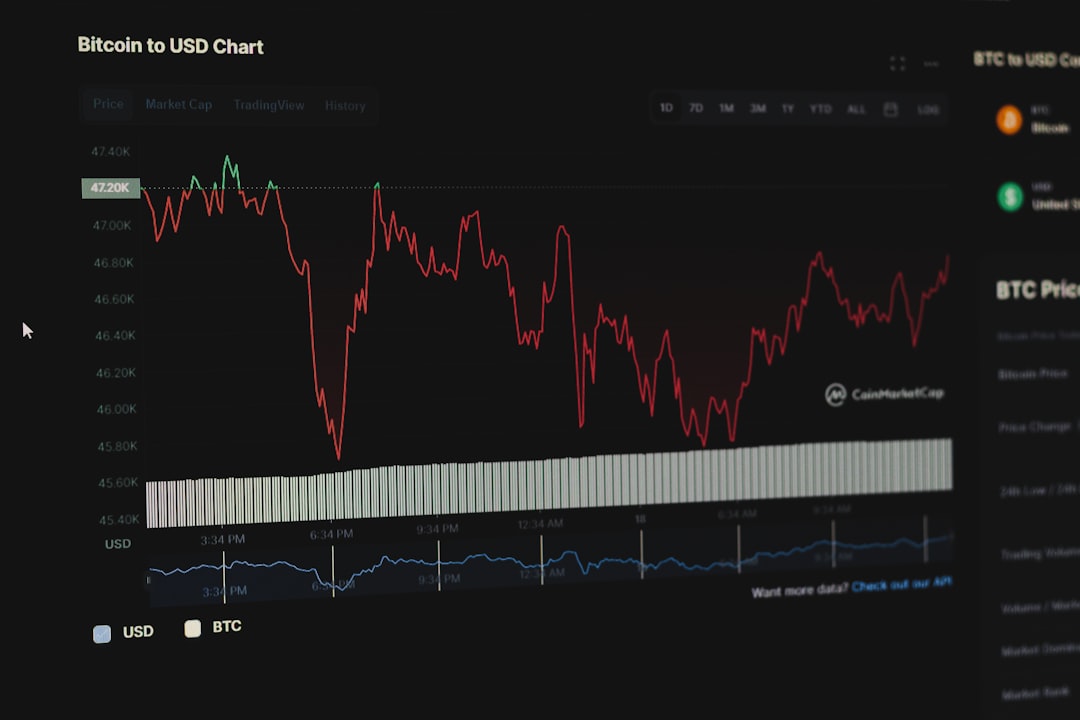
Stocks fell sharply following Jerome Powell's latest statements. Here’s what he said about interest rates, inflation, and what it means for the markets.
Stocks Plunge Post-Federal Reserve Meeting
The stock market took a major hit after Federal Reserve Chair Jerome Powell's recent remarks. Stocks began selling off early and the decline accelerated after 2:00 p.m. EST when Powell's comments were released. Investors were left wondering why the markets reacted so dramatically to a meeting that, on the surface, didn’t seem to bring major surprises. Let’s break down exactly what Powell said and the key factors that contributed to this decline.
Powell Keeps Rates Steady but Emphasizes Hawkish Stance
At the center of the market reaction was the Federal Reserve’s latest decision to hold interest rates steady. However, Powell’s forward-looking language unsettled investors. The Fed indicated that rate cuts are conditional on consistent progress toward lower inflation, a stark reminder that monetary easing is not guaranteed.
Key highlights from Powell’s statements include:
- Current Rate Levels: No immediate rate hikes were announced, and projections held steady with rates expected to remain unchanged for the rest of the year.
- Rate Cuts: Powell clarified that cuts would only occur if substantial progress on inflation is made. Without meaningful disinflation, reduction in rates isn't likely.
- Hawkish Sentiment: Four out of five Federal Open Market Committee (FOMC) participants shifted their projections, adding to the hawkish tone. This essentially means the Fed remains cautious about prematurely easing monetary policies.
Why Did Markets React This Way?
Despite no rate adjustments, Powell’s hawkish undertones shifted market sentiment. Historically, markets tend to bounce back after a sell-off triggered by Fed comments, but this time, both the initial drop and subsequent reactions were bearish. Here are the primary contributing factors:
Rate Hike Possibilities Are Still on the Table
Even though the Fed did not execute an immediate hike, the possibility of future rate increases was explicitly discussed. While a majority of the committee viewed further hikes as unnecessary, leaving the door open was enough to spook investors.
Inflation and Stagflation Concerns Persist
Inflation remains a significant concern. Core Personal Consumption Expenditure (PCE) inflation sits at 3.0%, while headline inflation measures at 2.8%. Powell also alluded to tariffs being responsible for over half of the core PCE. Near-term inflation expectations jumped, driven by high fuel costs which influence consumer perceptions of future pricing.
External Risks Add to Uncertainty
The ongoing Middle East tensions were also noted as a key external risk. With oil prices tied to geopolitical stability, any escalation in the region could further upset inflation forecasts and economic growth. Powell highlighted that these variables add uncertainty to the broader economic outlook.
Examining the Charts: Short, Medium, and Long-term Bearish Signals
Looking closer at the S&P 500, bearish indicators dominate across multiple time frames. Here’s a breakdown of market signals:
| Time Frame | Bearish Signal | Commentary |
|---|---|---|
| 1-Day | Due within one candle | Short-term indicators suggest further downside. |
| 1-Week | Still under pressure | Weekly signals have not stabilized yet. |
| Monthly | Support levels breached | Long-term bearish momentum intensifies. |
The market currently faces resistance at several key levels, and breaches of the 200-day moving average suggest further declines could be imminent. Powell’s comments that disinflation in May and June data are critical to shaping the Fed's trajectory align with these bearish patterns.
What Investors Should Do Now
With the bears in control, Powell’s remarks offer critical guidance for planning investment decisions. Here’s a succinct course of action:
- Exercise Patience: Avoid acting on market noise. Focus on developing a clear trading or investment plan.
- Wait for Confirmation: Bearish trends could continue, but sudden reversals are always a possibility. Wait for clear signals before entering new positions.
- Track Key Data Points: Watch May and June inflation data closely as they will largely determine whether rates stay steady or begin to decline.
- Prepare for Worst-case Scenarios: Powell suggested that a rate cut could be delayed further than the market currently anticipates. Investors should brace for prolonged market weakness if inflation persists.
Long-term Implications
While Powell’s current stance prioritizes inflation control, rising long-term economic growth projections from 1.8% to 2.0% reflect optimism about productivity gains. However, labor markets, while stable, do not appear to be the Fed’s central preoccupation. Inflation remains the primary focus and is the linchpin for any potential policy shifts.
Frequently Asked Questions
Why did stocks crash after Powell’s remarks?
The markets sold off after Powell reiterated the Federal Reserve’s hawkish stance on interest rates. The possibility of future rate hikes and delayed rate cuts created uncertainty and spooked investors.
What did Powell say about rate cuts?
Powell emphasized that rate cuts are conditional on visible, consistent disinflation beginning mid-year. Without clear progress, rate cuts will not occur.
How does inflation affect the stock market?
Higher inflation can hurt corporate profits and reduce consumer spending, leading to lower stock valuations. Persistent inflation also increases the likelihood of further rate hikes, which can depress markets further.
What’s the next major market event to monitor?
Investors should carefully observe disinflation data in May and June. Powell himself indicated this data will shape the Federal Reserve’s rate policy.
Final Thoughts
Jerome Powell’s recent comments have placed the Federal Reserve and the broader economy at a crossroads. With inflation persisting and external risks looming, the Fed is treading carefully. The sell-off in the stock market highlights investors’ heightened sensitivity to any hawkish signals, even when immediate rate hikes are ruled out. As Powell continues to “buy time,” investors must adapt by focusing on actionable data and avoiding emotional decision-making. The key takeaway for traders and long-term investors alike: patience and preparation are crucial in the face of an uncertain market.
Staff Writer
James covers financial markets, cryptocurrency, and economic policy.
Comments
Loading comments…


