The 1973 Oil Crisis and Its Parallels with Today’s Energy Disruption
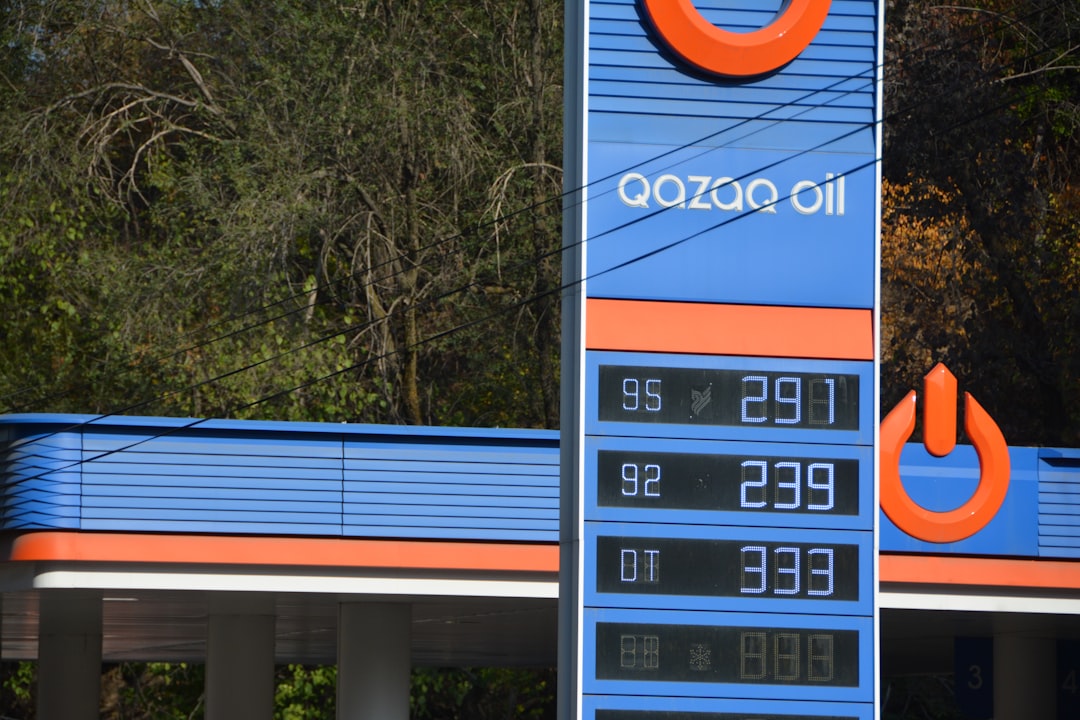
The ongoing energy crisis echoes the 1973 oil embargo, affecting global markets and economies. Discover the lessons and implications for 2026.
In times of market uncertainty, many investors draw comparisons to historical events that shaped the global economy. Recently, stock markets around the world have experienced heightened volatility, fueled partly by escalating crude oil prices exceeding $100 per barrel. This situation has drawn parallels to the 1973 oil crisis, a pivotal moment that disrupted global markets and economies—offering crucial lessons for today’s energy challenges.
A Look Back: The 1973 Oil Crisis
The 1973 oil crisis was ignited by geopolitical tensions during the Yom Kippur War. On October 6, 1973, Egypt and Syria launched an attack on Israel during the Jewish holiday of Yom Kippur. Initially, the Arab forces gained ground, but U.S. military aid, amounting to $2.2 billion, helped Israel recover. This U.S. intervention angered Arab nations, leading members of the Organization of the Petroleum Exporting Countries (OPEC) to use oil as a political weapon.
OPEC imposed an oil embargo on nations supporting Israel, including the United States and the Netherlands. Saudi Arabia, under King Faisal, curtailed oil production by 5%, escalating the crisis further. The embargo caused widespread disruptions in oil supply, leading to fuel shortages in the U.S. and Europe. American motorists endured long lines at gas stations, and the government introduced energy-conservation measures such as reducing speed limits, limiting festive lighting, and installing solar panels on the White House.
The financial fallout was severe. Inflation soared, interest rates rose, and markets tumbled. U.S. stocks, including once-stable companies classified under the "Nifty Fifty," suffered catastrophic declines of up to 90%. Polaroid, Xerox, and IBM were among the hard-hit corporations, marking the collapse of an era of "buy-and-hold" blue-chip investments.
The Current Energy Disruption in 2026
Fast forward to 2026, and the world faces another energy-related crisis, albeit under different circumstances. Geopolitical tensions between Iran, the U.S., and Israel have disrupted the Strait of Hormuz, a critical maritime route through which 20% of the world’s crude oil and 19% of liquefied natural gas (LNG) are transported. The logistical blockade has hampered oil supply globally, pushing crude prices into triple digits.
The International Energy Agency (IEA) has labeled this supply disruption as one of the most significant in history. Unlike 1973’s embargo-driven crisis, today’s challenge stems from physical blockades and military tensions. As a result, transportation costs are climbing sharply, impacting goods delivery and fueling inflation across economies heavily reliant on energy imports, particularly India.
Impact on Global Markets
The ripple effects of soaring oil prices are evident in stock markets worldwide. In India, where energy imports account for a significant portion of the economy, rising crude prices have increased transportation and production costs. Higher costs ultimately translate to higher consumer prices, spurring inflation while dampening corporate profits. Consequently, indices such as India’s Nifty 50 have been on a downward spiral, reflecting investor concerns about prolonged economic sluggishness.
In the U.S., AI-driven tech stocks, collectively referred to as the "Magnificent Seven," have shown resilience so far. However, experts are warning of a potential bubble similar to the Nifty Fifty debacle of the 1970s. If rising energy costs lead central banks to hike interest rates further, a market correction may be inevitable.
Key Differences Between 1973 and 2026
While uncanny similarities exist between 1973 and 2026, there are notable differences that shape the outcomes of such crises today:
-
Strategic Petroleum Reserves (SPR): Unlike in 1973, global reserves today are better equipped to handle emergency situations. For instance, the IEA has authorized the release of 400 million barrels to stabilize the market, which could offer short-term relief.
-
Diversified Economies: The 1970s economy was heavily reliant on oil, particularly in energy and transportation. Today, tech and service sectors provide alternative growth avenues, reducing some dependency on crude oil prices.
-
Green Energy Transition: The lessons of the 1973 oil crisis spurred advancements in renewable energy, laying the groundwork for the current rise in solar, wind, and electric vehicles. These alternatives are gradually reducing the monopoly of oil and other fossil fuels.
How Prepared Are We?
Renewable energy and technology are increasingly vital to global energy strategies. Solar parks, wind farms, and electric vehicle adoption have seen a significant surge, particularly in India and the U.S. Large players such as Adani are investing heavily in renewable energy projects, aiming to transition economies away from oil. However, these measures are long-term, and immediate solutions remain elusive as countries scramble to manage oil shortages.
Lessons for Investors
A significant takeaway from these crises is the importance of diversifying investments and preparing for economic volatility. For long-term investors, market downturns present opportunities to buy undervalued stocks. ETFs in renewable energy, for instance, could be lucrative as the world pivots toward sustainability.
Moreover, high-frequency trading platforms such as the "Sahi" platform (mentioned in the reviewed video) offer advanced tools for managing trades in volatile conditions. These include single-screen execution, lower transaction fees, and access to real-time analytics.
Conclusion
Both the 1973 oil crisis and today’s 2026 energy disruption underscore the global economy’s vulnerability to geopolitical tensions and resource dependency. While history may not repeat itself exactly, the lessons learned emphasize the need for strategic diversification, renewable energy investments, and robust reserve management to mitigate future shocks.
The stock market’s short-term volatility, driven by spiking crude prices, mirrors past patterns but also reveals opportunities for forward-thinking investors. As the world gradually shifts toward green alternatives, the oil-driven economic model may continue to lose its dominance in the years to come.
Comments
Loading comments…


