The chemical crisis threatening global manufacturing and inflation control
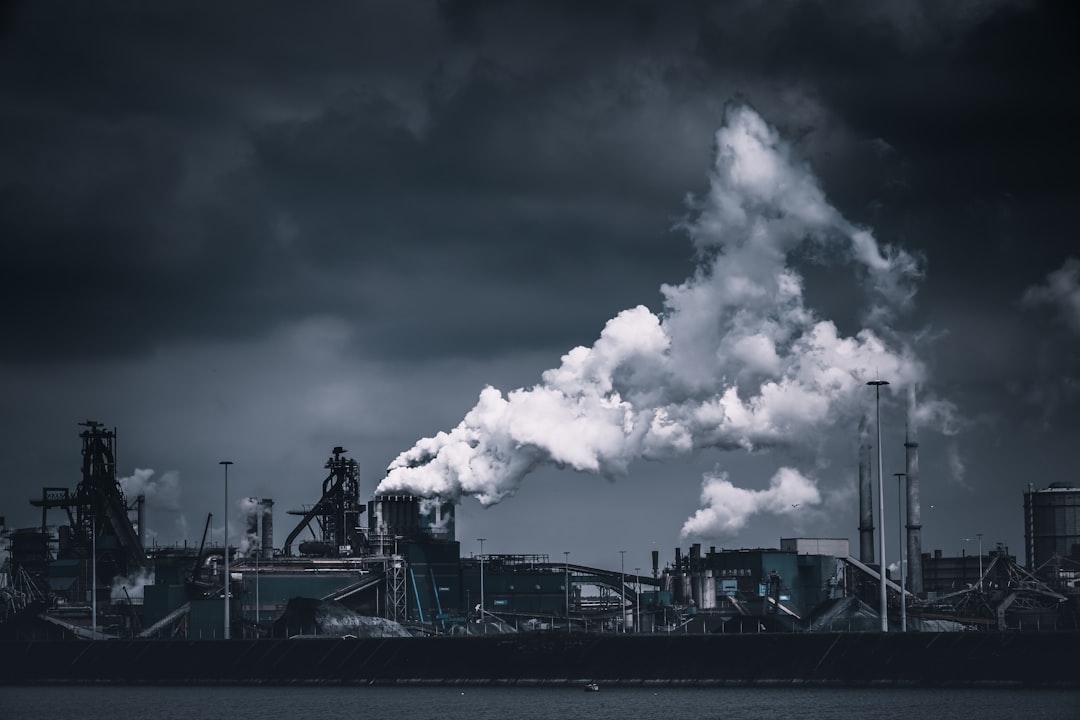
A critical shortage of naphtha, a vital chemical feedstock, is paralyzing global manufacturing and pushing inflation higher, with dire implications.
Global manufacturing faces a severe and escalating crisis caused by a shortage of naphtha, a critical chemical feedstock essential in producing foundational materials for modern goods. This disruption, exacerbated by geopolitical instability in the Middle East, is triggering factory closures, supply chain breakdowns, and inflationary pressures across industries worldwide.
The role of naphtha in global manufacturing
Naphtha, a volatile hydrocarbon mixture derived from crude oil’s fractional distillation, forms the backbone of numerous industries. It is the key input for steam crackers—industrial furnaces that superheat the liquid to 800°C to break it down into reactive molecules. These outputs, including ethylene, propylene, and butadiene, are fundamental to manufacturing plastics, food packaging, synthetic rubber, semiconductors, and medical equipment.
Middle Eastern nations dominate global naphtha production due to their unique crude oil properties. Asian manufacturing hubs such as South Korea, Japan, and Taiwan rely heavily on imports from this region, consuming 4–5 million metric tons monthly. However, a cascade of recent events has disrupted this critical supply chain.
Crisis origins: The geopolitical blockade
The crisis stems from the conflict between Iran and other nations, which has severely impacted shipping through the Strait of Hormuz, the principal maritime gateway for naphtha exports. March 2026 saw the number of commercial vessel transits plummet from 130 to fewer than three daily, cutting the global naphtha supply chain by millions of tons.
Two key factors compound the logistical bottleneck:
- Financial constraints: European banks have ceased issuing letters of credit for Gulf-origin cargos, while marine insurers have either withdrawn coverage or imposed exorbitant war-risk premiums. Together, these factors make shipments commercially unviable.
- Physical damage: The Kuwaiti Al-Zour refinery, a significant naphtha producer, was hit by drone strikes, further crippling output.
Unlike crude oil, naphtha cannot be redirected through specialized Saudi or UAE pipelines. This has left vast stocks trapped within the Persian Gulf, pushing the benchmark naphtha price in Asia from $622 to $1,050 per metric ton in just four weeks.
Chain reaction: Factory closures and industrial shutdowns
The spiraling cost of naphtha has rendered many petrochemical operations economically unsustainable. Steam crackers, requiring margins of at least $300 per ton to break even, now face losses of $149 per ton, forcing widespread shutdowns.
South Korea’s industrial sector has been hit particularly hard, with Yun NCC shuttering two major ethylene plants and LG Chem closing its facility at Yeo-su, slashing millions of tons of production capacity. In Japan, giants like Mitsubishi Chemical have significantly scaled back operations, while Taiwan’s Formosa Plastics Group is also issuing supply chain warnings.
These shutdowns are neither temporary measures nor routine slowdowns; they signify deeper structural issues. As manufacturers run out of materials, the ripple effect is spreading across sectors, including:
- Technology: Semiconductors rely on over 500 specialized naphtha-derived chemicals for production. With many steam crackers offline, Taiwan’s production is at risk. Substituting suppliers entails months of requalification, causing inevitable delays.
- Healthcare: Medical-grade plastics used in life-saving devices like IV bags depend on naphtha derivatives. With inventories running low, South Korea has warned of a potential shortage within weeks.
- Automotive: Around 15–17% of modern vehicle weight comes from engineered plastics. Without access to core raw materials, automakers may have to slow production, prioritizing costlier models over mass-market vehicles.
K-shaped divergence in global petrochemical markets
While Asian and European manufacturers grapple with existential threats, American petrochemical companies are thriving. United States production relies on ethane, a natural gas derivative sourced from domestic shale, making U.S. companies immune to the naphtha crisis and Strait of Hormuz disruptions.
Firms like Dow and LyondellBasell are posting record profits, benefiting from their cost advantages and seizing greater pricing power in under-supplied markets. This K-shaped divergence highlights how regional dependencies on naphtha or ethane create winners and losers.
Inflationary impact and central bank limits
For consumers, the worst is yet to come. Though the impact of the naphtha crisis has been largely confined to factory closures and hoarding, the cascading costs are slowly trickling down. As supply dwindles, companies are bidding up prices for remaining inventory, driving inflation across multiple sectors.
Shrinkflation—the practice of reducing product sizes while maintaining prices—is already emerging as manufacturers attempt to offset costs. However, central banks, such as the Federal Reserve, have limited tools to counter these supply-driven price shocks. Raising interest rates cannot manufacture missing chemicals or repair disrupted shipping lanes, leaving policymakers effectively powerless against this form of inflation.
Experts foresee inflation persisting through 2026, with projections in the U.S. at 4.2% and Eurozone GDP growth sliding perilously to 0.9%. This stagflation divides economies into slow growth or near-dormant productivity against the backdrop of rising consumer costs.
Long-term recovery challenges
While the blockade’s immediate effects have been catastrophic, even the resolution of regional conflicts will not yield quick relief. Estimates suggest 275 days or more would be required to unwind the supply chain disruptions, assuming the situation improves. This means material shortages and their accompanying price spikes will remain a defining economic issue for the foreseeable future.
The downstream consequences extend far beyond industrial production costs; they also directly affect national security, healthcare, and transportation systems. For global leaders, this crisis underscores the risks of over-concentrated supply chains and the fragility of essential commodities within global markets.
Why it matters now
The unfolding naphtha crisis offers several lessons for businesses, policymakers, and consumers. For producers, it highlights the necessity of diversifying raw material sources. For governments, it emphasizes the importance of safeguarding critical supply chains against geopolitical risks. And for everyday consumers, it foretells rising costs for everything, from smartphones to medication, that will start to become apparent by late 2026.
The chemical underpinning of modern manufacturing has been overlooked for far too long. With geopolitical tensions as volatile as ever, industries must brace for more shortages, higher costs, and mounting pressures in the coming years.
Staff Writer
Priya writes about blockchain technology, DeFi, and digital currency regulation.
Comments
Loading comments…


