The Strait of Hormuz Confusion Explained
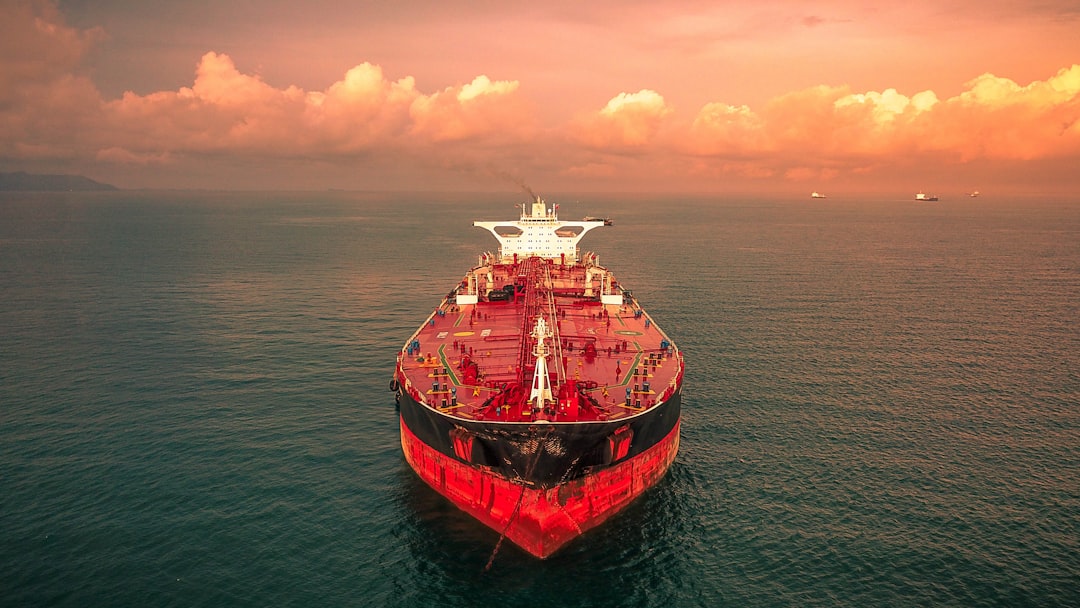
The Strait of Hormuz's status often appears to toggle between open and closed, impacting global markets. Here's what's really happening.
For a strip of water measuring less than 100 miles in length, the Strait of Hormuz carries immense geopolitical and economic importance. This narrow waterway, located between the Persian Gulf and the Gulf of Oman, plays a key role in the global oil supply chain. If you’ve been following the headlines recently, you might feel whiplash: the strait is open, then closed, then open again. But what’s really going on here? Taking a closer look, it appears this confusion is less about physical accessibility and more about financial leverage.
Strait of Hormuz: A Vital Chokepoint
Roughly one-third of the world's crude oil transported by sea passes through the Strait of Hormuz. This makes it an incredibly valuable passage for global trade. A disruption of any kind—whether due to geopolitical tensions, military conflict, or even rumors—can send shockwaves through oil markets, impacting prices far beyond the region. It’s no exaggeration to say global economic stability depends partly on the free flow of oil through this narrow waterway.
A Cycle of Contradictory Reports
Recently, reports about the strait have been anything but consistent. One day, claims state that Hormuz is open and operating normally, easing fears of oil supply disruptions. On another day, headlines suggest the strait might be closed or heavily restricted, stoking anxiety about potential crises. These conflicting narratives have obvious consequences. When news emerges that the strait is open, markets tend to rally as oil prices dip. Conversely, when reports hint at its closure, oil prices spike and stock markets falter.
This was exemplified in a recent case where claims of the Strait of Hormuz "finally reopening" led to a marked drop in the price of "paper oil"—the futures contracts tied to oil prices—and a surge in stock markets that hit record highs. For many, this back-and-forth might seem like a natural reflection of geopolitical volatility. However, a deeper view suggests there’s more at play.
Is This Market Manipulation?
According to the source material, these oscillations in the Strait of Hormuz’s status could be more than just a reflection of events on the ground. Instead, the fluctuating narrative might be a deliberate strategy aimed at influencing financial markets.
"Paper oil," also known as oil futures, plays a significant role in determining the price of crude oil. While rooted in the value of physical barrels of oil, these contracts are traded as financial assets, often by entities with no intention of ever taking delivery of the oil itself. Price changes in this market ripple out into other sectors, influencing everything from energy stocks to consumer fuel prices.
If insiders—whether governments, corporations, or influential traders—leak strategic misinformation about the status of the Strait of Hormuz, it creates an opportunity for financial gain. By stoking uncertainty, oil prices can be nudged up or down. Traders anticipating these swings can profit handsomely from correctly predicting market movements.
Who Gains from the Chaos?
Understanding who benefits from the fluctuating narrative of the Strait of Hormuz requires following the money. Speculators in oil markets, hedge funds, and even national governments all have incentives to keep a close eye on this waterway. When rumors or misinformation spread, these actors are in positions to profit, often at the expense of average consumers and smaller investors. The stark rally in markets and the drop in oil prices following the "reopening" news fits this pattern. Investors who bought into the dip just before stocks surged likely saw significant returns, raising questions about whether someone engineered the right circumstances for this windfall.
Broader Implications
The broader problem here is trust. Markets are designed to reflect genuine supply and demand. When insider manipulation or strategic misinformation occurs, it distorts these signals, exposing both markets and individual investors to undue risk. If the Strait of Hormuz is being used as a lever to manipulate oil prices and market indices, it undermines confidence not only in energy markets but also in the financial systems that depend on them.
Additionally, the manipulation of economic signals tied to vital resources like oil demonstrates the precarious balance of power in the global economy. If a handful of actors can artificially swing the narrative—and by extension, the market—what hope is there for stability in times of actual crisis?
What Can Be Done?
Addressing this issue requires a combination of transparency and accountability. First, governments and international organizations must work toward providing verifiable information about important economic chokepoints such as the Strait of Hormuz. Technology like satellite imaging can help monitor traffic through the waterway, reducing reliance on second-hand or possibly fabricated reports.
Second, market regulators need to keep a watchful eye on trades that seem unusually well-timed to geopolitical events. While markets will always have their speculators, repeated patterns of manipulation demand scrutiny, if not intervention.
Finally, as consumers and citizens, it’s essential to maintain skepticism. Not every dramatic headline reflects reality. As the Strait of Hormuz saga shows, even the perception of crisis can be a tool for profit. Understanding the mechanics behind these cycles of confusion can help hedge against being caught up in the frenzy.
A Closing Thought
The Strait of Hormuz represents far more than a narrow piece of water—it is a mirror reflecting the broader dynamics of power, information, and control in the modern economy. Whether the strait is truly open, closed, or somewhere in between, one thing remains clear: the forces shaping its narrative have their eyes set on markets, and the stakes couldn't be higher.
Staff Writer
James covers financial markets, cryptocurrency, and economic policy.
Comments
Loading comments…


