The Trump Administration Weighs a Potential Bailout for Spirit Airlines
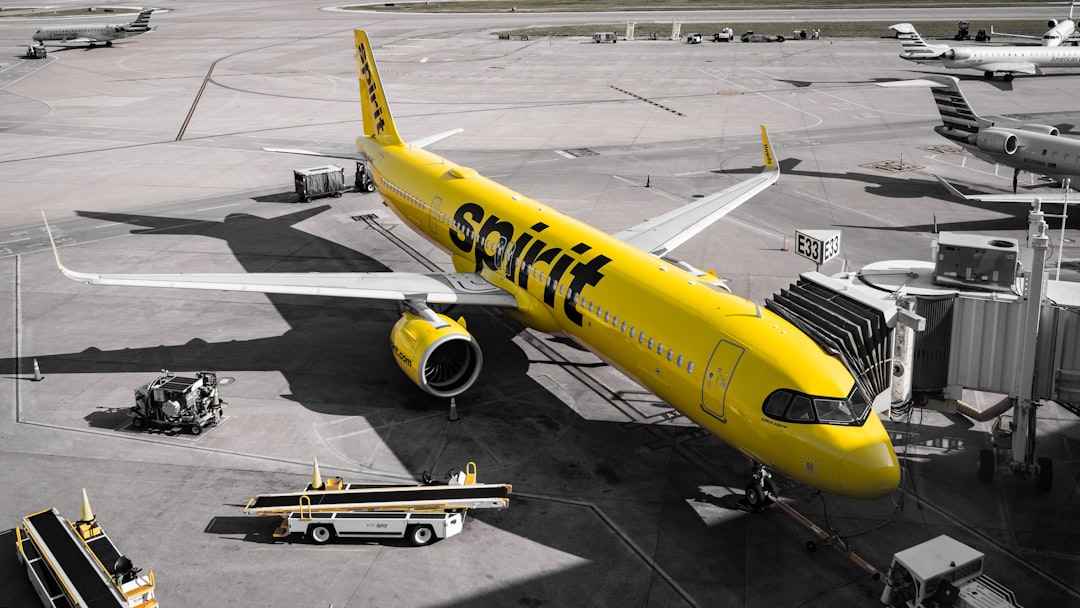
Spirit Airlines seeks a $500 million bailout to avoid liquidation, sparking debate over government intervention and its implications for taxpayers.
Spirit Airlines, the U.S.’s largest budget carrier by flight volume in recent years, has approached the Trump administration for a $500 million bailout as it faces imminent liquidation. This marks the second time in less than a year that the discount carrier has filed for bankruptcy protection. The proposal, however, has reignited extensive debates over the use of taxpayer funds to rescue struggling companies and the broader implications of government intervention in private industry.
Why Is Spirit in Trouble?
Spirit Airlines finds itself in a precarious position due to a series of setbacks that have combined to form a near-perfect storm for the company. The pandemic dramatically disrupted the airline industry, and Spirit has particularly struggled to recover amid shifting consumer preferences for higher-end travel experiences. Compounding these issues was an engine recall that temporarily grounded a significant portion of its fleet, further limiting its ability to operate profitably.
Additionally, Spirit had planned to merge with JetBlue Airways—a move many viewed as a strategic lifeline—but the deal was blocked two years ago by a court on antitrust grounds. This decision, enforced under the Biden administration, left Spirit scrambling for other means of survival. More recently, the airline has been severely impacted by the Iran war and the resulting spike in jet fuel prices, which have nearly doubled in some regions. With fuel being among the most significant operating expenses for airlines, Spirit’s already slim margins have been stretched even further.
While these factors weigh heavily, Spirit is not alone. "The marginal companies," those that operate on razor-thin profit margins, are especially vulnerable. The economic uncertainties created by geopolitical conflicts have made Spirit’s position precarious, and some believe other companies could face a similar fate if the crisis continues.
The Case for a Federal Bailout
Spirit Airlines has 14,000 employees whose jobs are now at stake, a pressing concern that could justify government intervention. The airline operated over 51,000 domestic flights last summer, making it a vital player in the budget travel sector. If Spirit collapses, reduced competition could lead to increased ticket prices across the U.S. airline industry, disproportionately affecting cost-sensitive travelers.
Proponents of the bailout also point to historical precedents. After the attacks on 9/11, U.S. airlines received government aid to stabilize the industry. Similarly, during the 2008 financial crisis, automakers and banks were bailed out to prevent cascading economic failures. More recently, the industry benefited from tens of billions of dollars in pandemic-related financial assistance. However, each of these past interventions was tied to broader crises that required sweeping measures. Spirit’s case is different in that its failure is attributed to company-specific challenges rather than a systemic emergency.
Concerns and Risks
The proposal to rescue Spirit Airlines has its detractors, including prominent Republican lawmakers. Senator Ted Cruz has labeled the bailout a "terrible idea," while Senator Tom Cotton has argued it would be a poor use of taxpayer dollars. Critics see the move as setting a dangerous precedent, singling out one company for rescue without congressional authorization or broad industry justification. They contend that Spirit’s financial woes are less about necessity and more about poor management and failed corporate strategy.
Furthermore, there are concerns that a government bailout would grant federal authorities a significant equity stake in Spirit Airlines. This dynamic could create potential market distortions. Other carriers may view such an arrangement as unfair, as government ownership could tip the scales in Spirit’s favor through regulatory or tax advantages.
Some argue that liquidation might be the best path forward. "Taxpayers are possibly looking at being on the hook for a failing airline that, quite frankly, should just simply be liquidated," critics assert, emphasizing that government involvement could prolong inefficiencies rather than let the market correct itself.
Political Stumbling Blocks
For President Trump, backing the bailout may present distinct political challenges. While his administration has intervened financially in sectors deemed vital to national security—taking stakes in companies like U.S. Steel, Intel, and USA Rare Earth—a rescue package for Spirit Airlines lacks a clear strategic imperative. This could make the decision harder to justify to voters, particularly those critical of using federal funds to assist what some deem a "loser" company.
The administration could face political backlash not only from Capitol Hill but also from the broader electorate, complicating Trump’s efforts to present himself as a shrewd steward of taxpayer dollars during a campaign season. By contrast, denying the bailout would risk alienating workers and other voters impacted by Spirit’s potential collapse, highlighting the no-win nature of the issue.
Industry Implications
Spirit’s troubles may also have ramifications for the broader budget travel sector. With fewer low-cost flights available, the shortage of competition would likely drive up fares, making air travel less accessible for the budget-conscious. The airline industry as a whole would shift toward consolidation, potentially recreating conditions seen in the early 2000s, when fewer carriers dominated the market.
The broader question is whether Spirit’s downfall signals the need for systemic reforms within the industry. High fuel costs, rising labor expenses, and increased regulatory oversight have made it increasingly difficult for budget carriers to survive in the current environment. If Spirit fails and no other low-cost carrier rises to fill the gap, travelers may face lasting financial impacts.
Looking Forward
The Spirit Airlines bailout dilemma is emblematic of broader tensions in how the U.S. government intervenes in private industry. While the stakes for the airline are high, the Trump administration’s final decision could set a precedent for how future cases are handled—whether involving airlines, automakers, or other struggling industries.
As Spirit navigates these turbulent skies, both its employees and competitors remain on edge. Should the bailout proceed, it will undoubtedly carry strings, such as government ownership stakes or stricter accountability measures. If denied, though, the collapse of one of the nation’s largest budget carriers could usher in higher fares and mounting frustrations for consumers.
For now, the balance remains precarious, and the decision on Spirit Airlines will likely be watched closely by other industries that may soon find themselves in equally dire straits.
Staff Writer
James covers financial markets, cryptocurrency, and economic policy.
Comments
Loading comments…


