UAE’s Exit from OPEC: What It Means for Oil Markets and Global Energy
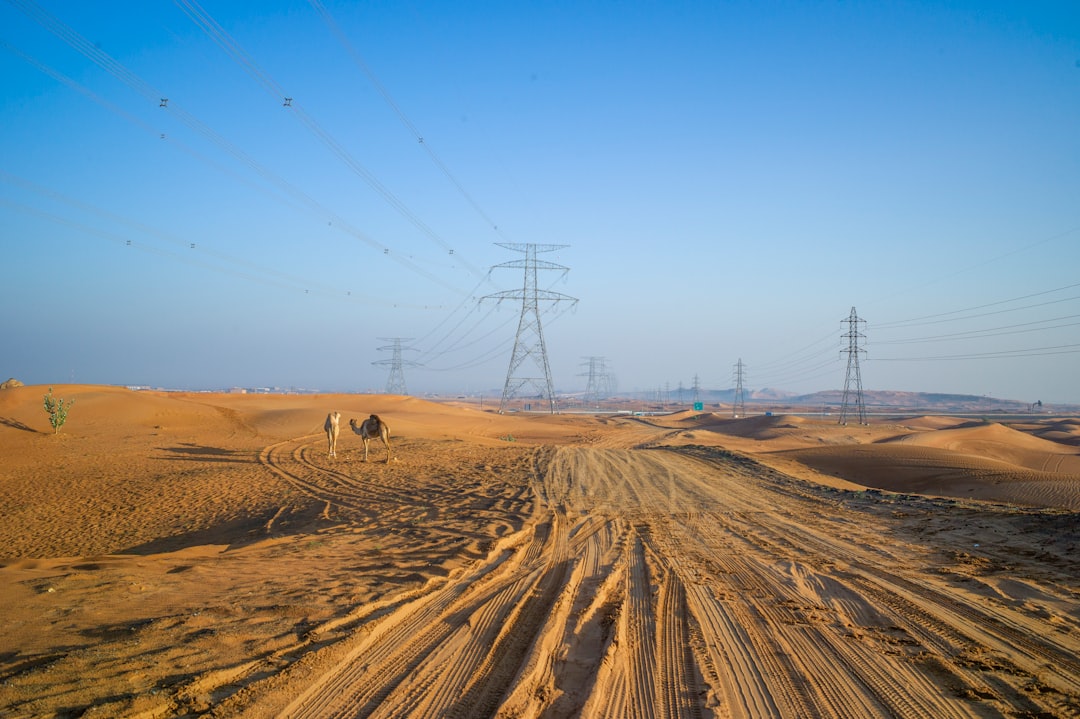
The UAE's surprise departure from OPEC reshapes the global oil market, weakens the cartel, and shifts dynamics for producers worldwide.
The global energy market is undergoing a seismic shift as the United Arab Emirates (UAE) announces its sudden departure from OPEC (Organization of Petroleum Exporting Countries), effective May 1. This decision marks the first time in 59 years that one of the cartel’s largest producers has chosen to exit unilaterally, and the ramifications are profound.
Understanding OPEC and Its Role in the Oil Market
Founded in the 1960s by Iran, Iraq, Kuwait, Saudi Arabia, and Venezuela, OPEC has long functioned as the world’s most powerful oil cartel. Together, its members control about 40% of global oil production. By coordinating production quotas, OPEC ensures that oil supply is tightly managed, stabilizing prices and giving its members considerable leverage on the global stage. However, the system hinges on unity. If one country breaks ranks, the cartel's collective power diminishes significantly.
For enforcement, OPEC relies on a mix of economic incentives and implicit threats rather than formal mechanisms. For example, Saudi Arabia, the cartel's largest producer, can flood the market with oil to lower prices and punish noncompliers. Yet, this "nuclear option" is increasingly ineffective because Saudi Arabia needs oil prices between $80 and $90 per barrel to sustain its budget.
Why the UAE Left
The UAE’s decision to leave OPEC reflects both longstanding frustrations and immediate pressures. Historically, the UAE has clashed with Saudi Arabia over production quotas. In 2021, it pressed for higher allowances but still found itself constrained. Under the current OPEC system, the UAE is capped at producing about 3 million barrels per day (bpd), though it has the capacity to produce 5 million bpd today and aims for 6 million bpd by 2027. Remaining within the cartel costs the UAE between $200 million and $300 million daily in unrealized revenue.
The ongoing geopolitical turmoil contributed to the timing of this departure. The UAE’s oil exports were heavily disrupted by increased tensions in the Strait of Hormuz, the world's most critical oil shipping route. Iran's blockade of the strait, combined with retaliatory blockades from the United States, has rendered the channel largely inaccessible to Gulf producers, including the UAE. Compounding these challenges were Iranian missile strikes against UAE targets. Throughout these crises, OPEC offered little help, further straining relations.
Adding to the UAE’s frustration, Washington stepped in with a $20 billion dollar emergency swap, strengthening the UAE’s financial liquidity amid the crisis. The U.S.’s support, contrasted with OPEC’s silence, appears to have solidified the UAE’s decision to exit the cartel.
Implications of the UAE’s Departure
1. More Oil on the Market
Once outside of OPEC’s constraints, the UAE can increase its daily oil output by 2–3 million barrels. When the geopolitical tensions in the region ease and the Strait of Hormuz reopens, this increased production will likely lead to more oil on the global market. An expanded global oil supply typically puts downward pressure on prices, though the full effect may not be felt for months.
Other nations outside of OPEC are also ramping up production. U.S. shale oil output has reached record levels, Brazil’s offshore operations are expanding, and Guyana is rapidly scaling its capacity. All these factors indicate an oil market leaning toward oversupply in the near future.
2. OPEC Faces an Existential Crisis
By leaving OPEC, the UAE disrupts the delicate balance of the cartel’s game-theory-based operation. The collective power of OPEC relies on its members sticking to production quotas. The UAE’s departure sets a precedent, encouraging other countries—especially those unhappy with their quotas—to consider exiting. Members like Nigeria and Iraq have already exceeded their quotas in the past, and this move could embolden further defections.
Saudi Arabia, as OPEC's linchpin, faces a significant challenge. To stabilize prices, it might need to unilaterally reduce production—a move that would strain its economy. Alternatively, it could choose to flood the market to punish the UAE, though this would likely lead to self-inflicted economic pain. Either way, the cartel emerges weaker.
3. A Win for Non-OPEC Producers
Producers outside of OPEC, such as U.S. shale oil companies, stand to benefit from a diminished cartel. Free from production limits, they can react swiftly to price changes and capitalize on opportunities. Companies like ExxonMobil and Occidental Petroleum are expected to strengthen partnerships with ADNOC, the UAE’s oil company, and increase their investments in UAE projects. Meanwhile, countries like Brazil and Guyana, both non-OPEC producers, will enjoy greater advantages in this less regulated market.
The Road Ahead: Oil Prices and Market Dynamics
In the immediate term, geopolitical factors such as the ongoing blockade of the Strait of Hormuz and tensions with Iran will keep oil prices elevated, hovering around $100 per barrel. However, the long-term outlook is different. As the UAE ramps up production and additional oil from non-OPEC producers enters the market, prices could decline within the next 12 months.
The upcoming OPEC meeting on May 3 will be a pivotal moment. Saudi Arabia’s response to the UAE’s departure—whether to cut production to maintain current price levels or to increase production in retaliation—will set the tone for the cartel’s future. Regardless of its decision, the cracks in OPEC’s foundation are clear.
A World Beyond OPEC?
The UAE’s departure raises the possibility of a future without OPEC as a dominant force. As more members question the value of their participation, the cartel may lose its ability to influence global markets. This would usher in an era of less-regulated oil production, characterized by increased competition and potentially lower prices for consumers.
For the UAE, the move aligns with its broader strategic goals of maximizing oil revenues and leveraging its unique infrastructure, such as the Habshan Fujairah pipeline, which bypasses the Strait of Hormuz entirely. This pipeline allows the UAE to transport up to 1.5 million barrels per day without risking disruptions in the volatile strait. Plans to expand this capacity further cement the UAE’s posture as a fiercely independent oil producer.
As the dust settles, one thing is clear: the UAE’s exit from OPEC marks one of the most significant shifts in the energy market in decades. The global oil landscape—and the alliances that underpin it—has been irrevocably altered.
Staff Writer
Priya writes about blockchain technology, DeFi, and digital currency regulation.
Comments
Loading comments…


