Understanding Today’s Market Sell-Off: Key Factors and Opportunities
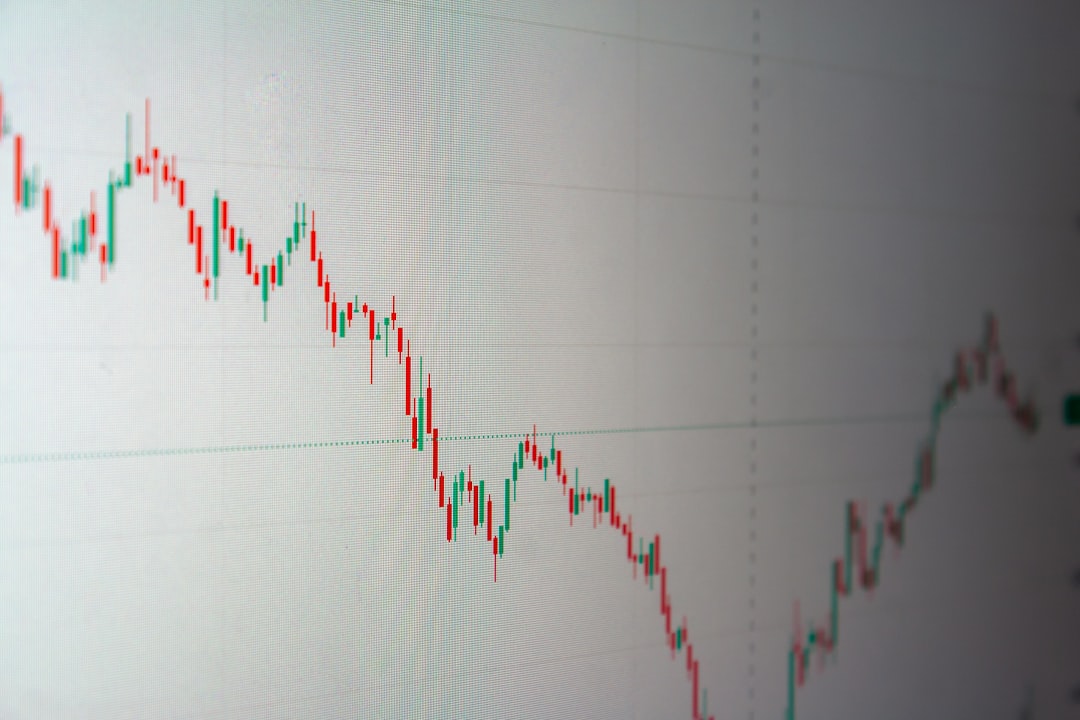
Market volatility continues as geopolitical tensions rise, Treasury yields surge, and inflation concerns disrupt investor sentiment.
What’s Driving Today’s Market Sell-Off?
The financial markets took a steep dive today, leaving investors scrambling to understand the forces at play. As global events and economic signals weigh heavily, the stock market’s sharp decline reflects heightened uncertainty. Over $1 trillion was wiped out from the market in a single trading day, highlighting just how volatile the situation has grown.
Ricky from Tech Solutions, a day trader and educator, offered his analysis, focusing on several key factors contributing to today’s downturn, along with the opportunities savvy investors might consider during these challenging times.
Geopolitical Tensions Escalate
A major factor behind today’s sell-off is the ongoing geopolitical uncertainty in the Middle East. The U.S. recently announced the deployment of 2,500 additional Marines to the region. Despite earlier statements hinting that tensions had eased, this latest move unsettled markets. The mixed signals have left investors questioning the true stability of the situation.
Market sentiment is closely tied to updates on global conflicts, and signals of prolonged instability often result in sharp declines. A resolution, or even the perception of easing tensions, could reverse these losses quickly. Investors must stay alert to international news, as developments in the Middle East will likely continue to drive market behavior.
Rising Treasury Yields and Interest Rate Uncertainty
Another significant driver is the rapid increase in the 10-year Treasury yield, which climbed 45 basis points within three weeks. Currently sitting at 4.39%, the benchmark yield is approaching the 4.5% threshold that historically causes concern. Rising Treasury yields make mortgages and other loans more expensive, impacting both households and businesses.
Higher yields also shift expectations for Federal Reserve interest rate policies. A month ago, many were forecasting rate cuts in the near future, but the narrative has flipped. The market now sees a 50% probability of a rate hike by 2026. This change in expectations has spiked investor fears about slowed economic growth.
Here's how rising Treasury yields impact financial markets:
| Impact Area | Effect |
|---|---|
| Mortgage Rates | Higher borrowing costs, reduced demand in housing market |
| Corporate Debt | Increased costs for companies to issue bonds |
| Equity Valuations | Lower valuations as higher yields offer stronger competition |
Surge in Oil Prices and Inflationary Pressures
Inflation concerns intensified as oil prices hovered near $100 per barrel. Gas prices have surged nearly 50% over the past four months, squeezing both individual budgets and corporate margins. Airlines and other industries heavily reliant on fuel are feeling the pinch, and businesses are finding it more expensive to borrow money for operations or expansions.
Ricky noted that this sharp inflationary rise has caught many investors off guard. A few months ago, the expectation was for a softer inflationary environment and potential rate cuts. Yet today, the narrative is dominated by the need to suppress inflation, which could lead to additional rate hikes. This shift has rattled markets and reversed the optimistic outlook seen earlier this year.
How to Approach Investing During a Sell-Off
While market downturns may create anxiety, they also open the door for long-term investment opportunities. Ricky emphasized the importance of focusing on high-quality, profitable companies during periods of heightened volatility. Here are some of the key takeaways from his strategy:
-
Focus on Quality Stocks: Companies like Microsoft, Alphabet (Google), Nvidia, Meta, Apple, and Amazon are among the big names currently trading at discounted valuations. These firms are profitable, have strong track records, and are likely to recover when markets stabilize.
-
Avoid Speculative Plays: Steer clear of companies that don’t turn a profit, even during a downturn. Buying the dip in fundamentally weak businesses can lead to significant capital losses.
-
Mitigate Overnight Risk: Ricky’s trading strategy emphasizes not holding short positions overnight or over weekends. Markets tend to recover quickly from sell-offs, and holding positions during potential recovery periods can magnify risks.
-
Invest Incrementally: Instead of diving in with large investments, consider dollar-cost averaging. By spreading purchases over time, you can minimize the impact of short-term volatility.
Balancing Short-Term and Long-Term Market Projections
Short-term trading remains high-risk given the current volatility. Geopolitical headlines, economic data, and central bank actions can drastically shift sentiment on a daily basis. Ricky urged caution for those considering shorting the market overnight, pointing out the elevated risks associated with unexpected events—like policy announcements or geopolitical developments—that can rapidly trigger a market rebound.
In contrast, long-term investors may benefit from a focus on the "big picture." While the market’s sell-off increases short-term uncertainty, history shows that downturns provide a prime opportunity to accumulate shares in valuable companies at lower prices. Ricky’s advice was clear—keep an eye on companies with proven performance over decades.
Looking Ahead
Markets are in a delicate balance. The trajectory depends heavily on three evolving factors: whether geopolitical tensions subside, how Treasury yields behave in the coming weeks, and whether central banks adopt a more hawkish or dovish stance. Investors should tune into these indicators to navigate the unpredictable path ahead.
Regardless of the near-term direction, always prioritize managing risk. Avoid overleveraged positions and adopt a strategy that suits your risk tolerance. As Ricky stressed, the key to weathering market downturns is thorough preparation and patience.
Frequently Asked Questions
Why did the market drop today? The sell-off was driven by geopolitical uncertainty in the Middle East, rising Treasury yields, and inflationary pressures linked to surging oil prices.
Are stocks a good buy during a downturn? High-quality, profitable companies often represent good investment opportunities during downturns, as their prices are more likely to rebound with market recovery.
What should short-term traders do? Short-term traders should consider being cautious, especially with overnight positions. Intraday trading allows better risk management in volatile markets.
How are rising Treasury yields impacting the economy? Higher yields are making mortgage rates and corporate debt more expensive, which could slow economic growth and further pressure equities.
What’s the outlook for inflation? Inflation risks remain elevated due to rising oil prices and shifting expectations of Federal Reserve rate hikes.
Comments
Loading comments…


