Unusual Oil and Stock Trades Raise Insider Trading Concerns After Trump Post
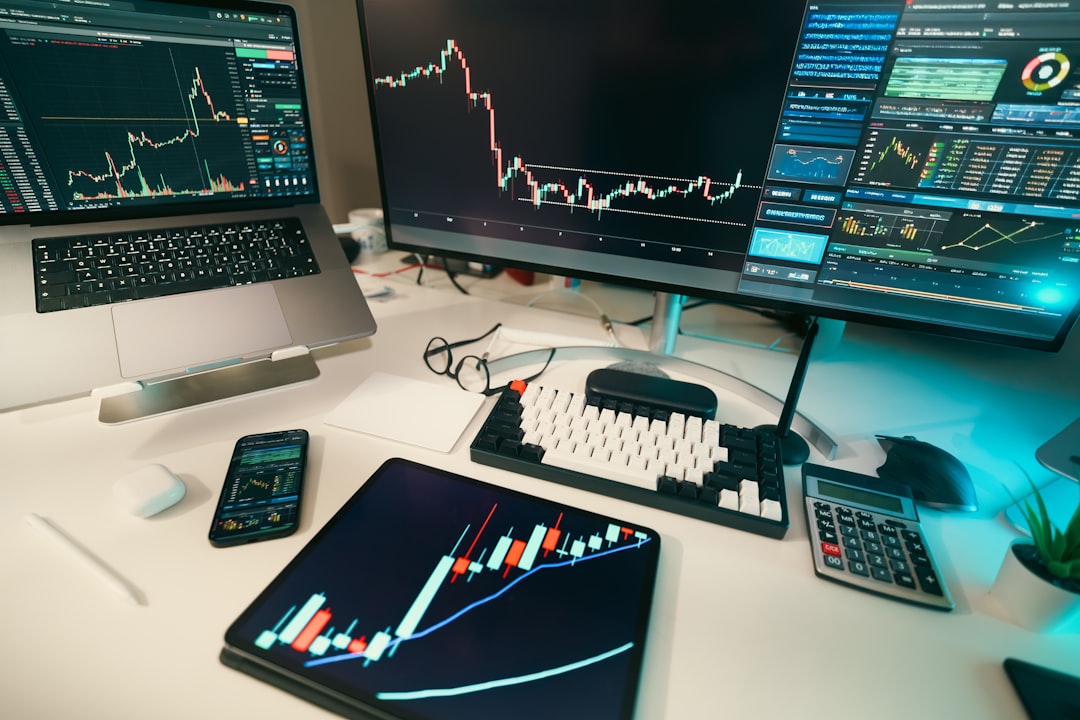
A spike in stock and oil trades before Trump's social media post halting Iranian strikes sparks calls for investigation into potential insider trading.
An unexpected surge in stock and oil trades, occurring just minutes before a key announcement by former President Donald Trump, has sparked suspicions of insider trading. The trades involved large purchases of S&P 500 futures and significant oil futures sell-offs, both executed shortly before Trump revealed on Truth Social that planned U.S. strikes on Iranian targets were canceled. The timing and profitability of these trades have drawn scrutiny from lawmakers and financial regulators alike.
The Trades That Raised Eyebrows
At approximately 7:10 AM ET, an investor or group of investors made a substantial stock-market move, buying $1.5 billion worth of S&P 500 futures. Concurrently, they sold off large amounts of oil futures. Only 15 minutes later, Trump publicly declared the halt of military strikes against Iran—a decision that triggered an immediate financial response. The S&P 500 futures surged by over 2.5% before the market opened, while oil prices dipped as the prospect of Middle East escalation eased. This narrow window of time, paired with the scale of the trades, suggests informed decision-making.
Financial journalist Ron Insana characterized the activity as "unusual," pointing out that this specific combination of trades—betting on stock markets rising while oil prices fell—aligned perfectly with the surprise announcement. "You had to know something," he commented, further fueling suspicions.
Calls for Investigation
Senator Chris Murphy of Connecticut publicly called for an investigation into the matter. Although Murphy’s committee lacks direct oversight, the scale and implications of these trades could prompt the Securities and Exchange Commission (SEC) to act. However, skepticism about regulatory follow-through exists, particularly given the recent resignation of the SEC enforcement division head.
Past incidents of similar market behavior only add to the controversy. Financial journalist Philip Bump pointed out a pattern, citing examples where market-moving events, such as tariff decisions or military announcements, were preceded by suspiciously profitable trades. Such cases often go unexplored due to the difficulty of proving insider information was shared.
A History of Market Influence
This isn’t the first time Trump’s actions have aligned closely with peculiar market activities. Reports from Reuters highlight past instances, such as unidentified options trading prior to Trump’s announcement to pause planned tariffs. In that case, millions were made by individuals betting on the market rebound before the general public was informed.
Experts believe the problem lies in the potential for high-ranking officials or their associates to possess actionable intelligence that can influence markets. In particular, members of Congress and government agencies routinely receive confidential briefings, heightening risks of insider information leaks.
Prediction Markets in the Spotlight
In addition to traditional financial trading, platforms like Polymarket and Kalshi, which allow betting on specific outcomes (often referred to as prediction markets), are also under scrutiny. These platforms make it easier for individuals without institutional knowledge to participate in market speculation tied to government actions. Critics argue that betting on government decisions, such as military strikes or legislative votes, creates ethical and financial risks.
On Capitol Hill, there are increasing calls to ban these types of markets. Jake Sherman, co-founder of Punchbowl News, explained that legislative discussions surrounding prediction markets continue to stall, despite concerns from legislators on both sides. For now, platforms remain operational, blurring the line between legal speculation and ethically dubious activity.
What Comes Next?
While the activity surrounding Trump’s Iranian announcement is drawing attention, tangible actions may be limited. For one, proving insider trading requires identifying the source of confidential information and linking it to the trades—a process made more difficult by layers of intermediaries. Furthermore, the ambiguous regulatory environment surrounding prediction markets adds complexity to enforcement efforts.
If an investigation proceeds, analysts agree it would leave a digital paper trail given the financial scale of these bets. Each transaction on a public financial market must be recorded, which could aid regulators in tracing activity back to its source.
Key Takeaways
- Timing Is Critical: The trades in question were placed just 15 minutes before Trump’s announcement, suggesting advanced knowledge.
- Political Connections Matter: Suspicion falls not just on traders but on whether high-ranking officials or their associates leaked the information.
- Past Patterns Persist: Similar market movements ahead of Trump’s previous announcements fuel speculation.
- Regulators Need Cohesion: Calls for SEC action, tighter rules around prediction markets, and potential bans may reshape how political and financial markets interact.
Conclusion
The unusual trades made before Trump’s Iranian announcement reinforce concerns about the potential intersection of politics and insider trading. While investigations are possible, history suggests outcomes may be inconclusive or delayed. However, the case serves as a reminder of the vulnerabilities in both traditional and prediction markets when insider information intersects with financial opportunity. The spotlight now falls on regulators, legislators, and the courts to address these brewing complexities.
Staff Writer
Priya writes about blockchain technology, DeFi, and digital currency regulation.
Comments
Loading comments…


