US-Iran Ceasefire Sparks Crypto and Stock Market Rally Amid ETF Momentum
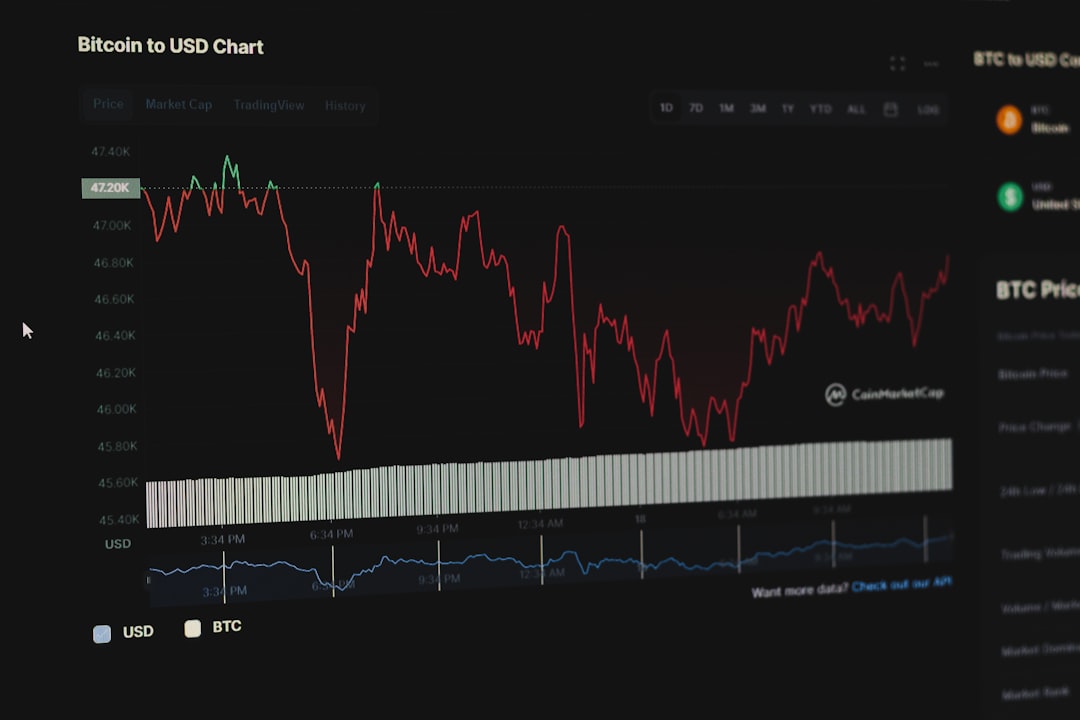
A US-Iran ceasefire has opened the Strait of Hormuz, spiking crypto and stock markets. Bitcoin surges to $72K, while ETFs see notable inflows.
The recent two-week ceasefire between the United States and Iran has provided a much-needed boost to global markets, with the reopening of the Strait of Hormuz offering a dramatic tailwind for risk assets. Bitcoin, the flagship cryptocurrency, surged to $72,000 following the announcement, accompanied by positive sentiment in the S&P 500, NASDAQ, and other indices. This momentary relief comes against a backdrop of geopolitical uncertainty and highlights the deep interconnection of traditional and crypto markets.
Markets React to Geopolitical Stability
The Strait of Hormuz, a critical maritime passage for global oil supply, plays a significant role in economic stability. The reopening of the strait as part of the ceasefire agreement caused oil prices to plummet by over 15%. This development alleviated pressure on risk assets like cryptocurrencies and equities, which often decline when oil prices soar. Historically, spiking oil prices have negatively correlated with the performance of risk-sensitive assets, making this development a welcome shift.
Bitcoin’s rally to $72,000 comes at a time when technical indicators show promise for continuation. The cryptocurrency's Relative Strength Index (RSI) remains in neutral territory, leaving room for additional upward movement. Similarly, the Moving Average Convergence Divergence (MACD) on both daily and weekly charts has flipped bullish. These indicators are mirrored in the broader stock market, where the S&P 500 and NASDAQ also recorded significant gains.
Relief Rally or Something More?
While the immediate upside in crypto and equity markets is promising, analysts remain cautious. Tony Edward, a cryptocurrency commentator and host of the "Thinking Crypto" podcast, describes the current market behavior as a relief rally rather than a decisive move toward new all-time highs for Bitcoin or other crypto assets. He anticipates short-term fluctuations, possibly bringing Bitcoin back to the $50,000 range before any sustained growth.
On the weekly chart, Bitcoin’s RSI is recovering from historically oversold levels typically seen during bear markets. At the same time, the MACD is transitioning from red to green, another positive signal. However, Edward emphasizes the cyclical nature of markets, particularly in light of potential renewed tensions between the US and Iran.
"This is a very good sign," Edward said, "but we have to remain cautiously optimistic. The ceasefire is temporary, and geopolitical risks could quickly resurface."
ETF Inflows Signal Renewed Interest
Amid the broader market rally, crypto-focused Exchange-Traded Funds (ETFs) are seeing a resurgence. Bitcoin ETFs registered $471 million in inflows, their strongest performance since February. Meanwhile, XRP ETFs also posted robust numbers, with global crypto ETPs collectively attracting $224 million in inflows last week. Notably, the majority of XRP and Bitcoin inflows originated from Europe and other international markets rather than the United States.
These developments coincide with the launch of major financial products such as Morgan Stanley’s Bitcoin ETF, listed on the New York Stock Exchange. Edward notes that even late entrants like Morgan Stanley possess massive capital reserves, making their foray into the crypto market significant. "This is a sign of the times," he remarked, pointing to the increasing presence of institutional players in the crypto ecosystem.
Broader Implications for Traditional and Crypto Markets
The momentum sparked by the ceasefire is also reverberating through traditional financial channels. The CME Group, a leader in financial derivatives, continues to expand its offerings for crypto futures, recently introducing products linked to Avalanche and SWE. While concerns remain that futures markets can be used to short cryptocurrencies, their presence also attracts institutional liquidity, a critical factor for long-term adoption.
In the realm of stablecoins, regulatory progress is also shaping the narrative. The Federal Deposit Insurance Corporation (FDIC) has proposed new rules under the Genius Act to regulate stablecoin issuers. These rules aim to establish capital and liquidity standards, a move that could boost trust and institutional adoption. Crypto exchanges, particularly in South Korea, are facing heightened scrutiny, with new mandates requiring reconciliations every five minutes to ensure proof-of-reserves compliance.
Positive Indicators, But Risks Remain
While the markets have embraced the ceasefire with enthusiasm, risks loom large. A reversal in US-Iran relations, unforeseen macroeconomic shocks, and stricter regulatory oversight could dampen optimism. At the same time, the structural underpinnings of the crypto market appear to be solidifying. Institutional players like JP Morgan are integrating blockchain technology into their operations, while legacy financial institutions continue testing new products like crypto-linked deposit tokens.
For now, the interplay between geopolitical developments and market dynamics makes the current climate both exciting and precarious. As Bitcoin leads the charge toward recovery, the durability of this rally remains an open question. What’s clear is that global markets, crypto included, are entering a period of significant evolution where the lines between traditional and decentralized finance continue to blur.
Outlook for the Coming Months
Analysts like Edward remain cautiously optimistic about the market trajectory. He believes that economic and political pressures will heavily influence market performance, particularly in the lead-up to key events like the US midterm elections. Liquidity injections, whether through quantitative easing or fiscal stimulus, could provide further upward momentum.
However, patient investors are likely to see the most gains. Long-term holders have historically benefited from cyclical patterns in both crypto and traditional assets. For those navigating this volatile space, a well-informed and balanced approach remains essential.
Staff Writer
Priya writes about blockchain technology, DeFi, and digital currency regulation.
Comments
Loading comments…


