Where Is America’s Gold? Examining the US Gold Reserves
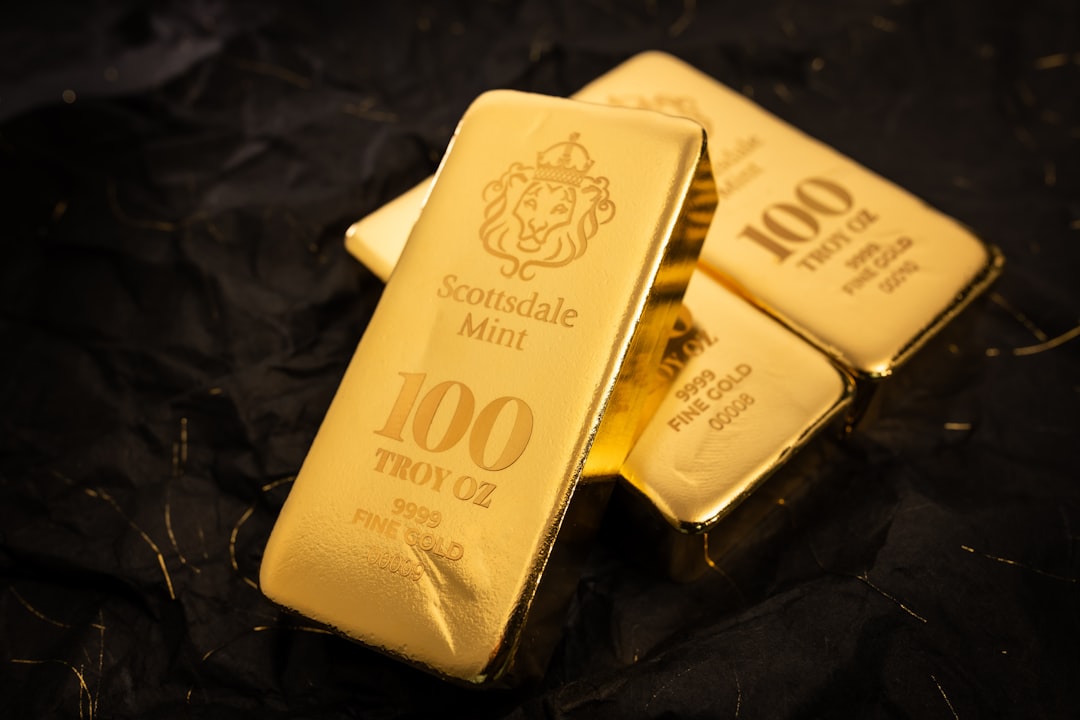
The US claims to hold 8,100 tons of gold, but a lack of audits has fueled speculation about its actual presence and value.
The United States is believed to hold the largest gold reserve of any nation, totaling approximately 8,100 tons. This gold is said to be stored in highly secured locations like Fort Knox, the Federal Reserve Bank of New York, and the US Mint’s facilities. Despite the monumental scale of this reserve, its exact status and true value are shrouded in a mix of outdated accounting practices and a surprising lack of recent audits.
Where Is America’s Gold Stored?
The US gold is primarily split across three key locations:
- Fort Knox in Kentucky: This facility is the most well-known gold vault, housing nearly 4,580 tons of gold, or about 56% of the total reserves.
- Federal Reserve Bank of New York: This Manhattan vault follows next, holding a sizeable portion of the reserves.
- US Mint Depositories: Other vaults scattered throughout the nation also secure portions of the national gold.
These facilities are reportedly some of the most secure in the world, with advanced physical and technological defenses to guard the treasure. Fort Knox, for instance, is nearly synonymous with impenetrable security, but due to the secrecy surrounding it, the broader public hasn’t seen the inside of these depositories in decades.
Why Is There No Recent Audit?
A surprising fact about the US gold reserves is that they haven't undergone a comprehensive audit in years. This lack of transparency has fueled speculation and cast doubt over the actual state of America’s gold.
Part of the issue lies in outdated accounting. The US valuates its gold based on something called a “book value,” which assigns each ounce a price of $42.22. This valuation originates from the 1970s and does not reflect the current market price of gold, which recently exceeds $1,800 per ounce. At today’s market rates, the reserves would be worth hundreds of billions, rather than the official book valuation total of $11 billion.
The disconnect between the government’s valuation and the real market value further complicates understanding the true wealth these reserves represent. However, the bigger concern lies in whether the gold reserves physically exist as claimed. If the gold were truly untouched since its last verification decades ago, it should still be there, but a growing chorus of skeptics wonders why routine audits aren’t conducted to provide clarity.
Recent Gold Shipments Raise Questions
Compounding the mystery, recent activity involving gold shipments has raised eyebrows. Reports indicate that US banks have been importing thousands of gold bars from London to New York. Why this gold is being moved now—and what it means for the US reserves—remains unexplained. This unusual movement has fueled theories ranging from strengthening the Federal Reserve's position to deeper concerns about either shortages or the need to shore up dwindling reserves.
What Would Happen If the Gold Were Missing?
The question of "What if America’s gold reserves are incomplete?" is not just hypothetical. Such a revelation could carry vast implications. Gold underpins confidence in a nation's fiscal stability, and any discrepancies—or worse, missing gold—could set off financial tremors internationally. The repercussions would likely include:
- A destabilization of the US dollar, which is partially underpinned by these reserves.
- Significant shifts in global trust in the US financial system.
- An increase in gold prices worldwide as markets scramble to address the fallout.
At the national level, everything from the US government’s borrowing power to its international trade agreements could be negatively impacted.
Calls for Transparency and Accountability
In a financial system that prizes transparency, the lack of accessible data on America’s gold reserves is conspicuous. Auditing gold reserves isn’t merely a question of curiosity—it’s an essential measure to ensure public accountability for national assets. While secrecy around gold vaults may be necessary for security, a periodic and independently verified audit seems not only achievable but logical.
For now, the US Treasury maintains that the gold reserves are intact, though this assurance stands in place of clear, measurable proof. Introducing regular audits and updating the valuation from its antiquated figure of $42.22 per ounce to something reflective of the current market rate could go a long way in addressing concerns and restoring public trust.
Practical Takeaways
- Gold continues to serve as a critical financial asset: While old accounting practices undervalue it, gold remains a crucial component of national wealth.
- Regular audits build confidence: Introducing transparency in highly sensitive matters like gold reserves reassures both citizens and global markets.
- Current market prices far exceed US book values: If America’s gold is intact, its true value is likely in the hundreds of billions, far more than its stated figure of $11 billion.
What Happens Next?
Until the gold reserves are audited, speculation will persist. America’s gold represents a centerpiece of its financial system, yet there are more questions than answers about its current state. The growing calls for an audit reflect not only curiosity but a broader push for accountability in how nations manage their most significant resources.
Staff Writer
James covers financial markets, cryptocurrency, and economic policy.
Comments
Loading comments…


