Why Banks Are Embracing Crypto: Bitcoin's 2026 Supercycle Explained
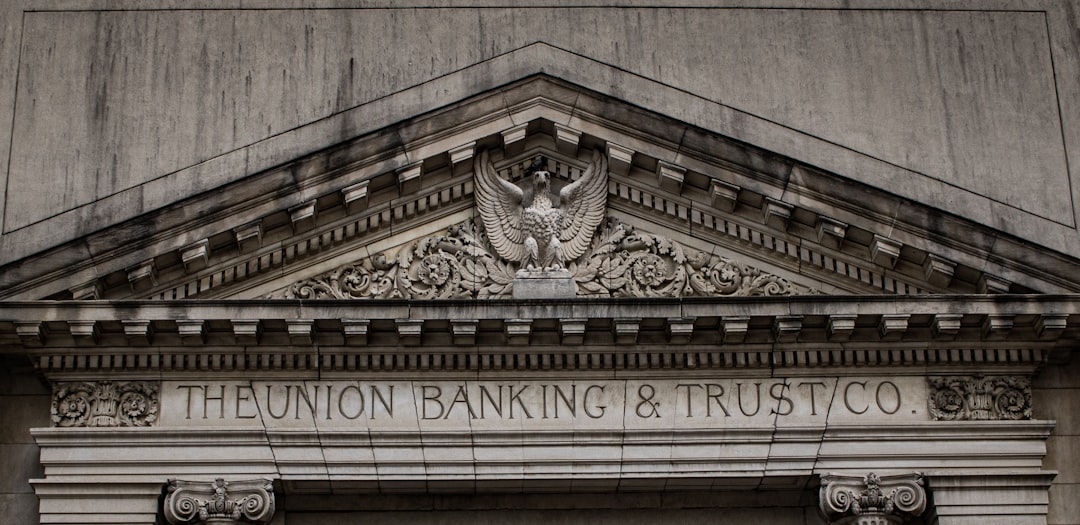
Banks are prioritizing crypto as experts, including Coinbase and Binance leaders, predict Bitcoin's 2026 supercycle could change the market forever.
The year 2026 is being earmarked as a pivotal one for the cryptocurrency market, with key industry figures anticipating a 'Bitcoin supercycle' that could reshape market dynamics. While some retail investors remain skeptical, major financial institutions and global banks are quietly moving to make crypto a central part of their strategies. Insights from Binance’s former CEO Changpeng Zhao (CZ) and Coinbase’s CEO Brian Armstrong shed light on this transformative shift.
Bitcoin’s Supercycle: A Structural Break from Tradition
Historically, Bitcoin has followed predictable four-year cycles. Price movements have been tightly wound to milestones like halving events, driving supply-demand dynamics. These cycles have typically seen an all-time high followed by a correction, resetting the process. However, CZ anticipates that 2026 could differ significantly. He suggests not just another rally but a structural shift—a 'supercycle'—driven by fundamental changes in market demand rather than speculative trading.
This supercycle isn’t about short-term price surges. Rather, it signals a deep transformation in the crypto space, propelled by institutional adoption, regulatory clarity, and broader market infrastructure. Traditional patterns of spikes and crashes could give way to steady, sustained valuation increases. This environment hinges not merely on sentiment but on significant changes in how cryptocurrencies integrate into global finance.
Institutional Demand and Market Infrastructure: The Missing Puzzle Pieces
Banks Repositioning on Crypto
The financial industry, long a skeptic of digital currency, is rethinking its stance. Brian Armstrong recently disclosed that during his discussions with the world’s largest financial institutions, crypto emerged as a top priority. A CEO of one major bank described crypto as “existential,” emphasizing the urgency to integrate.
This isn’t a matter of speculative investments. Institutions like UBS, which manage over $5 trillion in assets, are exploring Bitcoin and Ethereum trading programs for private clients. These efforts are calculated, prioritizing infrastructure like custody solutions and regulatory compliance before broader rollouts. The goal is to ensure stability and scalability.
Legislative Clarity Brings Confidence
For years, unclear regulation hindered crypto adoption. Uncertainty discouraged institutional participation and kept capital on the sidelines. However, recent developments have shifted sentiment. Laws like the Genius Act for stablecoin regulation and comprehensive market structure legislations are creating a roadmap for crypto adoption. These frameworks also enable banks and other institutions to treat digital assets as secure, collateral-grade investments.
French Hill, a pro-crypto advocate in Congress, reinforced this progress, discussing how lawmakers have structured a balanced approach to integrating crypto into traditional financial systems. With regulatory uncertainty diminishing, institutions now have a green light to deploy capital without fear of legal unpredictability.
Infrastructure Expansion
Regulation isn’t the only driver. The SEC’s decision to expand derivative frameworks by removing position limits on Bitcoin and Ethereum ETFs is ushering in higher liquidity. This institutional-grade framework supports deeper market activity, enabling efficient pricing and reducing reliance on volatile retail sentiment. Crypto is becoming less about speculation and blending into traditional portfolio strategies.
| Key Drivers of Bitcoin’s Supercycle | Description |
|---|---|
| Institutional Demand | More banks and wealth managers are integrating cryptocurrency trading platforms. |
| Regulatory Clarity | Laws like the Genius Act are addressing legal uncertainties, fostering adoption. |
| Market Infrastructure | Changes within the SEC and ETF expansions support liquidity and scalability. |
| Technology Convergence | Blockchains are increasingly seen as necessary infrastructure in banking and finance. |
Why 2026 Matters: The Strategic Pause Before the Surge
Strategic Scaling by Banks
Large banks are methodically moving into crypto. For instance, UBS’ Bitcoin pilot for its wealthiest clients highlights how cautiously capital is flowing into crypto ecosystems. Unlike retail-driven spikes, this dynamic represents long-term demand that prioritizes infrastructure and compliance.
Armstrong states that what he’s seeing now reminds him of the early internet. Just as companies like Amazon disrupted retail, blockchain threatens to shift traditional banking models. Stablecoins, fast on-chain settlements, and decentralized finance (DeFi) solutions have positioned themselves as viable alternatives to legacy systems.
From Retail to Sovereign: The Broadening Scope of Adoption
CZ believes the U.S.’s staunch support for crypto adoption is setting a global precedent. While price movements may remain volatile in the short term, the overarching trend suggests profound structural changes. Adoption is no longer confined to enthusiasts or speculators; governments and multinational institutions are coming onboard. This could chart Bitcoin's potential rise to the $200,000 or even $300,000 range—not as a speculative bubble but because supply and demand forces themselves are changing.
Practical Takeaways
If you're an investor or simply crypto-curious, here’s what you can learn:
- Focus on Long-Term Trends: Short-term volatility will exist, but the fundamentals—like infrastructure buildouts and institutional demand—are strong.
- Regulation as a Green Light: Instead of fearing regulations, view them as an on-ramp for institutional capital.
- Stay Educated About Market Shifts: Regularly update your knowledge of institutional crypto plans, as they indicate serious long-term commitments rather than retail-driven hype.
- Diversify With Patience: If CZ’s prediction of a supercycle holds, retail timing matters less than simply staying invested with a measured portfolio.
The Path Forward for Crypto and Bitcoin
The groundwork for a transformative moment in Bitcoin’s history is being laid. With banks pivoting towards blockchain and governments clarifying the rules, the market is evolving. Multiple factors, including tightened institutional custody solutions, better liquidity mechanisms, and high-level political support, are aligning to create the potential 2026 supercycle. While short-term risks remain, the long-term outlook for crypto appears more robust than ever.
For those waiting for signs of widespread adoption, the fact that major regulatory bodies, banks, and wealth managers are gearing up for large-scale integration is the clearest indicator yet. And if this supercycle materializes, 2026 could very well redefine the trajectory of both Bitcoin and the broader crypto industry.
Staff Writer
James covers financial markets, cryptocurrency, and economic policy.
Comments
Loading comments…


