Why Fine Jewelry Is Becoming a Popular Luxury Investment
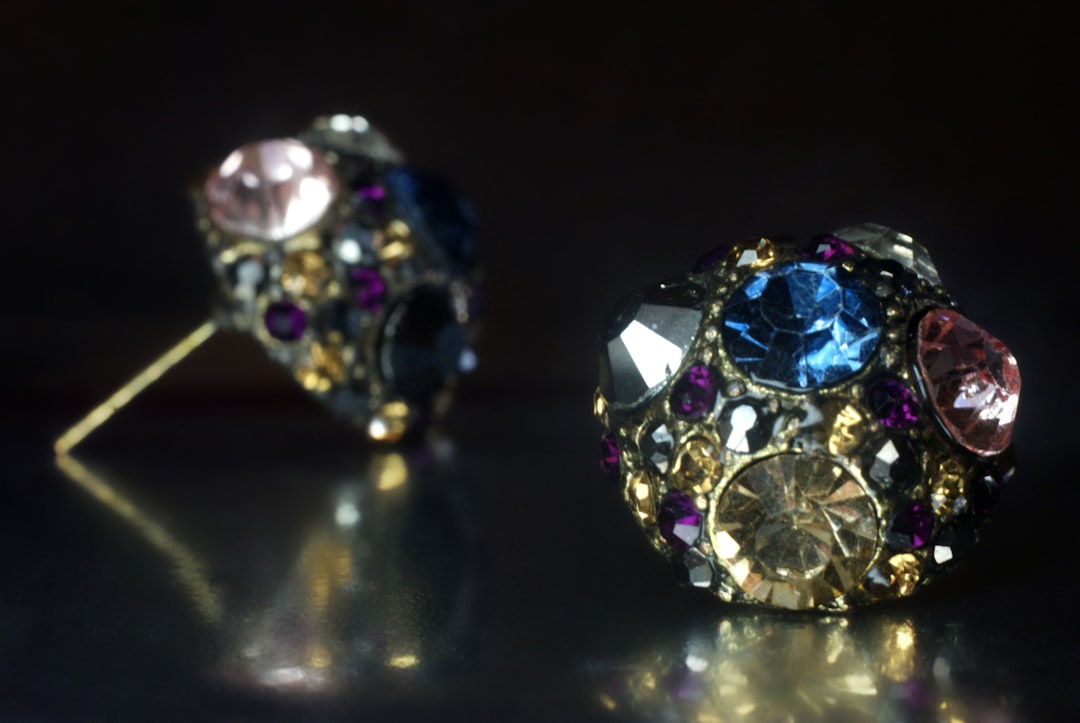
Fine jewelry is seeing increased demand as wealthy buyers seek tangible, lasting investments. Learn why gemstones and precious metals appeal in uncertain times.
The luxury market has been undergoing a shift, with buyers moving their focus from "soft luxury" items like handbags and accessories to "hard luxury" purchases, such as watches and fine jewelry. With iconic handbags like the Hermes Birkin losing their once-remarkable resale premiums, wealthy individuals are turning to fine jewelry as not just a fashion statement but also an investment in tangible assets.
The Decline of Handbag Resale Momentum
Handbags, long considered status symbols and often treated as collectibles, are beginning to experience a dip in resale value. For instance, the resale premium for Hermes Birkin and Kelly bags fell from 2.2 times retail price in 2022 to just 1.4 times retail by late 2023. This has shifted consumer interest toward more enduring luxury items, especially those with intrinsic, material-based value such as fine jewelry.
Why Fine Jewelry Stands Out
The growing appeal of fine jewelry lies in its unique combination of craftsmanship, status, and tangible value. High-end pieces made from precious metals like gold and platinum and adorned with rare gemstones often retain or even increase their value. Since their worth ties into commodity prices (e.g., gold or silver), their prices can rise alongside market fluctuations in materials.
Analysts from Bernstein suggest that part of this shift toward fine jewelry—estimated to account for about a third of the demand—relates to a "flight to safety" amid economic uncertainty. Unlike trendy or seasonal items, fine jewelry has a timeless quality that can serve as a miniature store of wealth.
Precious Metals and Tangible Value
Gold, silver, and platinum have long been prized for their scarcity and intrinsic value. Jewelry made from these metals often appeals to collectors not only for aesthetics but also for their stability as assets. When paired with rare stones, these pieces become even more desirable. Wealthy buyers find reassurance in owning physical, tangible assets during unpredictable economic times.
The Rise of Colored Gemstones
While diamonds have long dominated the jewelry market, there has been a surge in demand for colored gemstones like rubies, sapphires, and emeralds. Collectors are increasingly looking for alternatives to traditional diamonds, and these gemstones offer unique options. Unlike diamonds, which can now be mass-produced in labs, colored gemstones are far more challenging to replicate. Every high-quality sapphire, ruby, or emerald has its own unique characteristics, enhancing its appeal.
Growing Popularity in Engagement Rings
This trend is particularly evident in engagement rings. About a decade ago, colored gemstones adorned only about 5% of engagement rings. Today, that figure has grown to approximately 15%, with celebrities playing a significant role in promoting the trend. Iconic figures like Halle Berry, Kate Middleton, and Rita Ora have all chosen rings featuring vibrant gemstones over traditional diamonds.
The uniqueness and individuality of each stone resonate with buyers seeking something personal and rare. For many collectors, these gemstones are treated less like mere adornments and more like enduring pieces of art.
Auction Houses and the Art of Jewelry
Auction houses like Christie’s and Sotheby’s report that rare gemstones are fetching prices far beyond their original estimates, a clear indication of their investment potential. Some collectors view owning high-quality jewelry as akin to acquiring fine art—both embody status, beauty, and long-term worth.
However, experts stress that while jewelry may rise in value, it does not function as a traditional financial investment. Jewelry lacks liquidity compared to stocks or bonds and involves additional storage, insurance, and maintenance costs. Still, for individuals seeking a blend of artistry, utility, and tangible storage of wealth, fine jewelry remains a compelling choice.
Considerations for Potential Buyers
If you are considering investing in fine jewelry, here are some factors to keep in mind:
- Material Value: The price of metals like gold and gemstones can fluctuate with the market. Research commodity trends before investing.
- Authenticity and Certification: Always ensure your pieces come with proper documentation for authenticity and value.
- Insurance: Insuring luxury jewelry is crucial, as it is both valuable and portable.
- Storage: Secure storage adds long-term costs. Consider a safe deposit box for high-value items.
- Unique Demand: Gemstone values differ vastly depending on rarity, quality, and trends.
Fine Jewelry in an Uncertain Economy
As global economic uncertainty persists, luxury consumers are increasingly gravitating toward investments that offer security and visual appeal. Fine jewelry—a harmonious blend of tangible value, beauty, and craftsmanship—is becoming a popular choice for those looking to hedge against instability. Whether you view it as an heirloom or an artistic acquisition, fine jewelry offers more than just adornment—it presents lasting, tangible value that many find irresistible.
Staff Writer
James covers financial markets, cryptocurrency, and economic policy.
Comments
Loading comments…


