Why More Women Are Pursuing Skilled Trades Careers
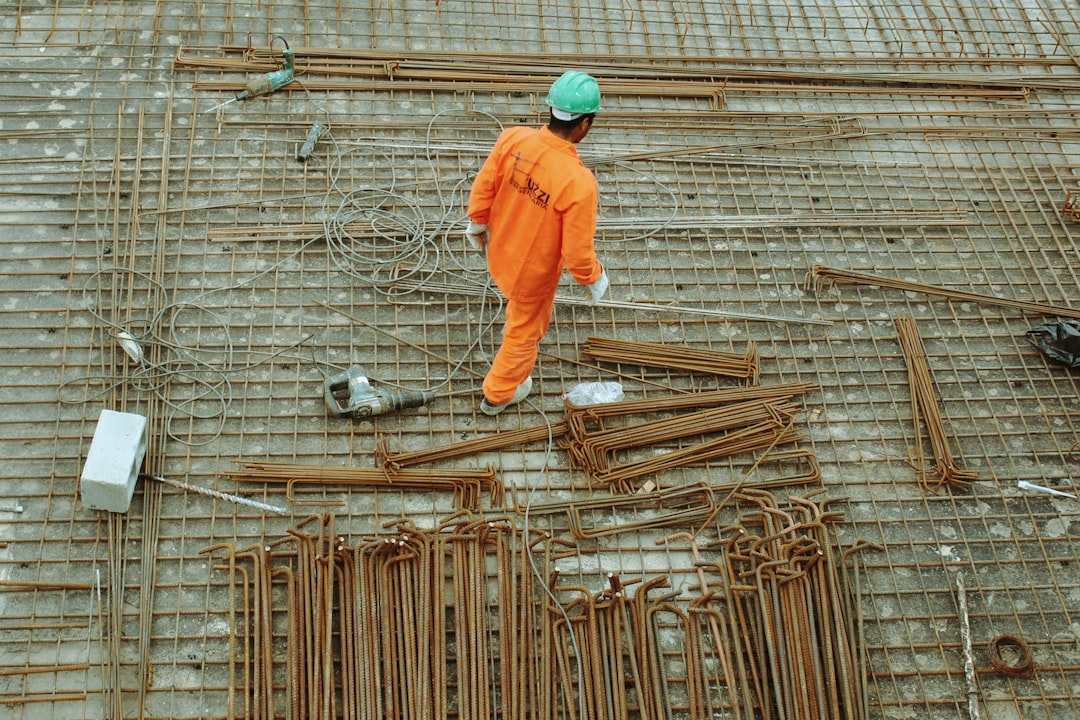
As AI reshapes white-collar jobs, skilled trades offer economic stability, growth, and rising salaries, attracting more women to historically male-dominated fields.
Jobs in skilled trades are seeing a surge in interest, particularly from women, as economic and technological factors reshape the U.S. labor market. While artificial intelligence (AI) and automation increasingly threaten job security in white-collar roles, positions in skilled trades like construction, plumbing, and electrical work remain resistant to AI advancements. Amid a severe labor shortage in blue-collar industries, women are stepping into these roles, chasing higher wages and greater economic security.
Skilled Trades: A Recession-Proof Career Path
Unlike many office jobs, which are becoming vulnerable to automation, work in skilled trades requires hands-on expertise that AI cannot mimic. Electricians, carpenters, and plumbers are among the professionals whose jobs are considered "AI-proof." Trade jobs depend on human ingenuity and physical application, ensuring their longevity even as automation transforms other industries.
This economic resilience is particularly critical now as corporate layoffs target white-collar sectors, creating an uncertain future for office-based careers. Skilled trades not only avoid this instability but also see a rising demand due to aging workforces and a construction industry struggling to fill key positions.
Opportunities Amid a Labor Shortage
Between 2026 and 2027 alone, the construction industry must attract nearly 806,000 new workers to meet demand. A significant challenge is the retirement cliff created by baby boomers aging out of the workforce. The skilled labor shortage is already costing the homebuilding sector $10.8 billion annually, putting further strain on the economy.
Women, who make up half the population, represent an untapped labor pool that could help bridge this gap. The recent increase in women joining skilled trades suggests a cultural shift. Electricians and carpenters have seen a rise in female participation, with women now comprising 17% of carpenters—a still modest but notable growth in a traditionally male-dominated field.
Rising Wages and Gender Equity
For women, pursuing careers in skilled trades is not only about job security but also economic empowerment. Wages in these industries have been rising steadily, with average starting pay increasing more than 25% between 2019 and 2024. These jumps in income often outpace inflation and provide a path to financial independence without the burden of student loan debt.
Unlike college degrees that can leave graduates with debt and uncertain career prospects, trade apprenticeships and training programs offer a faster, more affordable route to high-paying jobs. Many women entering skilled trades report being able to buy their first homes or earn six-figure salaries within just a few years of joining the workforce.
Narrowing the Wage Gap
One particularly compelling aspect is the potential for skilled trades to address gender wage inequities. Unionized construction jobs, for instance, often offer competitive salaries, strong pensions, and full health benefits. Women leading their households or navigating poverty find trades to be a viable solution to achieving economic stability.
Programs like Chicago Women in Trades provide hands-on training to prepare women for success in construction and other trade roles. These initiatives help second-career participants who previously struggled to earn livable wages in office jobs or other roles. By combining good pay with job security, trades offer a compelling alternative for women rethinking their career paths.
Barriers Women Face in Skilled Trades
Despite the progress, substantial barriers still prevent women from thriving in skilled trades. Women remain underrepresented, with only 3.5% of electricians, 3.1% of carpenters, and just 3.1% of plumbers in the U.S. as of 2025. Cultural biases, workplace discrimination, and harassment often discourage women from staying in trade careers.
Discrimination on the Job
While entering the trades creates economic opportunities, women frequently face challenges such as biased hiring practices. Some report being steered into office positions despite their qualifications for field roles. On job sites, women are often the first to be laid off when work slows down and last to be rehired, creating job instability.
Workplace harassment and limited access to skill development also hinder career advancement. Many female apprentices report not being offered the same variety of assignments as their male peers, leaving them at a disadvantage when seeking promotions or leadership roles. Addressing these systemic issues will be crucial for retaining women in skilled trades.
Fostering Inclusivity
Support networks like mentorship programs can mitigate these challenges. Having even one other woman on-site boosts morale, camaraderie, and retention for female workers. Federal initiatives like the Biden administration’s "Million Women in Construction Community Pledge" also aim to eliminate barriers. This program encourages unions, training organizations, and construction companies to expand opportunities for women in the field.
Skilled Trades and Economic Growth
The broader benefits of attracting women to blue-collar industries extend beyond individual gains. Women’s increasing spending power drives U.S. economic growth, with discretionary spending frequently outpacing men’s contributions. As more women enter skilled trades, their financial stability can have a ripple effect, boosting GDP.
A Sustainable Solution
However, simply recruiting women isn’t enough—retaining them in long-term careers is critical for resolving labor shortages. Creating inclusive workplace cultures, offering comprehensive training programs, and ensuring that women can ascend to leadership positions are essential steps. These measures not only support women but also address the broader skilled labor gap affecting industries nationwide.
Practical Takeaways for Aspiring Tradeswomen
If you're considering a career change or exploring your options post-high school, here’s why the skilled trades might be a smart choice:
- Lower Entry Costs: Trade schools and apprenticeships are more affordable than four-year colleges, often with no debt attached.
- Job Stability: Industries like construction and plumbing are labor-intensive, making them less susceptible to AI-driven disruption.
- High Earnings in Short Timeframes: Average starting wages are competitive, and experienced workers can reach six-figure incomes within years.
- Union Benefits: Many skilled trade organizations offer pensions, health insurance, and other perks that are increasingly rare in corporate roles.
- Diverse Roles for Women: Women are proving that skilled trades offer rewarding and secure careers, helping to narrow the gender wage gap.
Conclusion
Skilled trades represent an overlooked but highly promising career path for women seeking financial security and job growth. As the U.S. faces an acute labor shortage and shifting economic trends, the emergence of more women in blue-collar roles could be a transformative force. Removing workplace barriers, fostering inclusivity, and building specialized training programs will pave the way for even more significant strides in the years ahead. For women considering whether to pick up a toolbelt, the opportunities have never been greater.
Comments
Loading comments…


