Why Rising Gas Prices Hit Working-Class Families Harder
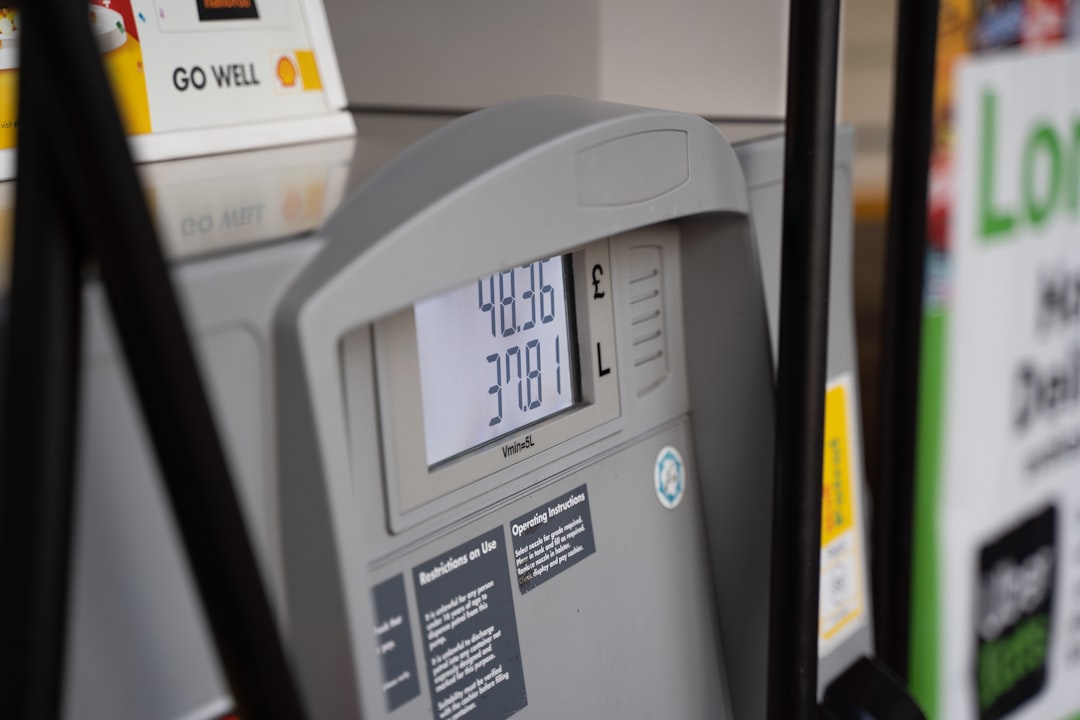
Rising gas prices are disproportionately impacting working-class families, exposing deeper inequities in how daily expenses affect different income groups.
Gas prices are climbing, and while everyone notices the extra dollars added to their fuel bill, the impact is far from evenly distributed. For working-class families, rising gas prices eat into a significantly larger portion of their income compared to wealthier households. This disparity reveals not only the unequal burden of fuel costs but also the broader economic inequities embedded in daily living expenses.
The Unequal Burden of Gas Price Increases
Economists often describe rising gas prices as a form of “hidden regressive tax.” The term highlights how lower-income individuals bear a larger proportional burden of rising costs. For someone living paycheck to paycheck, every jump in gas prices can translate to difficult trade-offs—like less money for groceries, rent, or utilities. By contrast, wealthier families, who typically dedicate a smaller percentage of their income to fuel, feel the pinch far less acutely.
A key reason behind this discrepancy is how much working-class families depend on their vehicles. Many lower-income jobs require commuting, and these workers often have no option to switch to remote work. Higher-income employees, on the other hand, are more likely to have access to flexible work-from-home arrangements, which can greatly reduce their reliance on a personal vehicle.
Moreover, the types of vehicles that people drive also shape the impact of fuel price hikes. Wealthy families are more likely to own fuel-efficient or electric vehicles, which mitigate the impact of higher fuel costs. For households struggling to make ends meet, older and less efficient cars—which are often their only affordable option—consume more gas and exacerbate the financial pressure.
A Broader Look: Inflation and Essential Expenses
Gas price increases are only part of a much larger issue. The same economic logic applies to other essential expenses like housing, food, and energy. These are costs that take up a disproportionate chunk of a lower-income household's budget compared to one with greater financial flexibility. When inflation affects these categories, the ripple effects are often devastating for low-income workers.
For example, consider rent or utility bills. A $50 monthly jump in energy costs represents a much greater hardship for someone earning $2,000 a month than it does for a person making $8,000. Similarly, rising food prices hit hardest for families that spend nearly their entire income on necessities. Unlike wealthier households, which might reallocate spending or dip into savings, working-class families frequently have no padding to absorb the extra costs.
The Problem with Regressive Expenses
The term "regressive" refers to costs or policies that take a larger percentage of income from low earners compared to high earners. Gas prices and sales taxes are classic examples of regressive financial burdens. For instance, sales taxes function much like an invisible drain on the income of people who already have less to spend. For every dollar a working-class family earns, a significant portion goes toward daily essentials subject to sales tax—leaving little to no chance for savings or investment.
In contrast, wealthier individuals tend to channel a smaller portion of their earnings toward taxed consumption. They can afford to save or invest a significant share of their income, shielding themselves from the compounding effect of regressive costs.
Why Progressive Tax Systems Exist
This inequity is one reason why many governments adopt progressive income tax systems. The idea isn’t to “punish” the rich but, rather, to balance out the structural financial disadvantages faced by lower-income groups. Higher income brackets contribute a larger share of their income in taxes to compensate for the ways the economy already stacks against those at the bottom of the income scale.
Without progressive taxation, the economic playing field becomes even more skewed. In the absence of redistribution mechanisms, working-class families shoulder a heavier proportional tax burden when you account for the regressive effects of sales taxes, gas prices, and inflation on essentials. This dynamic deepens the cycle of poverty, making it harder for people to climb out of financial precarity.
What Can Be Done?
Addressing the disproportionate impact of rising gas prices and inflation isn’t straightforward, but some steps could alleviate the burden on low-income households:
- Subsidies for Low-Income Drivers: Targeted fuel subsidies or vouchers could help working-class families cope with rising gas prices.
- Expanded Public Transit Infrastructure: Investing in reliable, affordable public transportation gives people more options beyond dependency on personal vehicles.
- Support for Remote Work: Policies that encourage or fund remote work setups for more industries could reduce commuting costs for a broader range of income groups.
- Incentives for Fuel-Efficient Vehicles: Programs to make electric and hybrid vehicles accessible to lower-income buyers could ease long-term reliance on fuel.
- Progressive Sales Tax Models: Essential goods, like food and clothing, could be exempt from sales tax, which would disproportionately help lower-income families.
A Reflection of Systemic Inequities
The gas price issue is just one example of how systemic economic inequities play out in everyday life. While higher-income individuals enjoy more options and buffers to manage cost increases, working-class families often operate with little margin for error. These dynamics reflect deeper structural problems in how expenses and taxes are distributed across income levels. Solutions must go beyond addressing immediate crises and instead tackle the root causes of economic imbalance.
As policymakers consider responses to rising gas prices and inflation more broadly, it’s critical to center the needs of those who are most impacted. Failing to do so will not only perpetuate existing inequalities but make them worse, even as the economy continues to grow on paper.
Staff Writer
James covers financial markets, cryptocurrency, and economic policy.
Comments
Loading comments…


