Why Tom Lee Believes the S&P 500 Could Hit 7700 Despite Geopolitical Risks
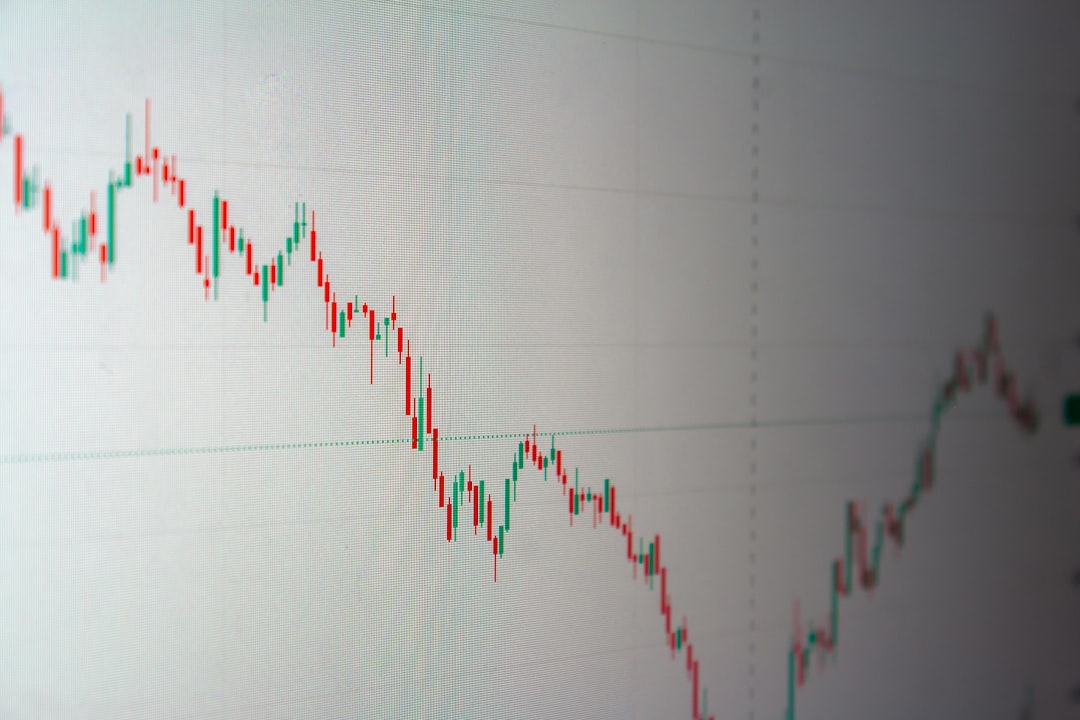
Tom Lee predicts the S&P 500 to reach 7700 by year-end, citing market resilience amid global tensions and historical trends.
Fundstrat Global Advisors’ Chief Investment Officer, Tom Lee, remains confident that the S&P 500 will close 2023 at 7700, despite ongoing geopolitical tensions impacting global markets. The prediction suggests a robust 16% upward potential from current levels. Lee’s analysis draws on both historical market behavior and the market's pricing strategies during times of crisis, encouraging investors to focus on long-term opportunities rather than short-term uncertainty.
A Conservative Estimate with Room for Growth
Tom Lee stated that his year-end S&P 500 target of 7700 was conservative when first proposed. He highlighted that markets have been steadily revaluing on a price-to-earnings (P/E) ratio basis. "We’re assuming only modest P/E expansion to reach 7700," said Lee. He explained how markets often adjust quickly to looming uncertainties, such as conflicts or geopolitical risks, before shifting focus back to the potential for growth.
Historically, periods of war or geopolitical turmoil have presented investors with unexpected opportunities. Recalling past market trends, Lee noted that, in major war events, markets typically bottom out early in the conflict. “The opportunity emerges as markets shift their focus from crisis to recovery," Lee emphasized during his CNBC interview.
Geopolitics and Market Sentiment
While the Israel-Iran conflict has weighed on investor sentiment, Lee remains focused on broader economic strength. Historical adages such as "buy on the sound of cannons" epitomize his stance, indicating the market's ability to rebound after initial shocks. According to Lee, "investors are quick to price in the downside risks, but they often undervalue the opportunities that emerge shortly thereafter."
Addressing concerns raised about investor complacency, Lee disagreed with the notion that markets appear overly optimistic. He argued that multiple sectors have already experienced corrections over the past year, signaling that investors were taking proactive steps to de-risk their portfolios. "Energy has been in a bear market for three years, and the tech sector has undergone significant downturns," he pointed out. These sector-specific struggles may have helped buffer broader indices from sharper declines.
Comparative Stock Market Performance
Historically, midterm election years involve heightened market volatility. On average, the S&P 500 drops about 15% during such years. However, current market performance defies this trend, as the index is down only around 5% so far in 2023. Lee attributes this smaller decline to early de-risking by investors and the market pricing in geopolitical uncertainties even before the recent conflict escalated.
"Gold's recent parabolic movement is a testament to how markets were already preparing for geopolitical disruptions," Lee explained, suggesting that many investors had shifted capital into safe-haven assets as tensions built globally.
Emerging Markets and Gold Outperform
Lee also emphasized how emerging markets and gold performed exceptionally well in 2022 compared to U.S. stocks. These alternatives offered competitive returns, underscoring the importance of a diversified investment strategy during geopolitical uncertainty. Emerging market corrections this year have amplified U.S. markets’ comparative stability, further highlighting the resilience of domestic indices.
Key Takeaways for Investors
- Historical Patterns Favor Resilience: Markets tend to recover earlier than expected during conflicts, offering opportunities for long-term investors.
- Sector Corrections Signal Adjustment: Declines in energy, tech, and financials have already set the stage for broader market recovery.
- Midterm Election Year Trends: With the S&P 500 down approximately 5% so far, the smaller decline compared to historical averages suggests cautious optimism among investors.
- Diversification is Key: Gold and emerging markets proved to be advantageous in 2022, but U.S. equities still show strength moving forward.
By focusing on these dynamics, Tom Lee’s outlook provides a counterbalance to widespread fears. Instead of reacting to short-term instability, Lee stresses the importance of maintaining a longer-term perspective that recognizes market resilience over time.
Conclusion
Tom Lee’s 7700 S&P 500 target is rooted in both historical precedent and current market dynamics. While geopolitical risks and investor complacency remain concerns for some, Lee highlights the proactive de-risking of recent years as a foundation for optimism. Coupled with the historical resilience seen during wartime, the U.S. stock market could defy expectations and deliver meaningful gains by year-end.
The ability to discern opportunities amid uncertainty will define successful investors in 2023. While challenges such as the Iran crisis persist, history suggests that markets can recover sooner than anticipated, offering significant growth for those who focus on the longer term.
Staff Writer
James covers financial markets, cryptocurrency, and economic policy.
Comments
Loading comments…


