Why Your Crypto Portfolio Underperforms Despite Looking Diversified
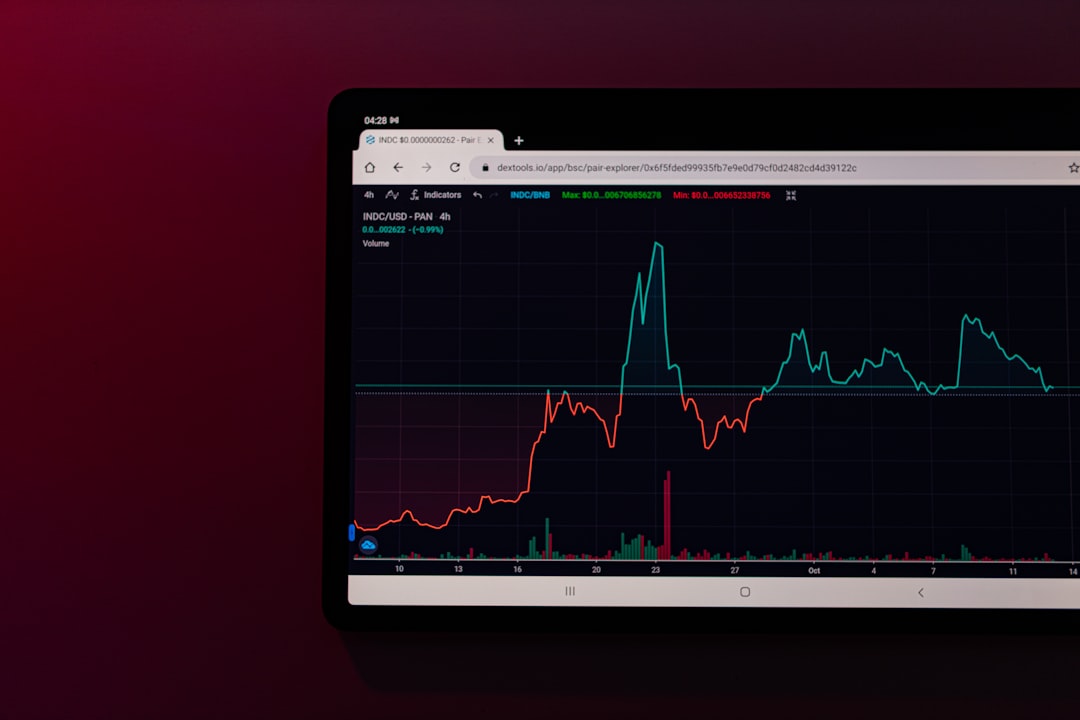
Discover why your crypto portfolio might be underperforming in 2026 despite appearing well-constructed and learn how to optimize for sustainable growth.
Why Does Your Crypto Portfolio Fail Despite Looking Right?
If your crypto portfolio contains Bitcoin, Ethereum, and a few altcoins, you may think you're diversified. But despite this confidence, many investors still underperform in 2026, watching as the market gains consistently outpace their returns. This disconnect stems not from the choices of assets themselves but from structural misalignment and outdated assumptions about diversification and risk.
The Illusion of Diversification
One of the most significant issues plaguing today's crypto portfolios is the false sense of diversification. You might hold a range of assets—Bitcoin, Ethereum, Solana, Chainlink—but this doesn't necessarily mean you're protected against losses or primed for gains.
Correlation Risk
The crypto market remains heavily correlated. As of 2026, over 90% of cryptocurrencies largely move with Bitcoin. If Bitcoin's price drops by 15%, altcoins can plummet by 25% or more. Conversely, during a market rally, altcoins often fail to match Bitcoin's percentage returns.
This high correlation means that even a portfolio spread out across 10 or more coins may essentially represent a leveraged bet on Bitcoin's performance.
True Diversification
Diversification means holding assets that don’t move together. Traditional financial portfolios split wealth across stocks, bonds, real estate, and commodities to manage risk. The crypto market's parallel would involve:
- Bitcoin as the digital gold
- Ethereum as the essential market layer
- Stablecoins to preserve liquidity and seize opportunities
- DeFi tokens or Layer 2 ecosystems as growth avenues with varying risk profiles
- Carefully chosen speculative projects like AI crypto or niche tokens.
Position Sizing: A Common Overlooked Factor
Position sizing often dictates a portfolio’s long-term success. Many investors allocate based on emotions—pouring considerable funds into coins they “believe in”—rather than employing a disciplined risk strategy. For example, placing 40% of your holdings in a single volatile mid-cap altcoin exposes your portfolio to imbalance and severe drawdowns.
A better approach involves smaller allocations for speculative assets, while the majority remains in less volatile, more liquid assets. For example:
| Asset Type | Recommended Allocation |
|---|---|
| Core (BTC, ETH) | 50–70% |
| Growth Layer (altcoins) | 20–40% |
| Liquidity (stable assets) | 10–20% |
Measuring Portfolio Performance: The Bigger Picture
Most investors focus solely on their overall gains or losses. While this is a starting metric, it neglects a critical consideration: benchmarks.
The Right Benchmarks
To evaluate how well your crypto portfolio performs, you should compare against:
- Bitcoin: If Bitcoin doubled during a market rise but your portfolio increased only 40%, your effort to diversify underperformed a simple Bitcoin allocation.
- Ethereum: Ethereum often offers a closer reflection of broader market sentiment, especially given its usability and adoption growth.
- Overall Market Cap: Use this as a yardstick for evaluating your actively managed portfolio.
Volatility Adjusted Returns
Two portfolios yielding the same 30% annual return can differ fundamentally in risk. If one portfolio achieved this with smooth growth, while another endured a 60% pullback mid-year, the latter likely led to emotional decision-making (selling low or panic adjustments) that caused greater long-term damage.
The Emotional and Psychological Landmines
The Narrative Trap
Crypto relies on compelling narratives to drive investment. You might buy into a project because you believe in its technology, use cases, or founding team. However, attachment can lead to losses when the project's fundamentals or market environment shift. Ask yourself:
- “Would I buy this asset at its current value, given today’s market and development conditions?”
If the answer is no, you’re holding due to bias—possibly the sunk cost fallacy. Updating your strategy based on current narratives, not outdated beliefs, is crucial.
The Timing Illusion
Finding a winning asset before its breakout often seems like the holy grail. However, being early equates to being functionally wrong until the market aligns. Holding assets that stagnate for months—or years—ties up capital you could deploy elsewhere for steady compounding returns.
The solution? Limit early-stage investments to 2–3% of your portfolio as you wait for narratives and adoption to develop.
Building an Architected Portfolio
Rather than a collection of ad hoc investments, your portfolio should function like a well-constructed system, ensuring each piece has a specific, deliberate role. Here’s how:
-
Define a Core:
- Bitcoin and Ethereum should form your foundation, given their deep liquidity and regulatory clarity. Together, they provide stability in turbulent markets.
-
Incorporate a Growth Layer:
- Underfunded but promising tokens—such as emerging Layer 2 projects or leading DeFi platforms—should make up a smaller percentage of your allocations.
-
Maintain Liquidity:
- Stablecoins or highly liquid assets allow you to capitalize on flash sales and market corrections. This approach not only lowers portfolio risk but supports proactive investment moves.
-
Balance Risk With Reward:
- Avoid over-allocation to trending sectors. For example, while AI crypto saw significant hype in the mid-2020s, chasing trends with oversized investments often results in losses.
Practical Takeaways
- Reassess your diversification: If most assets correlate with Bitcoin, expand into stable assets or projects within fundamentally different niches.
- Measure effectively: Compare your returns not just against dollar value but key benchmarks like Bitcoin and Ethereum.
- Allocate intentionally: Include a stable liquidity pool for times of opportunity.
- Detach from bias: Regularly assess every position’s current value and opportunity.
- Focus on architecture, not collection: Build a portfolio with each asset playing a specific role rather than cobbling it together.
Conclusion
In the complex crypto market of 2026, achieving real, sustainable performance requires more than picking good individual assets. The connections between your portfolio allocations, risk distribution, and your reaction to market-wide narratives play pivotal roles. By understanding these dynamics and building a portfolio based on structure rather than sentiment, investors can mitigate underperformance and create a balanced, scalable strategy for the years ahead.
Staff Writer
James covers financial markets, cryptocurrency, and economic policy.
Comments
Loading comments…


