AI in gaming under scrutiny: artistry, innovation, and backlash
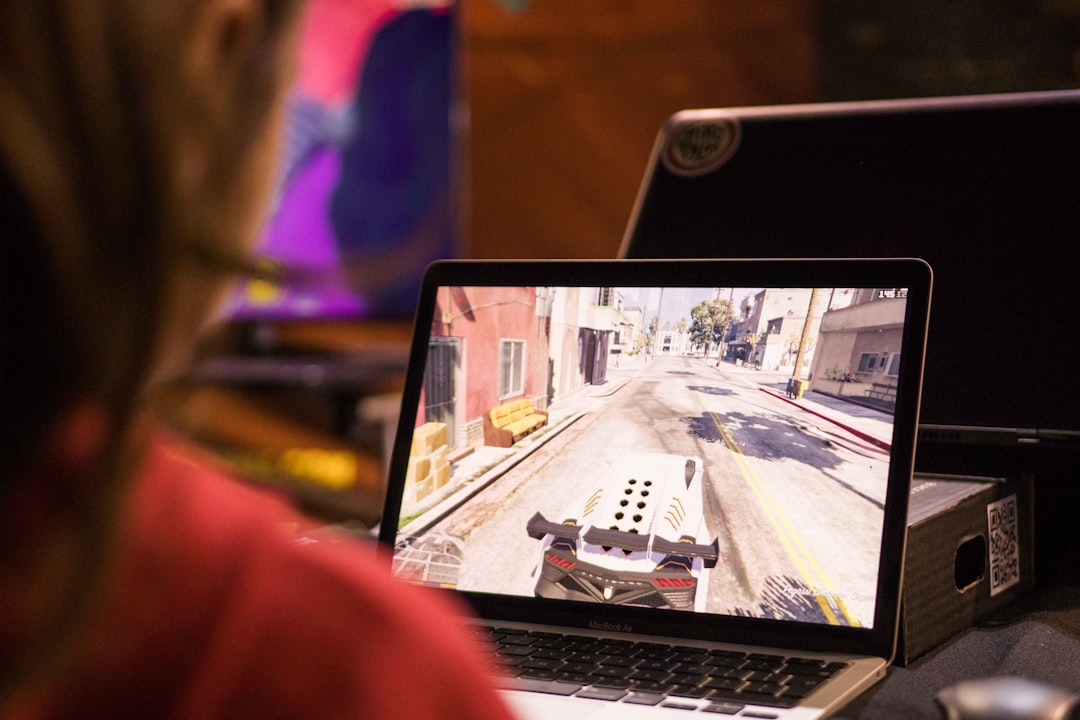
The gaming industry wrestles with AI's role, from Nvidia's DLSS 5 backlash to hand-drawn remasters outpacing AI upscaling in popularity.
The evolving role of AI in video game development has sparked a wave of lively debate across the industry, with recent controversies highlighting both the promise and pitfalls of artificial intelligence. From backlash against Nvidia’s DLSS 5 trailer to indie studios rejecting AI upscaling in favor of traditional artistry, the conversation reflects an industry at a crossroads.
Nvidia Under Fire for DLSS 5 Trailer
One of the major flashpoints in AI-related gaming news is Nvidia’s recently pulled DLSS 5 trailer. According to multiple reports, the promotional video prominently showcased AI-generated assets, earning the ire of both the gaming community and high-profile developers. Critics claimed the use of AI compromised the artistic integrity of the original content. One developer went so far as to issue a copyright strike against Nvidia, claiming unauthorized use of their work. This controversy highlights the precarious tightrope tech companies must walk when promoting AI-driven tools. While Nvidia has positioned their Deep Learning Super Sampling technology as a cutting-edge solution for improving graphics, the scandal underscores how sloppy execution can backfire.
OpenAI Faces Legal and Ethical Hurdles
Meanwhile, the broader AI landscape is grappling with regulatory backlash. OpenAI, the company behind ChatGPT, is under investigation by the FTC for its potential to generate false information—known as "hallucinations"—and for data privacy concerns. This scrutiny signals a larger push for governance of large language models. Critics argue that AI tools like ChatGPT fail to provide reliable information for newcomers. As one commentator noted, "If you’re learning something new for the first time, do not use AI to learn about it. You need to know enough to know when the AI is wrong."
Though unreliable for gaining entirely new knowledge, AI still proves useful in specific contexts—if users engage critically. The industry faces a challenge to improve accuracy while navigating potential legal frameworks that could restrict AI advancements.
Indie Studios Reject AI Tools, Gain Community Support
While some studios experiment with AI, others are taking hardline stances against its use in creative processes. Revolution Software, known for its Broken Sword series, recently abandoned AI upscaling technology, citing significant dissatisfaction with its results. For their upcoming remaster of Broken Sword: Shadow of the Templars, they instead opted to hand-draw 55,000 unique animation frames. This decision paid off, as they raised more than $400,000 through a Kickstarter campaign within just 15 minutes. Similarly, the studio behind Phantom Blade Zero announced that all content in their game—ranging from character designs to maps—would be crafted by hand to emphasize human creativity over algorithmic convenience.
Both cases illustrate that while AI tools promise efficiency, there’s undeniable community demand for authentic, human-made content. The backlash against so-called "AI slop" and support for hand-crafted artistry suggest that many gamers value creativity and uniqueness over technological shortcuts.
Sony’s Fight Against Shovelware
AI’s reputation suffers even more when associated with shovelware—games with minimal effort or quality, often pumped out en masse to pad publishers’ profits. Sony has ramped up efforts to purge these low-quality titles from its PlayStation Store. Recent deletions included over a thousand games from Thai games, once the fourth-largest publisher on the platform, known for a steady stream of “leech games.”
These titles, often leveraging AI-generated assets, flooded the storefront with copycat visuals and misleading titles. For example, one game titled I Am Busy Digging a Hole was deleted for mimicking a more successful game, A Game About Digging a Hole. Many were also trophy “farms” that offered little gameplay beyond rewarding easy achievements, effectively crowding out genuine indie efforts from visibility. Sony’s aggressive stance aims to restore the storefront's quality and foster a better experience for real developers.
Transformative Uses of AI: A Heartwarming Exception
In contrast to the gaming context, AI is still showing promise in other domains. A recent report shared an inspiring story of an Australian man using AI, specifically ChatGPT and Alphabet's AlphaFold, to develop an mRNA-based vaccine for his terminally ill dog. The advanced AI tools analyzed DNA data, predicting protein structures to create a personalized treatment that extended the animal’s lifespan. The case exemplifies how AI, when responsibly applied, can achieve transformative outcomes.
Balancing Innovation and Creativity
The current wave of discussions around AI tools reveals a divided gaming industry. While some see AI as a productivity enhancer, others worry it will erode the artistic core of game development. Developers like those at PUBG Studio advocate for AI when used as a tool to streamline repetitive tasks, provided it doesn’t diminish the overall quality of the game. Head of PUBG Studio, Tac Yang, likened AI usage to traditional development tools intended to assist, not replace, human creativity.
At the same time, backlash against poorly implemented AI suggests that tech companies and developers will face intense scrutiny over when, how, and why AI tools are deployed. The pivotal question remains: Can the industry strike a balance where both innovation and artistry thrive?
Staff Writer
Zoe writes about game releases, indie titles, and gaming culture.
Comments
Loading comments…


