Bexar County Crime Lab Faces Severe Backlog: Challenges and Proposed Solutions
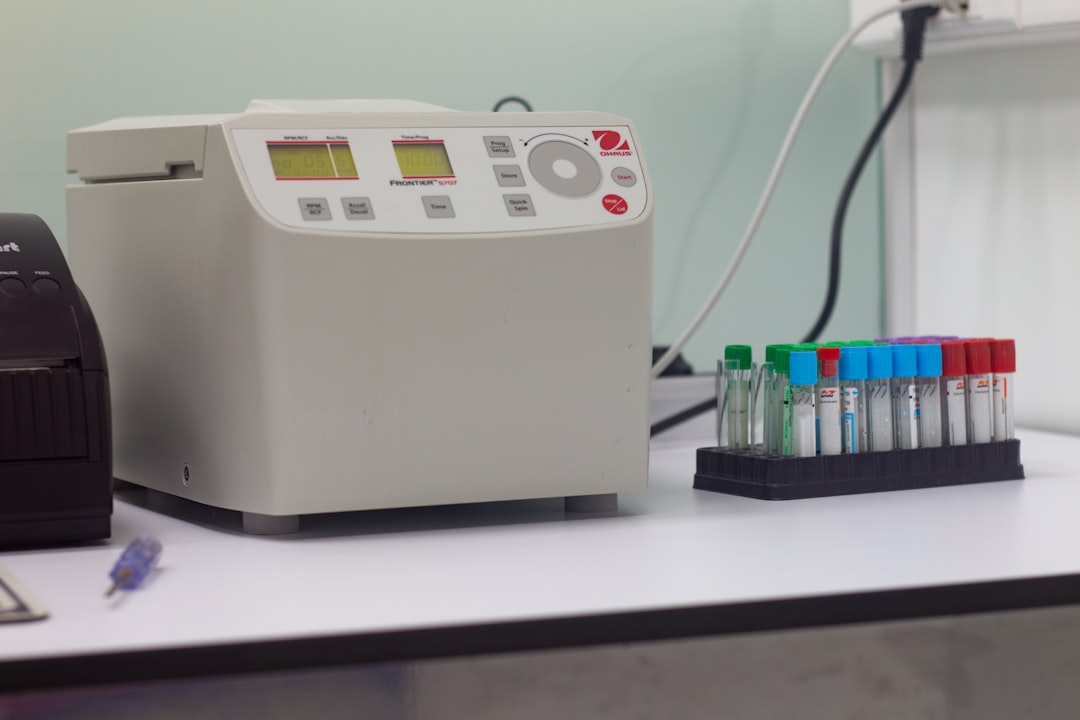
The Bexar County Crime Lab struggles with thousands of backlogged cases across firearms, drugs, and DNA, impacting criminal case resolutions.
The Bexar County Crime Lab is grappling with a massive backlog of thousands of cases, significantly impacting the efficiency of addressing criminal investigations in the area. The lab processes evidence related to firearms, drugs, and DNA, three critical categories for modern forensic analysis. In light of the backlog, questions are mounting about the delays and what is being done to resolve them.
The Scope of the Problem
When crimes involving firearms occur in Bexar County, evidence such as bullets, cartridge cases, and even tool marks are sent to the lab for analysis. The issue, however, is not limited to firearms. DNA evidence, a cornerstone in solving both current and cold cases, and drug analysis are equally affected. Such delays can stall criminal trials, leaving both victims and the accused in limbo.
A staff reporter recently confirmed the scale of the problem after conversations with the lab's director. Over the past five years, data shows that the lab has struggled to keep up with incoming cases, further exacerbating the backlog.
The Challenges at the Crime Lab
One of the leading factors contributing to the backlog is the specialized expertise required to conduct thorough forensic analyses. For instance, if a tool is used to forcibly enter a property, markings left at the scene must be matched to specific tools. This type of examination demands highly trained forensic experts who are not just scarce but also burdened with court appearances to testify during criminal trials.
It’s not just a matter of staffing. Factors such as aging equipment, underfunding, and increasing evidence submissions due to heightened criminal activity have also been cited as contributing issues. Labs across the nation often face similar challenges, but the growing caseload in Bexar County has brought these limitations into sharp focus.
A Broader Impact on Justice
Delays in forensic analysis have a cascading effect on the justice system. Prosecutors rely on timely evidence to build their cases, and prolonged delays can compromise the integrity of criminal trials. Witnesses may forget key details over time, and defendants could face extended pretrial custody or unnecessary legal uncertainty.
Moreover, delays in DNA testing can affect investigations involving major crimes such as sexual assault or homicide. This evidence is often the linchpin in delivering justice, making every day of delay critical.
Efforts to Address the Issue
The lab’s director has stated that efforts are underway to tackle the backlog, although specific plans were not detailed in the conversation. Typically, such efforts might include hiring additional forensic analysts, upgrading technology to expedite analysis, and streamlining processes to prioritize cases with the highest impact.
Enhanced funding, either from state or federal sources, could also help alleviate the issue. The crime lab may need to request additional resources to handle the growing demand for forensic testing. Another potential solution involves outsourcing certain tests to private forensic labs to distribute the workload, a practice increasingly common across several states.
What’s Next?
Addressing the backlog at the Bexar County Crime Lab will require a multi-pronged approach and the cooperation of various stakeholders. While the lab has a critical role in supporting the local criminal justice system, the backlog serves as a reminder of the need for sufficient funding and resource allocation.
The extended delays not only strain the system but also challenge the framework of timely justice. Without significant intervention, the lab risks continued struggles in delivering on its crucial role, directly affecting victims, defendants, and broader community safety.
Staff Writer
Zoe writes about game releases, indie titles, and gaming culture.
Comments
Loading comments…


