Crimson Desert: The 10 Most Frustrating Problems Players Face
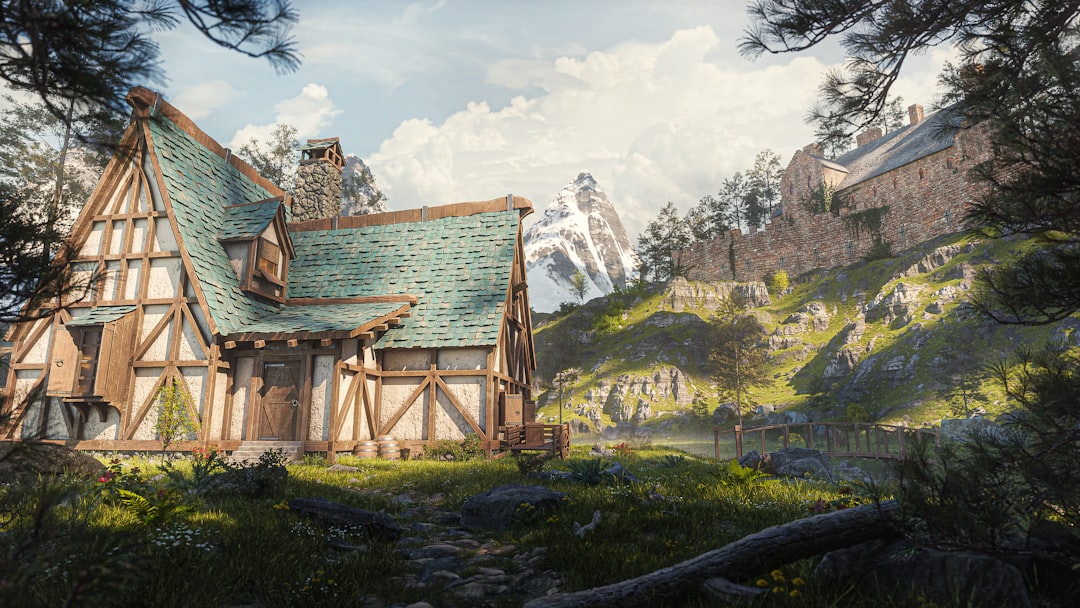
Crimson Desert offers stunning visuals and an expansive open world, but players have pinpointed several gameplay issues that detract from the experience.
Crimson Desert, developed by Pearl Abyss, has generated plenty of buzz since its release. The game boasts stunning visuals, a sprawling open world, and impressive polish on many levels. However, beneath its awe-inspiring exterior lies a host of gameplay challenges that have players scratching their heads. While it's clear the developers put significant effort into certain aspects, many design choices have left the gaming community divided. Here are 10 of the most frustrating aspects of Crimson Desert, based on extensive player feedback.
1. A Slow and Confusing Tutorial
One of the most prominent criticisms of Crimson Desert is its notoriously sluggish opening. Players are introduced to a multi-hour tutorial that has been described as bland, disjointed, and lacking clear purpose. Early objectives often feel arbitrary, such as arm wrestling for a coin or descending into sewers for unclear reasons. For a game with such potential, asking players to stick with it for eight hours before it "gets good" is a steep demand. The lack of logical flow between events has left many bewildered. While the tutorial introduces some crucial systems, its execution has deterred players from fully diving in.
2. Limited Inventory Space
Crimson Desert struggled at launch with its restrictive inventory system, which left players juggling excessive amounts of loot without a proper storage solution. Initially, there wasn’t even a stash for excess items—an omission that baffled many given the game's emphasis on crafting and collecting. While a patch introduced a personal stash later, players still bristle at the idea that inventory management wasn’t adequately addressed pre-launch. Even post-patch, the issue persists to some extent, as upgrades to expand inventory space require considerable effort.
3. Frustrating Camera System
A game designed to immerse players in a dynamic open world should have a seamless camera system, but Crimson Desert misses the mark here. Complaints range from the camera swinging wildly during combat to fixating on the ground during critical moments. While there are customization options to tweak controls, they don’t eliminate the frequent disorientation many players experience. The camera struggles to track enemies during fast-paced encounters, particularly with teleporting bosses, and often feels unpolished compared to similar games with cinematic camera setups.
4. Thin and Unengaging Storyline
Players who value narrative are likely to be let down by Crimson Desert. The main storyline, which revolves around reuniting the protagonist’s clan, lacks substance and struggles to deliver compelling characters or memorable dialogue. Cliff, the protagonist, often comes across as lifeless, while his companions feel like one-dimensional stereotypes. Long and unskippable cutscenes exacerbate the problem, dragging on without offering much emotional payoff or weight to the plot. Side quests fare no better, often boiling down to mindless tasks like gathering or mini-games, further highlighting the missed potential of the game's narrative design.
5. Complex and Convoluted Controls
Crimson Desert’s control scheme has drawn plenty of ire, particularly for its attempt to mimic the unconventional setup of Red Dead Redemption 2. While the slower pace of RDR2 aligns with its immersive tone, it feels out of place in a game like Crimson Desert, where combat can be chaotic and fast-paced. Basic mechanics like double-jumping and grappling require awkward button combinations, and abilities often demand absurdly complicated input sequences. While some players appreciate the deviation from standard controls, most find them unnecessarily cumbersome and poorly suited to the gameplay's frenetic pace.
6. Mandatory Grinding
An open-world RPG often comes with grinding, but Crimson Desert places significant emphasis on repetitive tasks, making progress feel like a chore at times. Collecting resources for crafting or upgrading equipment requires substantial time investments, and high-level crafting introduces even more complexity with additional rare and elusive materials. Early game grinding proves especially tedious, as players gather minimal amounts of resources for basic upgrades. Although fans of survival mechanics might tolerate this design, many have criticized the grind as excessive and poorly balanced against the progression curve.
7. Disjointed Systems and Mechanics
One of the recurring criticisms is that Crimson Desert feels like a mishmash of gameplay systems with no clear cohesion. Players have drawn comparisons to late-stage MMORPGs cluttered with features that feel tacked on rather than fully developed. Fishing, housing-like mechanics, crafting, and other subsystems are introduced yet offer little depth or meaningful interaction. The result is a game that feels both massive and shallow—an open world filled with mechanics that fail to leave a lasting impression.
8. Pacing Problems
The ambitious scale of Crimson Desert also creates significant pacing issues. Beyond the sluggish tutorial, moments of interesting gameplay are diluted by long stretches of uninspired objectives. Even when the game introduces high-pressure missions or exciting locations, they’re often padded out with filler tasks that slow the momentum. The balance between exploration, storytelling, and gameplay feels uneven, impacting the overall flow of the experience.
9. Unclear Objectives
Particularly in its early stages, Crimson Desert struggles to communicate its goals effectively. Players are left wandering from task to task without any real sense of purpose. Objectives feel random or forced, and the lack of character dialogue or internal monologue to provide context compounds the issue. This aimlessness can frustrate users used to well-structured narratives or open-world games that present clear motivations.
10. Post-Launch Recovery Efforts
To Pearl Abyss' credit, the developers have been addressing player concerns with regular updates and patches. Features like inventory storage were added post-launch, and controls have been made slightly more responsive. However, some players feel that these fixes suggest the game may have been rushed to release without proper refinement. While future updates may smooth over many rough edges, there’s frustration that the product wasn’t more polished at launch.
Where Does Crimson Desert Go From Here?
Despite these issues, Crimson Desert isn’t without its redeeming qualities. It’s a visually striking game with moments of genuine beauty and staggering ambition. However, its design inconsistencies and frustrating systems weigh heavily against its potential. If Pearl Abyss continues to listen to its community and implement meaningful changes, the game may reach the heights players hoped for. For now, Crimson Desert remains a polarizing title—a unique yet flawed journey through a beautifully constructed world.
Staff Writer
Zoe writes about game releases, indie titles, and gaming culture.
Comments
Loading comments…


