Debunking DLSS 5: What Gamers Need to Know About the Controversy
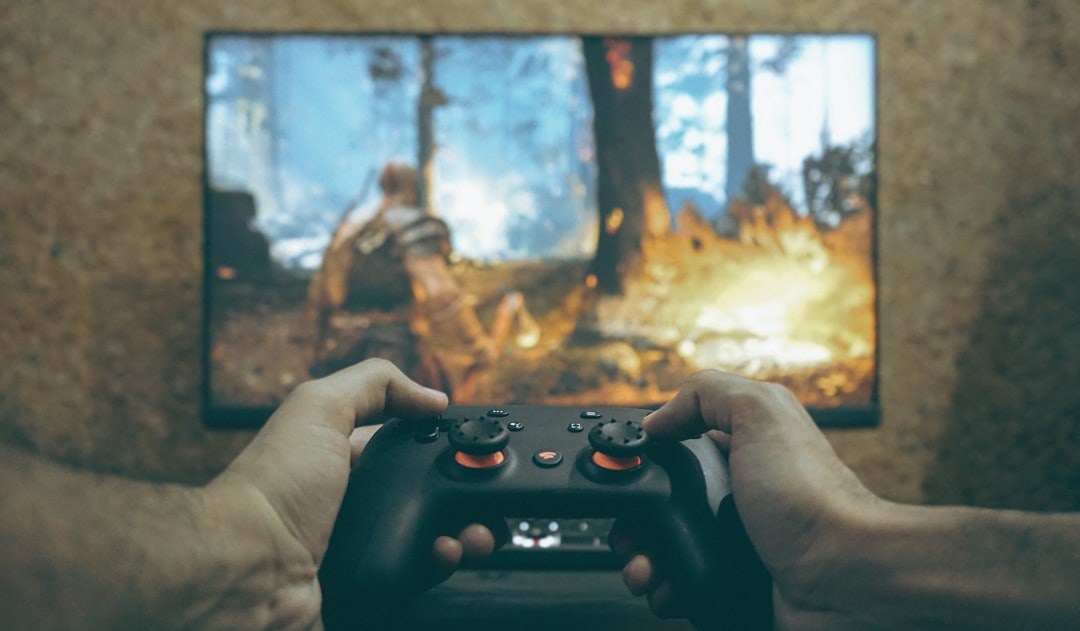
DLSS 5 has sparked a debate among gamers as concerns rise over its visual fidelity and potential misuse. Here's what you need to know.
DLSS, or Deep Learning Super Sampling, has long been celebrated for revolutionizing how games achieve high-quality visuals without requiring exorbitant hardware power. But with the introduction of DLSS 5, many gaming enthusiasts are raising questions about its effectiveness and its implications for the future of gaming visuals.
What is DLSS?
DLSS is an AI-powered rendering technology developed by NVIDIA. Its primary aim is to enhance gaming performance by upscaling lower-resolution images into higher resolutions, effectively reducing the strain on graphics cards. Previous iterations, such as DLSS 2 and DLSS 3, were widely praised for their ability to sharpen image quality while improving frame rates.
The DLSS 5 Controversy
DLSS 5, the latest iteration, has not been met with the same applause as its predecessors. Many gamers and industry voices are skeptical of its visual results, describing them as unappealing or even cartoonish. One key complaint likened the visual output to "your mom's Snapchat filter," implying that DLSS 5 overprocesses images and introduces an artificial, over-stylized look that detracts from gaming realism.
The criticism extends beyond aesthetics; there are fears that such heavy reliance on AI rendering could discourage innovation among developers. A growing concern is that future games might cut corners in areas like texturing and environmental design, relying entirely on AI tools like DLSS to "clean up" subpar visuals.
How Does DLSS 5 Compare to DLSS 4?
Many gamers agree that DLSS as a technology has been transformative. DLSS 4, for example, was praised for improving the performance and look of games that otherwise struggled to run smoothly. By delivering smoother lines and fewer jagged edges, DLSS 4 stayed true to its promise of balancing improved frame rates with strong visual fidelity.
DLSS 5, on the other hand, seems to have missed the mark. Whereas its predecessor struck an effective balance, DLSS 5 introduces a level of synthetic enhancement that many in the gaming community find distracting. Gamers have expressed disappointment, as the overwhelming consensus is that DLSS 5 prioritizes stylistic choices over the realistic aesthetics demanded by modern gaming.
Potential Impact on Game Development
A deeper layer to the controversy lies in how DLSS 5 might shape the future of game development. If AI upscaling technologies like DLSS are overly relied upon, it could lead to cost-cutting measures that affect both the quality and creativity of modern games. For instance, the idea that companies might reduce their hiring of texture artists in favor of automated solutions would not only limit employment opportunities but also dilute the artistry presently associated with high-end game designs.
The gaming community also fears that developer complacency could result from innovations like DLSS 5. If fewer resources are spent on crafting visually compelling games, the very essence of art in gaming could take a backseat to AI-manipulated textures and automated outputs.
A Call to Action for Gamers
One of the most vocal suggestions in the gaming community is for players to "vote with their dollars." If DLSS 5—and technologies with similar implementations—doesn’t meet user expectations, then withholding financial support from games that overuse or overly depend on it could send a clear message to the industry. This consumer-first approach emphasizes the need for both developers and hardware providers to pay closer attention to player feedback.
Final Thoughts
DLSS remains a remarkable technological achievement, but its latest iteration has sparked legitimate concerns. For gamers, DLSS should focus on enhancing—not detracting from—the immersive worlds and breathtaking realism that make gaming a unique medium. Whether the industry at large will rethink the balance between AI advancements and human artistry remains to be seen, but the reaction to DLSS 5 serves as an unmistakable indicator of player expectations.
If NVIDIA adapts to this feedback and corrects course, DLSS 6 may very well recover the reputation that DLSS technology has enjoyed for years. Until then, it remains critical for the gaming community to voice their concerns and demand better integration of AI without sacrificing the artistry and quality that make games exceptional.
Comments
Loading comments…


