Diablo 4: Lord of Hatred — A Deep Dive into the Story and Setting
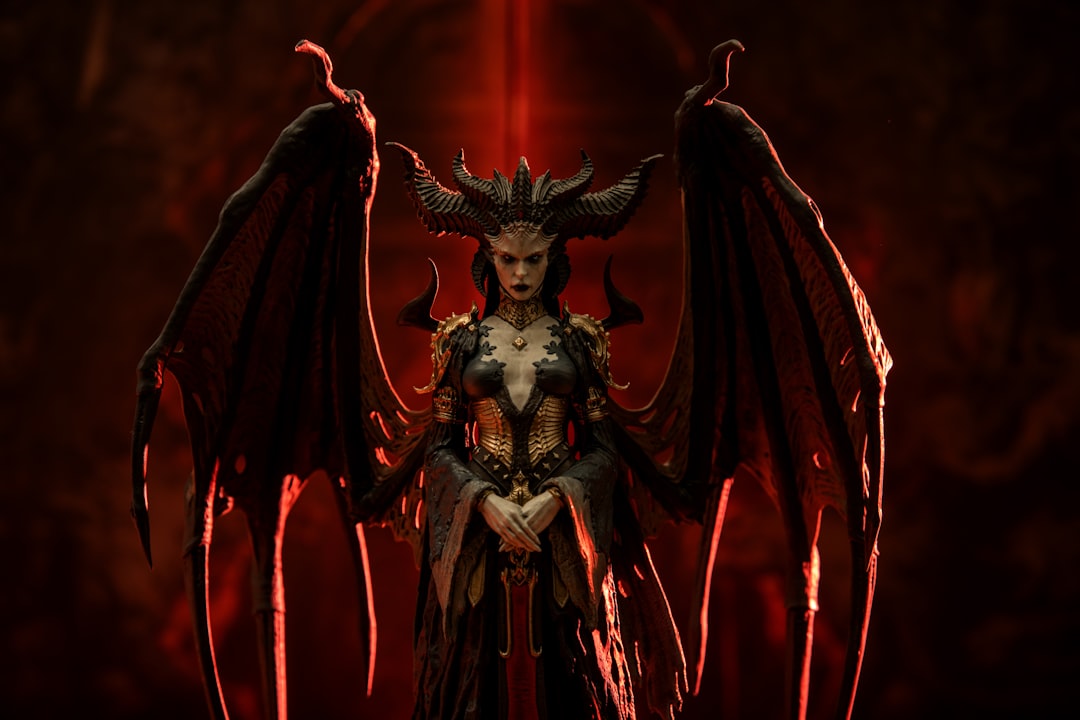
Blizzard teases the dark, intricate narrative of Diablo 4's Lord of Hatred expansion, exploring Mephisto’s cunning plans, new settings, and what’s at stake.
The next chapter in Diablo 4 is on the horizon with the eagerly anticipated Lord of Hatred expansion. Blizzard has provided a closer look into the intricacies of this new narrative arc, detailing how Mephisto — one of the Prime Evils — takes center stage. With a saga that pulls threads from the franchise’s earliest entries, this expansion promises a climactic payoff for long-time fans.
Mephisto’s Return and Machinations
Mephisto, the Lord of Hatred, emerges here as not just a central villain but as an intellectual force, manipulating events from the shadows rather than engaging in direct confrontations. According to Blizzard, Mephisto’s modus operandi has always focused on corrupting institutions and leveraging humanity’s weaknesses to further his goals. First seen in Diablo II, he previously sought to dismantle the Zakarum Church and learned from those experiences. But with the Lord of Hatred, his ambitions have scaled to a grander stage.
Described as a character who operates on a higher intellectual plane, Mephisto views humanity as mere insects to manipulate at will. "The whole world is his stage," Blizzard teased, highlighting his theatrical, almost sadistic enjoyment in destabilizing human factions before achieving his ultimate objectives. He doesn’t rush toward domination but instead revels in the chaos he creates along the way. His disdain for humanity and absolute confidence in his own godlike superiority make him a uniquely dangerous adversary.
It’s clear that Mephisto’s plans in the Lord of Hatred are designed to challenge not just the physical strengths but the moral and societal fabric of Sanctuary itself. This aligns with his philosophy to undermine from within rather than relying solely on brute force. The psychological and emotional stakes are higher than ever.
The Role of Lilith and Character Continuity
Blizzard has hinted at Lilith’s return, though her exact involvement in this chapter remains deliberately shrouded. For those following the Diablo storyline from its inception, elements of her presence have been subtly woven into the narrative since the first game, when the protagonist inadvertently became tied to her essence. This lingering connection forms a crucial narrative thread in the expansion, presenting players with a need to confront and perhaps reconcile with what this connection means moving forward.
Through multiple seasons of Diablo 4 and the Vessel of Hatred content, Blizzard has continually hinted at Lilith’s influences manifesting in the player character. The expansion promises to explore and answer these lingering questions about her role and the profound journey that has been unfolding over the years.
Introducing Scos: A Unique New Setting
One major highlight of the expansion is Scos, a new region designed with a heavily Mediterranean aesthetic, inspired by ancient Greek cultures and maritime island chains. This region is ruled by two queens: Adriana, the Amazon Queen, and the Oracle, figures who add richness and complexity to the lore.
Scos stands out as a rare example of a fully functioning society in the Diablo mythos. While most of Sanctuary is left in ruins by constant invasions and strife, Scos represents what the world could achieve without the ceaseless destruction wrought by demons. Unified and self-sufficient, the people of Scos have defended their peaceful existence for generations, banding together in the face of threats. Blizzard likens this region to the last stronghold of hope and order in Sanctuary, making it a particularly tempting target for the Lord of Hatred.
Adriana and her Amazons form the military backbone of Scos, a nod to the Amazon class from Diablo II. As one of the last powerful armies in Sanctuary, the Amazons embody discipline, strength, and unity. This is in sharp contrast to the fractured world around them, but Blizzard raises the key question: what happens when a force as insidious and corrosive as Mephisto wages a psychological war on such a closely-knit society?
Revisiting Familiar Archetypes and Relationships
Blizzard also revealed some exciting narrative developments between returning characters. Laurath, a close ally introduced earlier in Diablo 4, finds himself deeply entangled in Scos’ unfolding drama. He’s connected to Adriana, and their shared history promises to provide insights into not only the characters themselves but also the culture and politics of the new region. Adriana’s evolution from an Amazon captain to a queen will be central to understanding the setting’s depth and the stakes for its survival.
The Amazons and their storied heroism are also a potent reminder of Diablo’s rich legacy. Their presence showcases the long-standing traditions that connect directly to players’ memories of Diablo II. Yet, in the post-apocalyptic devastation Sanctuary has suffered, the Amazons represent what little remains of organized, structured resistance to the forces of Hell. The question Blizzard puts forth is what kind of toll Mephisto’s schemes will exact on even this bastion of resilience.
The Finale of the Age of Hatred
Blizzard has described this expansion as marking the conclusion of an arc spanning back to Diablo II. Much like the fall of King Leoric in the original Diablo was a pivotal moment defining the trajectory of the universe’s narrative, this new expansion aims to offer a similarly momentous conclusion. This "end of an age" narrative is designed to leave a lasting impact on the Diablo universe and its characters.
One of the most intriguing aspects of this expansion is Blizzard’s intent to deliver a satisfying conclusion to the current storyline while leaving the door open for new narratives. The studio recognizes the weight of three decades of storytelling and promises to give players a resolution reflective of the investment fans have had in the franchise while building excitement for future creative directions.
Why Lord of Hatred Matters
This expansion isn’t just about fighting demons or traversing new landscapes; it’s about questioning the very nature of resilience and unity in the face of insidious threats. By focusing on the interplay between Mephisto’s schemes and the unique societal structure of Scos, Blizzard is delving into themes that resonate beyond the game — how societies confront evil, maintain order, and, potentially, succumb to division.
With Mephisto’s character as a master manipulator and Scos as a cultural and military powerhouse, Lord of Hatred adds depth to the Diablo universe’s longstanding themes of light versus dark. And as the expansion sets up a climactic payoff for years of narrative buildup, it underscores the careful balance Blizzard must maintain between honoring its legacy and innovating for an audience that’s grown alongside the franchise.
Game expansions often promise more of the same, but Lord of Hatred appears poised to offer something deeper: a story-rich experience that will leave a mark on not just this chapter of the franchise but its overarching mythology as well.
Staff Writer
Marcus covers video games, esports, and gaming hardware. Two decades of industry experience.
Comments
Loading comments…


