If the PS5 Pro Costs $900, What Does This Mean for the PlayStation 6?
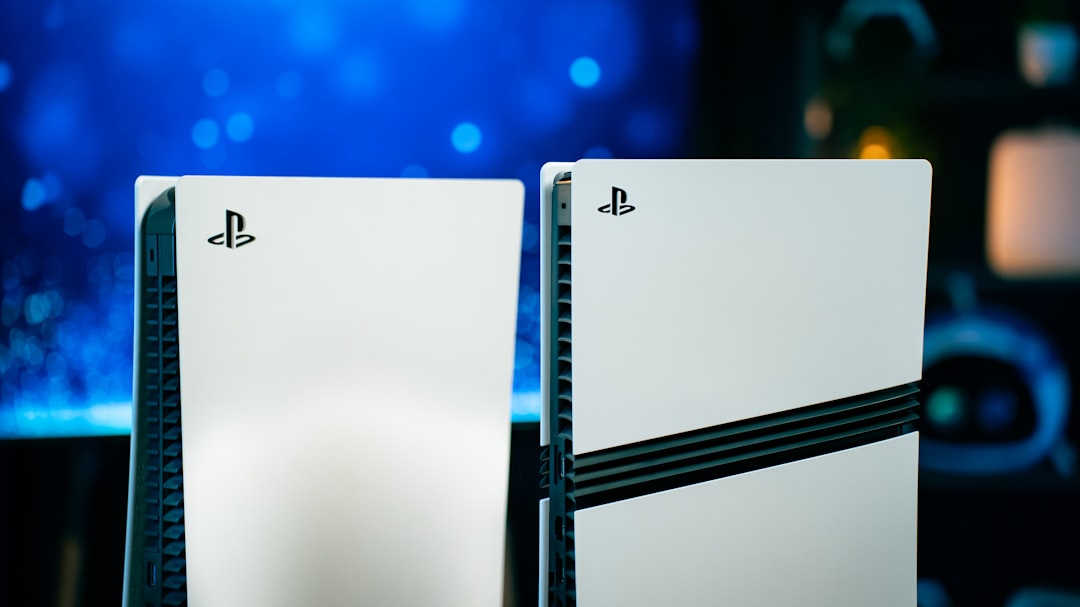
Sony's price hikes for PlayStation hardware signal troubling trends for console affordability and the PS6's future pricing.
Sony's recent announcement of price hikes for its entire line of PlayStation 5 hardware has taken the gaming community by surprise, and not in a good way. The PS5 Pro, which debuted at $700, now costs $900 in the U.S., effective April 2, 2024. Standard PS5 models have also seen significant increases: the disc version now costs $649.99, while the digital edition is $600. These jumps, which Sony attributes to "global economic pressures," prompt big questions about the accessibility of gaming consoles and what this means for the eventual PlayStation 6.
How We Got Here: The Context Around Price Hikes
To put this in perspective, gaming consoles have historically followed a predictable pricing pattern. New models launch at a premium, aimed at early adopters and dedicated fans, but prices traditionally decrease with time, allowing more casual gamers to invest as the console matures.
Consider previous PlayStation models. The PS1 debuted at $299 and dropped to less than $100 within six years—a 66% price reduction. The PS2, arguably Sony’s most successful console, launched at the same $299 and dropped to $129 in the same timeframe. Even the notoriously expensive PS3, which started at $599, saw a substantial decrease, hitting $269 after six years. Finally, the PS4, originally $399 at launch, halved its price to $199 by that same six-year mark.
Contrast this historical pattern with the PS5's trajectory. Instead of a price drop, the PS5 saw a 30% increase over its original price tag of $499 for the disc version. This marks a troubling new precedent in the gaming industry and signals a shift in strategy that appears to prioritize profit margins over long-term accessibility.
Sticker Shock: The PS5 Pro at $900
The PS5 Pro’s new $900 price tag—an increase of $200—has sparked widespread debate. Many gamers are questioning the value proposition, especially as the Pro model offers only incremental improvements over the standard PS5. Compared to the $500 launch price of the original PS5 disc version, the idea of spending nearly $1,000 on a mid-generation upgrade seems exorbitant.
For context, this price increase may be the steepest for any PlayStation hardware in history. While components like RAM and GPUs are becoming more expensive due to global supply chain issues, many argue that the price hike also reflects broader trends in the tech world—namely, "shrinkflation" and "skimpflation," where customers pay more for less innovation.
A Monopoly Problem?
Sony’s dominance in the dedicated console space further complicates this issue. With competitors like Microsoft moving toward subscription-based ecosystems like Xbox Game Pass—and the Nintendo Switch catering to a different demographic—the PS5 is uniquely positioned as the leading "hardcore" gaming console. This quasi-monopoly on traditional console gaming, combined with exclusives like "Spider-Man 2" and the upcoming "Wolverine," allows Sony to dictate pricing largely unchallenged.
This pricing strategy could backfire, though. As pointed out on IGN’s PlayStation segment "Beyond," younger players are increasingly gravitating toward platforms like Roblox or Fortnite, which offer free access on accessible hardware like phones and tablets. This shifts the audience for dedicated consoles toward an aging demographic that may not accept continually rising costs.
What This Means for the PlayStation 6
The logical question raised by Sony’s pricing strategies is: what will the PS6 cost? If the PS5 Pro is valued at $900, could the PS6 break the $1,000 barrier at launch? A decade ago, the notion of a four-digit price tag for a gaming console would have been laughed off. Today, it feels like a possibility.
Sony may be testing the waters, using these price hikes to normalize higher costs for future hardware. By the time the PS6 arrives, which could be within the next three to four years, gamers might see $1,000 as the "new normal" for next-generation consoles. This is especially concerning given that salaries and minimum wages have not kept pace with the soaring cost of living—or entertainment.
Moreover, if Sony continues to lock its biggest titles behind exclusive hardware, it’s creating a steep barrier for entry. Games like "Grand Theft Auto VI" and first-party exclusives like "Wolverine" are heavily incentivizing PS5 purchases, but at some point, such high prices will alienate potential new PlayStation fans.
Historical Data and the End of Affordability?
IGN’s "Beyond" team highlighted historical pricing trends over the course of PlayStation’s lifespan. A table detailing every console’s launch price versus its cost six years later underscored how unprecedented the PS5’s price increase is. Here’s a snapshot:
- PS1: Launch price $299, six-year price $99 (66% decrease)
- PS2: Launch price $299, six-year price $129 (56% decrease)
- PS3: Launch price $599, six-year price $269 (55% decrease)
- PS4: Launch price $399, six-year price $199 (50% decrease)
- PS5: Launch price $499, six-year price $649 (30% increase)
This data paints a clear picture: Sony has fundamentally deviated from the traditional pricing approach we’ve come to expect in the console industry.
The Bigger Picture: Gaming in a Shifting Market
The ramifications of these pricing strategies extend beyond PlayStation. Rising hardware costs are a symptom of broader economic and technological shifts—higher demand for components, the proliferation of AI and cloud-based systems, and increasing competition for raw materials. All of these contribute to higher base prices, but they also point to a larger issue: the growing exclusivity of gaming as a hobby.
Gaming has always had an accessibility problem, but price increases on what was once a relatively affordable way to play are accelerating this issue. Fewer people under 40 are buying dedicated consoles, with many opting for experiences on inexpensive PCs, smartphones, or free-to-play ecosystems.
What Comes Next
Sony is in uncharted territory, and its success in the next console generation may hinge on its ability to communicate value. If the PS6 arrives with significant technological innovations—a leap in graphics, processing power, and exclusive experiences—it may justify its cost. But Sony will need to tread carefully, as even its most loyal fans are beginning to question their investments.
What’s clear is that consoles are no longer the "cheap entry point" to gaming they once were. Whether that’s a sustainable strategy is something Sony might soon find out.
Staff Writer
Marcus covers video games, esports, and gaming hardware. Two decades of industry experience.
Comments
Loading comments…


