Inside the Reality of Esports Hotels: Gaming Havens or Hygiene Nightmares?
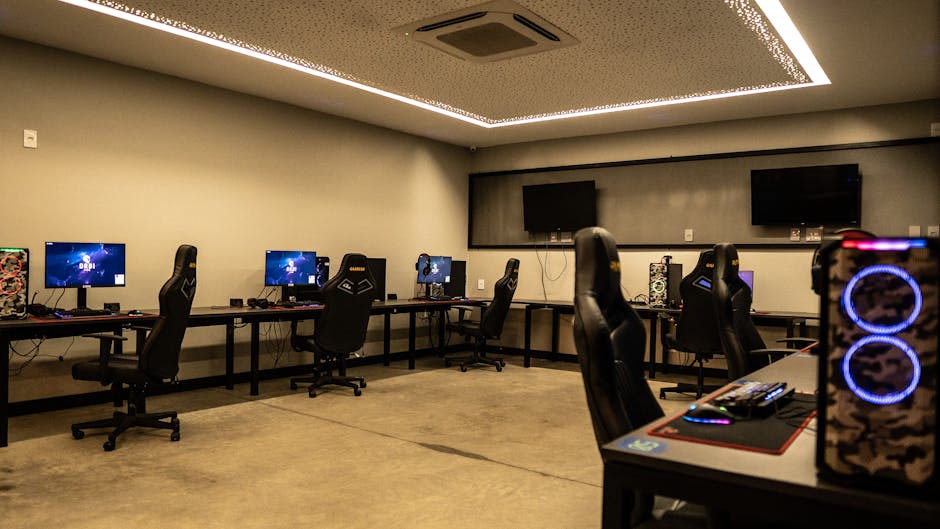
Esports hotels are a growing trend in China, catering to hardcore gamers with high-end setups, but a shocking case reveals the downside of long-term stays.
Esports hotels have been gaining popularity in China over the past few years, targeting gamers who need a dedicated space to focus on training or gaming marathons. These establishments set themselves apart with high-end gaming setups—think premium PCs, fast internet, and ergonomic gaming chairs—offered right alongside typical hotel amenities. However, a bizarre incident involving a two-year stay at one such hotel has cast a spotlight on the potential pitfalls of this concept.
What Are Esports Hotels?
Esports hotels are designed specifically for gamers, providing a comprehensive setup for professional or casual players. Most hotels feature:
- Private rooms equipped with high-performance gaming rigs.
- Comfortable gaming chairs to reduce strain during long sessions.
- Sleek designs, often with LED lighting to enhance the gaming atmosphere.
- Reliable, high-speed internet connections essential for competitive gaming.
These hotels cater to a wide range of budgets. Luxury options come with stylish furniture and well-maintained rooms, while more affordable ones meet basic needs—such as a place to sleep a few feet from your gaming setup.
For esports players or gaming enthusiasts, these hotels serve as a perfect spot to “lock in” and grind through games without interruptions. However, a shocking case out of Chongqing, China, suggests that, unchecked, long-term stays can lead to major hygiene issues.
The Two-Year Stay That Left a Mark
At an esports hotel in Chongqing, one man took “locking in” to the next level. Staying for two years, he spent most of his time gaming, rarely leaving his room. The hotel staff became so unfamiliar with him that many weren’t even sure what he looked like.
Hotels generally have cleaning policies to maintain hygiene, but in this case, regular room servicing wasn’t enforced. That leniency may stem from an understanding among esports hotel operators that disturbing guests mid-game could lead to complaints, especially from focused gamers.
When the guest finally checked out, the staff encountered a scene straight out of a horror story: piles of garbage stacked over six feet high, blocking access to the desk and monitors. According to reports, cleaning crews spent three full days clearing the room and disinfecting the space, which had become almost unrecognizable.
Key Issues Highlighted by the Case
- Hygiene Neglect: Allowing guests to stay for extended periods without mandatory cleaning can lead to unsanitary conditions.
- Unpaid Fees: The guest reportedly left behind over $400 in unpaid fees for his stay.
- Emotional Toll on Staff: The cleaning crew faced three grueling days disinfecting and restoring the room, raising questions about the toll such extreme cases take on employees.
Hotel management has not pursued legal action against the guest, though the incident has sparked discussions about the need for stricter policies at esports hotels.
What Happened to the Room?
While the trash was removed and the room disinfected, restoring it to its original condition remains doubtful. Reports suggest that even industrial-strength cleaning tools may not have been enough to undo the damage caused by years of neglect. Used stacks of toilet paper littered the bathroom, and the room had absorbed odors comparable to spoiled food left out in the sun.
The Psychology Behind Extended Stays
The incident has opened up conversations about gaming habits and their impact on mental and physical health. Terms like “bed rotting” and “letting it rot” have emerged to describe behavior where individuals disengage from daily responsibilities and retreat to low-effort activities. This behavior, prevalent in many cultures, has roots in stress, societal pressures, and the search for instant gratification.
Understanding “Let It Rot”
In China, a social trend known as “bailan,” meaning “let it rot,” has gained traction as young people rebel against societal expectations. Instead of pursuing high-pressure careers or traditional goals, participants adopt a minimalist lifestyle, often focusing on comfort and self-preservation over achievement.
For some, this means embracing a low-energy, nocturnal lifestyle—sleeping through the day, gaming or scrolling through social media at night, and doing the bare minimum to get by. Esports hotels, which provide a space for undisturbed gaming, could be seen as an extension of this mindset.
Bed Rotting vs. Hardcore Gaming
Though the Chongqing case is extreme, the underlying behaviors aren’t unique. Many gamers and non-gamers alike can relate to spending extended periods in bed, doom-scrolling or engaging in low-effort activities to cope with stress. While this is harmless for short periods, excessive disengagement can lead to long-term issues like depression, reduced motivation, and health risks.
Practical Takeaways for Esports Hotels
Esports hotels have much to offer, but cases like Chongqing highlight the need for revised policies:
- Mandatory Cleaning Schedules: Regular room cleaning policies should be enforced, even for long-term guests.
- Guest Communication: Create clear boundaries between respecting a guest’s privacy and maintaining hygiene standards.
- Staff Support: Employers should provide resources such as paid time off and personal support for staff required to clean extreme messes.
- Health and Wellness Resources: Hotels could offer optional wellness initiatives, like ergonomic checks, mental health hotlines, or even gym passes to promote balance for long-term guests.
Esports hotels should also take an educational role in informing guests about the dangers of prolonged sedentary behavior or overworking.
Are Esports Hotels the Future or Flawed in Design?
Esports hotels fill a growing niche within gaming culture. They offer a space for focus, creativity, and communal gaming experiences. Yet, without proper oversight, their potential can backfire, as the extreme case in Chongqing illustrates.
Striking a balance—between respecting gamer preferences and preventing hygiene, health, or operational crises—must be a priority for the industry moving forward. Gamers visiting these spaces for short or long stays can do their part by planning regular breaks, maintaining basic cleanliness, and staying mindful of their physical and mental well-being.
As esports culture continues to expand globally, the industry will need to refine its practices to ensure these havens for gamers remain healthy and welcoming for all.
Comments
Loading comments…


