IPL 2026: The ₹18 Crore Salary Cap and Other Game-Changing Rules
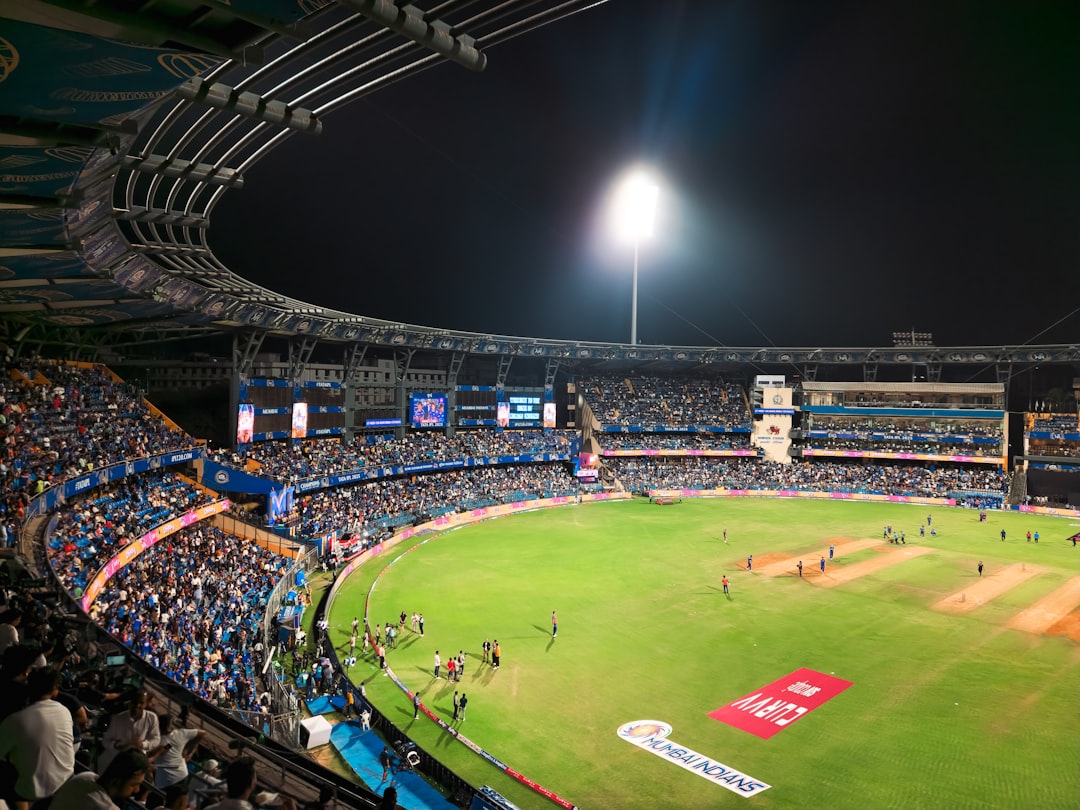
IPL 2026 introduces a controversial ₹18 crore salary cap for overseas players and a ₹21 lakh cost per legal delivery, reshaping T20 cricket economics.
The Indian Premier League (IPL) is back for its 2026 season, but the cricket world is waking up to seismic changes behind the scenes. Beyond the packed stadiums and electrifying performances, significant shifts in rules and finances are altering the dynamics of the league. From a new salary cap on overseas players to dramatic operational costs, IPL 2026 is being called a financial and strategic revolution.
₹18 Crore Salary Cap for Overseas Stars
One of the most talked-about changes in IPL 2026 is the implementation of an ₹18 crore salary cap for overseas players. While teams can bid astronomical sums for international cricket superstars, the players will only receive a maximum of ₹18 crore. For instance, if a team wins a bidding war for an overseas player at ₹25 crore, the player still takes home only ₹18 crore. The remaining funds are reportedly diverted to the BCCI’s welfare initiatives.
This rule has sparked debates about fairness. While some argue it ensures parity and allows more funds for domestic players and development, critics claim it restricts the earning potential of overseas stars who bring significant value through their performance and global fan base.
₹21 Lakh per Legal Ball: Staggering Game Costs
IPL economics have reached astonishing heights. According to reports, every legal ball bowled in an IPL match now costs broadcasters ₹21 lakh. This cost includes broadcasting rights, production, and advertising. A wide or no-ball, which doesn’t count as a legal delivery, translates to a waste of ₹21 lakh. This figure highlights the high-stakes financial game IPL operates within, driven by its lucrative contracts and immense global viewership.
The Impact Player Rule and the Death of the All-Rounder
Another controversial change for IPL 2026 is the impact player rule. This allows teams to bring in a substitute at key moments in the game, creating strategic flexibility. While the rule aims to make matches more exciting, it has inadvertently diminished the role of traditional all-rounders. Players who can both bat and bowl are increasingly sidelined in favor of specialists who better fit specific match scenarios.
Veteran players and analysts have pointed out that this shift may ultimately narrow the opportunities for well-rounded cricketers, whose versatility was once highly valued.
The Welfare Fund: Where Auction Money Goes
The IPL player auction has always been a spectacle, with teams splurging colossal amounts for top players. However, the hidden truth for 2026 reveals that not all bid money goes directly to players. A significant portion is redirected to the BCCI's welfare fund. These funds are reportedly used for initiatives like infrastructure development, grassroots cricket support, and player welfare programs.
While this redistribution might support broader cricketing goals, fans are questioning the transparency of such measures. Why are the specifics of these expenditures not disclosed? The lack of clarity fuels skepticism about whether the auction is more of a show than a true financial transaction.
Carbon-Neutral Jerseys: A Step Towards Sustainability
In a surprising move, IPL 2026 has also introduced carbon-neutral jerseys. This initiative aims to reduce the league’s environmental impact and set an example for other sports organizations worldwide. While this effort is commendable, many fans have missed this detail amidst the more headline-grabbing rule changes. The carbon-neutral aspect of the jerseys reflects how IPL is evolving not just on the field but off it as well.
Has IPL 2026 Become a Financial Machine?
The latest revelations about IPL 2026 raise questions about whether the league is still primarily about cricket or has transformed into an elaborate financial operation. With a valuation reportedly around $16 billion and these new economic and operational rules, the focus seems increasingly on revenue generation over sport. Loyalists of the game have expressed concern that the soul of cricket might be sidelined in favor of monetary gains.
Key Takeaways
- The ₹18 Crore Cap: Overseas players’ salaries are now capped at ₹18 crore, regardless of their bid price. This money is redirected to the BCCI welfare fund.
- High Operational Costs: Each legal delivery costs broadcasters ₹21 lakh, demonstrating the immense financial stakes of the IPL.
- Impact Player Rule: While adding strategic depth, the rule is reducing the significance of versatile all-rounders in the game.
- Carbon-Neutral Jerseys: In a bid for sustainability, teams are now sporting eco-friendly apparel.
- Cricket vs. Commerce: With its high valuation, the IPL treads a thin line between being a sport and a business.
As these changes unfold, IPL 2026 promises to be as much about behind-the-scenes numbers as it is about sixes and wickets. What do you think about the new rules? Are they fair to players, or are they undermining the spirit of the game?
Staff Writer
Marcus covers video games, esports, and gaming hardware. Two decades of industry experience.
Comments
Loading comments…


