Is Gaming Becoming a Luxury? The Rising Costs Shaping the Industry
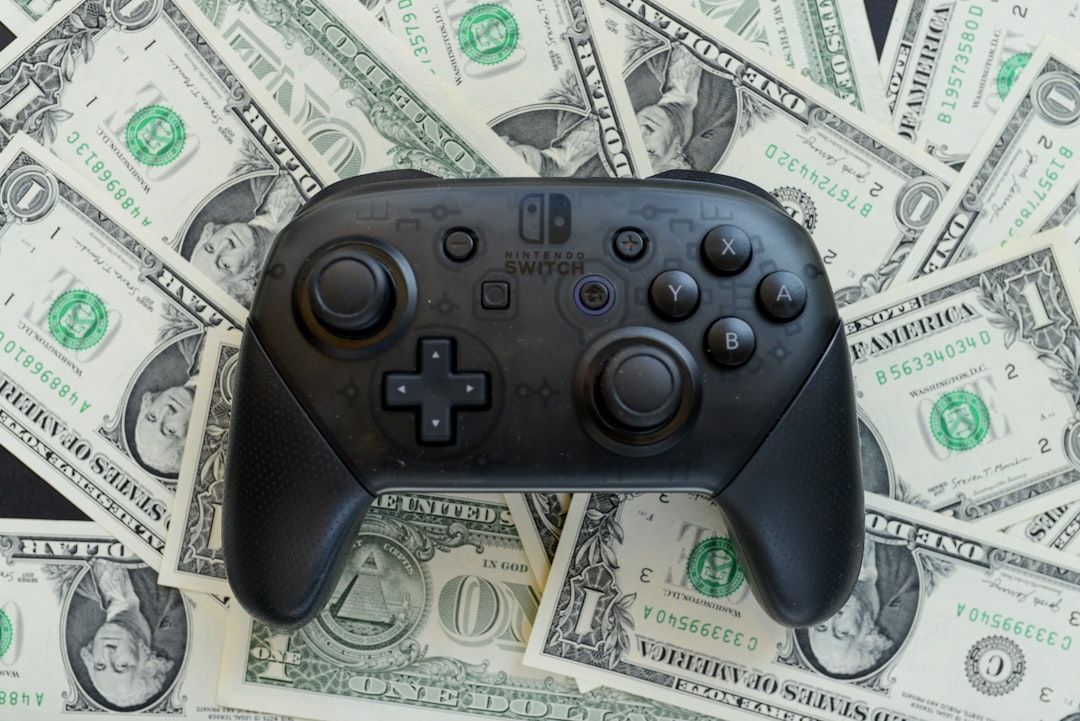
With game prices, consoles, and PCs becoming increasingly expensive, gaming is shifting towards a costly hobby. Here's why affordability is eroding.
Gaming has long been celebrated as an accessible hobby—a pastime inviting anyone with a passion for adventure, storytelling, or competition to jump in. From neighborhoods with arcade machines to households unwrapping affordable consoles during the holidays, gaming felt like a shared cultural space. But that's beginning to change. The industry as a whole seems to be hiking its costs on all fronts, making gaming feel more like a luxury than ever before.
A New Standard for Game Pricing
For decades, the de facto price for new major game titles sat comfortably at $60—a figure high enough to support the industry but reasonable for most players. That era appears to be over. Today, $70 is becoming the baseline for major releases, and some publishers are starting to hover around $80 for deluxe versions or highly anticipated titles. Nintendo, known for holding its prices steady for years, is now embracing higher pricing standards. PlayStation and Xbox, too, have expressed support for these increases.
But players weren't the ones asking for this change. Despite growing development costs—teams are larger, worlds are bigger, and marketing campaigns are more elaborate—gamers' wages haven't risen at the same rate. For many, these price hikes feel less like industry evolution and more like a disconnect between companies and their audience.
Console Costs Beyond the Initial Investment
Even buying the hardware necessary to enjoy these games has become more expensive. Over the last year, PlayStation and Xbox both raised their console prices in various markets. Some argue that inflation and supply chain issues during the pandemic justify these increases, but to players, the cumulative effect is clear: getting into gaming is a pricier endeavor than ever before. Once, owning a console was synonymous with ready access to gaming—you simply had to add the occasional game. Now, consoles themselves feel like the starting line of a much bigger investment.
The subscription-based model is another layer of cost. Sony’s PlayStation Plus, Microsoft's Game Pass, and Nintendo’s online services all rose in price recently. These subscriptions, once optional, are increasingly becoming essential to unlock features like multiplayer modes or access larger gaming libraries. And while these services provide value, their cost often isn't budget-friendly for everyone.
The High Bar for PC Enthusiasts
Those who turn to PC gaming for flexibility and customization are also finding this arena less affordable than it once was. GPU prices, especially for performance-focused mid-range or high-end cards, have skyrocketed in recent years. Building or upgrading a system—a traditional way to save money while staying current—no longer offers the same savings as it did a decade ago. A mid-range GPU today costs as much as high-end GPUs from just a few years ago, making specs that were once accessible now out of reach for average gamers.
CPUs, storage solutions, and other components haven't been spared from price hikes either. While components like RAM have seen momentary price dips recently, the broader trend shows that PC gaming is becoming an increasingly premium proposition.
Microtransactions, Battle Passes, and the Rise of FOMO
Even after getting over the hurdle of purchasing a game or a device, gamers are hit with continuous expenses. Microtransactions, battle passes, and multiple game editions—offering early access or exclusive content—are now industry norms. These features turn the act of owning a game into something incomplete, pressuring players to spend more to keep up or access add-ons that were once part of a full-priced game. For titles where online multiplayer is central, the seasonal updates or content expansions can feel mandatory rather than optional.
This trend has also coincided with a noticeable shift in game design. Some players allege that modern games are becoming shorter, prompting suspicion that studios are keeping campaign lengths lean to monetize extra DLC or expansions later. While development complexities and creative decisions might explain some of these changes, there's growing frustration at paying more for seemingly less.
What Players Are Doing in Response
With prices rising across the board, gamers are adjusting their behavior. There's evidence of increasing patience in how people spend on this hobby. More players are waiting for hefty discounts during sales events than ever before. Others are skipping certain anticipated games entirely, choosing instead to prioritize a small handful of titles they know they’ll invest time in. The concept of gaming as a carefree escape is being replaced with financial math; people are forced to weigh the cost of enjoyment.
Why Is This Happening?
Publishers often point to the ballooning costs of producing modern video games as the root cause of these price hikes. Teams are larger, the technology required for blockbuster visuals is cutting-edge, and marketing budgets have risen astronomically to compete for attention in a crowded market. While these factors are real, some critics argue that the industry is clinging to outdated economic models. Instead of scaling back the size and spectacle of their projects, they push the burden onto consumers. This has created a gap between the reality of life for many players and the vision of profit-driven publishers.
What Does This Mean for the Future of Gaming?
If the current trajectory of rising costs continues unabated, gaming risks further alienating a significant portion of its audience. For an industry that prides itself on global community and inclusion, that could become an existential problem down the line. New indie titles and free-to-play games serve as lower-cost alternatives, but not every player considers those a replacement for full-featured premium experiences.
Somewhere between towering production budgets and the need for accessible fun, something’s got to give. Publishers and developers alike need to examine how they can sustain profitability without shutting out the very consumers who helped make gaming into the cultural phenomenon it is today. Perhaps it’s time to curb the focus on size and spectacle in favor of smarter, smaller designs. Or maybe subscription models need to offer tiered, more affordable plans to meet people where they are.
For now, a growing segment of players is asking a pivotal question: who is gaming truly for? If rising prices go unchecked, the answer may increasingly align with wealthier audiences. And that’s a future many gamers hope to avoid.
Staff Writer
Zoe writes about game releases, indie titles, and gaming culture.
Comments
Loading comments…


