Kick Verification, TikTok Content Strategies, and the Challenges of Game Streaming
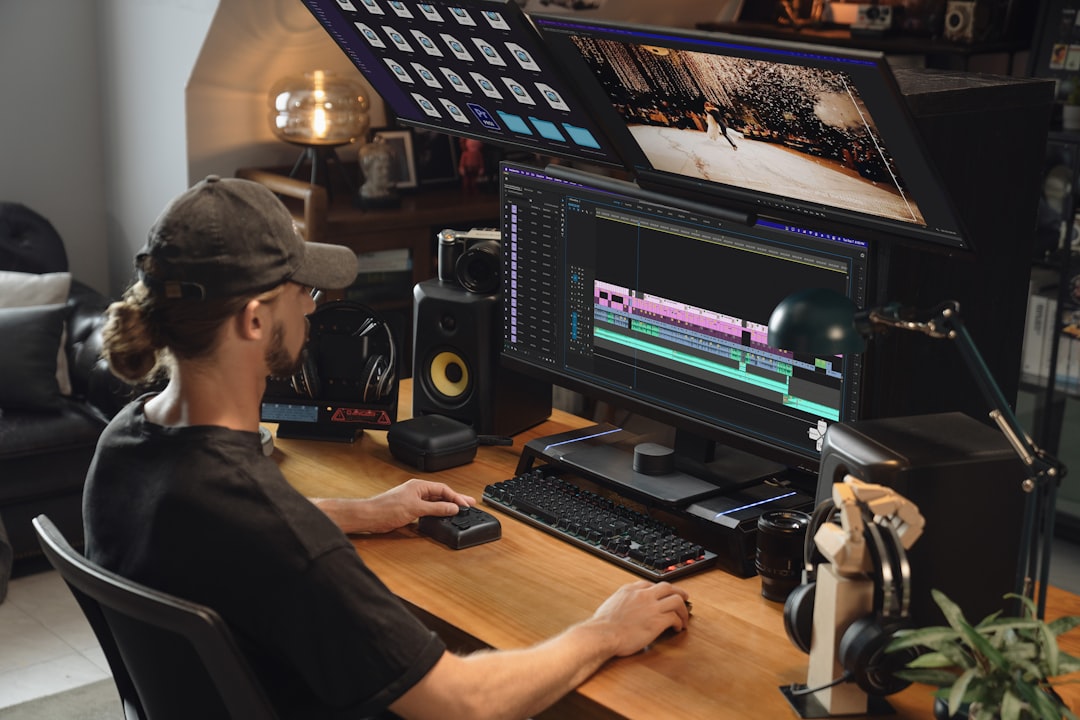
Streamer Flux Reversal discusses Kick verification struggles, TikTok editing hurdles, and the evolving demands of content creation in the competitive gaming world.
The world of game streaming and content creation is one of constant evolution, as creators manage platform-specific demands, audience expectations, and algorithmic quirks. In a recent stream, content creator Flux Reversal shared an inside look at his journey to navigate these challenges — ranging from becoming verified on streaming platform Kick to refining short-form video content for TikTok.
The path to Kick verification
Kick, a growing competitor to streaming heavyweight Twitch, offers creators an appealing revenue split and a fresh audience, but achieving platform verification entails unique challenges. Flux Reversal outlined the metrics required: an average of 50 viewers, 50 unique chatters, 100 unique viewers, and ten subscribers over a rolling 30-day period. These aren’t impossible numbers, but they present hurdles for smaller creators looking to gain traction.
“So far, I’ve only hit 11 unique chatters and haven’t reached the 50 unique viewers mark,” he revealed during his April 1st, 2026 stream. Despite making progress since his push began in February 2026, Flux noted that Kick’s structure makes collaboration difficult, especially given the strict moderation in some of its community spaces like Discord. Attempts to connect with peers are often removed or flagged as self-promotion, further isolating new streamers from potential partnerships.
While emphasizing his persistence, he suggested an unmet need for better collaborations tools on Kick. “There’s just no easy way for streamers to find each other for collabs unless you already know someone,” he added. As Flux Reversal pointed out, this limitation stifles the grassroots growth many creators rely on in their early streaming days.
Behind the scenes of video production
Beyond Kick, Flux also detailed the intricacies of producing and refining content for TikTok and YouTube. As he works to grow his audience, it’s clear that his technical and creative efforts span far beyond live streaming itself.
Flux’s strategy involves creating gaming news segments aimed at a PC gaming audience. These live broadcasts, running no more than an hour, are subsequently edited into shorter formats for platforms like YouTube and TikTok. However, adapting content to different platforms has proven to be a task riddled with complications.
Key to his TikTok efforts is understanding the platform’s unique preferences: “TikTok hates static images… They don’t like watermarks, and even smaller elements like font size or caption placement matter,” he explained. Recognizing shortcomings from his initial attempts, Flux has since refined his approach, ensuring cleaner templates, better B-roll integration, and eye-catching visuals tailored for TikTok’s vertical viewing format.
One of his revelations came from user feedback within TikTok itself. Early iterations of his short gaming news clips were poorly received, prompting a deep dive into why they failed. Based on external advice and insights from TikTok creators, he developed a comprehensive checklist to polish future posts. These improvements involved designing layouts customized for specific app interfaces, creating more dynamic captions, and ensuring critical information is immediately visible to viewers.
Balancing creativity and technical demands
Content creation is no longer as simple as pressing record and going live. Flux Reversal underscored the behind-the-scenes workload that modern creators shoulder. From scripting compelling hooks for TikTok to investing hours in editing with tools like Da Vinci Resolve, the process involves intricately balancing creativity with technical expertise.
For instance, he spoke about developing a TikTok-specific overlay to guarantee his videos resonate visually across the platform’s interface. Precise measurements ensure that controls, captions, and watermarks blend seamlessly with the uploaded content. Mistakes or static elements that clutter the screen are flagged by TikTok’s algorithm, limiting visibility.
This iterative editing process isn’t without frustration. “It took me longer than it should have to build this new template,” he reflected. But it’s a necessary adaption to TikTok’s hyper-competitive content environment, where minor changes in a video’s layout can significantly influence engagement.
Insights into platform-specific challenges
One of the recurring themes in his candid discussion was the cost of splitting efforts across platforms with different requirements. While YouTube rewards niche-focused creator channels, older variety channels like Flux’s often struggle under the weight of diversified content. Similarly, platforms like TikTok penalize users posting duplicate content already available elsewhere.
Flux acknowledged that his early TikTok strategy — directly repurposing YouTube videos — floundered due to these restrictions. Recognizing TikTok’s preference for original and context-specific versions, he’s now committed to creating content distinct from what he produces for YouTube.
Beyond platform algorithms, interpersonal challenges linger in the background of his creation process. Toxicity from Flux’s early days as a competitive gamer still follows him into his endeavors, complicating growth through persistent negativity from detractors.
Lessons for aspiring creators
Flux’s journey offers a window into the uphill battle smaller streamers face when competing on platforms increasingly geared towards well-established personalities. The road to Kick verification remains steep, reliant on consistent engagement numbers that favor creators who can pull in an immediate audience. Meanwhile, the success of TikTok and YouTube channels relies on relentless optimization and the willingness to adapt formats for algorithmic favor.
If there’s one takeaway for aspiring creators, it’s that adaptability is as important as creativity. Whether it’s refining talking points, investing in better overlays, or pivoting to build new channels when old ones stagnate, creators need to evolve alongside the platforms they’ve chosen.
Looking forward, Flux Reversal’s grind for Kick verification and content refinement on other platforms highlights larger industry trends. Tools for better cross-platform integration and opportunities for smaller creators to collaborate could help level the playing field. Until then, the next wave of creators will likely continue to juggle technical demands, audience dynamics, and platform-specific friction as they strive to be seen.
Staff Writer
Zoe writes about game releases, indie titles, and gaming culture.
Comments
Loading comments…


