PC Gamers Push Back Against Cloud Gaming, Citing Ownership and Reliability
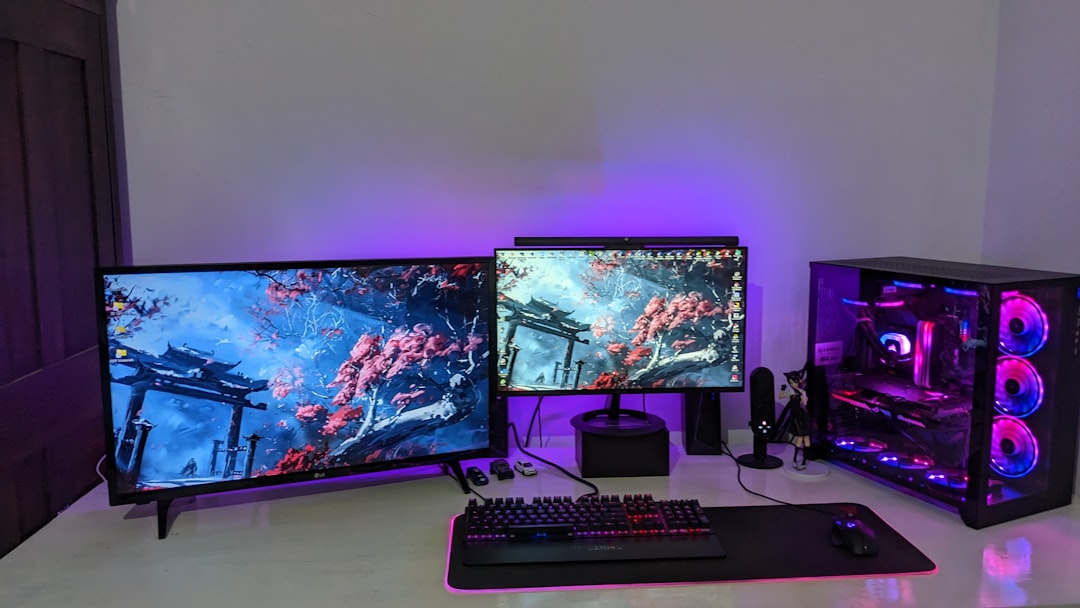
PC gamers express strong resistance to cloud gaming, highlighting concerns over ownership, pricing, and reliability in the evolving gaming landscape.
The future of gaming has been a hot topic among enthusiasts, especially as cloud gaming platforms continue to expand. While major companies push for a cloud-first future, the PC gaming community appears largely unconvinced. In a recent episode of his YouTube Q&A series, Probing Paul, tech content creator Paul shared insights on how his audience views cloud gaming — and the response was overwhelmingly critical.
Why PC Gamers Are Resistant to Cloud Gaming
The conversation began with Paul posing a provocative question: should gamers abandon traditional PCs in favor of lightweight client devices powered by cloud gaming services? For many of his viewers, the answer was a resounding "no." One commenter, referred to as Mr. 702s, captured the sentiment succinctly: "Hell no, cloud gaming can suck it."
This response reflects the broader concerns of PC gamers who place high value on hardware ownership. Many feel a sense of pride in building and maintaining their systems. Owning a PC means having full control over upgrades, repairs, and customizations, all of which are key aspects of the hobby. Cloud gaming, in contrast, shifts control to service providers, leaving users at the mercy of pricing changes, server reliability, and evolving terms of service.
The Case for Ownership
Paul highlighted that his audience values personal ownership not just for PCs but for products and services in general. Cloud gaming, reliant on remote servers, requires consistent internet connectivity and subscriptions. Many gamers fear that investing in a cloud platform would mean losing access to their games if those services shut down, increase prices, or reduce quality over time.
"We've seen way too much commodification of services over the past two decades," Paul noted, pointing out the growing trend of subscription-based models across industries. From music to productivity tools, reliance on such services introduces unpredictability that many users are wary of when it comes to gaming.
High Costs Impact Current Enthusiasm
Another key issue is the rising expense of PC gaming hardware. As Swedog, a commenter on the channel, pointed out, inflated prices for components like RAM and SSDs make upgrading or new builds financially prohibitive for many. While some gamers feel pressured to upgrade due to demanding modern games, others find ways to maximize the lifespan of their existing setups. Swedog uses an Intel 13600K and a GeForce RTX 3070, which he claims will meet his single-player gaming needs for the foreseeable future.
These financial concerns extend to cloud gaming. Although marketed as a cost-effective alternative, subscription fees for services like Nvidia GeForce Now or Microsoft Xbox Cloud Gaming can add up, particularly if a user subscribes for years. For price-conscious gamers, investing in hardware that lasts remains a more tangible, long-term solution.
Alternative Solutions for Modern Gaming Challenges
Even as new technologies emerge, there are viable options for gamers who prefer local control. Emulators, DRM-free platforms like GOG (Good Old Games), and secondhand markets offer ways to enjoy both classic and modern games without requiring top-tier hardware.
GOG's non-DRM policy, which allows users to download and run games offline, has become particularly appealing. Paul encouraged his viewers to explore such platforms, which align with the values of ownership and accessibility. Retro gaming through emulators and older titles also offers a way to avoid the constant need for expensive upgrades.
Cloud Gaming's Realistic Challenges
Beyond the philosophical disagreement with cloud gaming, practical limitations—such as latency, data caps, and regional availability—are significant hurdles. Competitive and fast-paced games, like first-person shooters or real-time strategy games, often demand minimal input lag, something challenging for even the best cloud gaming setups. Add in inconsistent internet speeds, and the experience can quickly degrade.
Reliability is another factor. Paul's audience expressed concerns about outages or reduced service quality during peak times, which would directly impact their ability to play. Gamers who prioritize consistency and performance see these risks as unacceptable trade-offs.
Broader Implications for the Gaming Industry
The resistance from PC gamers raises important questions about the direction of the gaming industry. Hardware sales are increasingly targeted at enthusiasts who value cutting-edge tech. Meanwhile, cloud gaming appears to cater to casual users or those who want lower upfront costs. The two markets, while not completely incompatible, reflect diverging priorities.
For tech creators like Paul, adapting to these trends is essential. With shrinking viewership for core topics like high-end hardware or benchmarking, content that addresses practical upgrades or system repairs appears to hold greater relevance. For instance, Paul emphasized the growing appeal of repair-focused content like Greg Salazar’s "Fix or Flop" series, which resonates with an audience trying to make the most of their existing setups.
What This Means for Gamers
Ultimately, the choice between cloud gaming and traditional PC setups comes down to personal priorities. Cloud gaming appeals to those looking for convenience and low-maintenance solutions, while traditional setups cater to users who value control, customization, and long-term investments.
Paul's analysis underscores that, for many in the PC gaming community, the appeal of cloud gaming falls short. The ability to build, upgrade, and fully own their systems remains fundamental—not just as a consumer choice, but as a deeply ingrained part of gaming culture. For now, cloud gaming will likely remain a secondary option for enthusiasts who prioritize the tactile, reliable experience of gaming on their own machines.
Staff Writer
Zoe writes about game releases, indie titles, and gaming culture.
Comments
Loading comments…


