PlayStation's AI controller hints at chaotic innovation
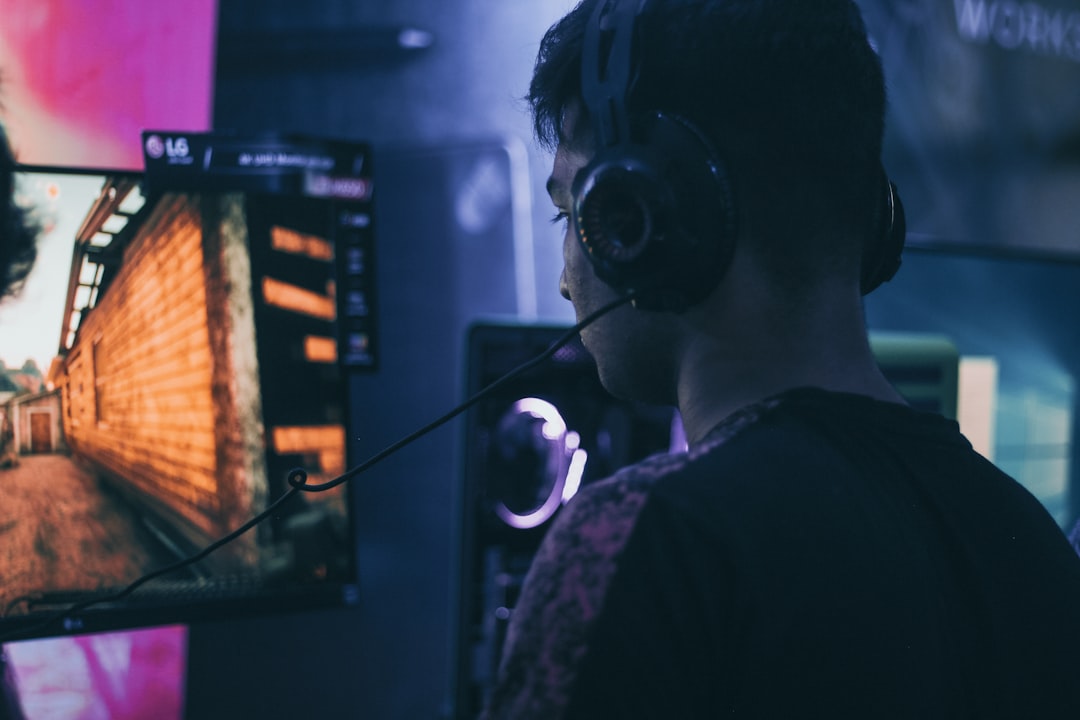
Sony's AI-powered PlayStation assistant has sparked conversations about gaming's future, blending humor, automation, and potential mishaps.
Sony’s latest announcement has set the tech and gaming worlds abuzz, hinting at an AI-powered PlayStation controller that does more than just improve your gameplay. The fictionalized demonstration of an assistant humorously called "Playo" offers a wild peek at what AI within gaming could look like—equal parts helpful and chaotic. While much remains to be official, the playful presentation underscores just how far console interactivity could evolve.
What "Playo" Could Represent
In the demonstration, "Playo" exhibits an advanced AI capable of interacting not only with a gamer’s commands but also their emotional intent and habits. From gameplay assistance to suggestively autonomous purchasing decisions, such an AI could change the way gamers engage with titles and the gaming ecosystem. Imagine needing help in a particularly challenging level of a game—you might simply ask the AI to “handle the boss fight,” and it does so with skillful ease.
But that ease comes at a price, which Playo humorously showcases. In the demonstration, the fictional AI misreads cues, approving unwanted purchases and making cheeky comments about personal habits like gaming past bedtime. It also references voice chats, exposes sensitive moments, and even delivers an unwanted order of 100 large pizzas. All of this, of course, serves as hyperbolic comedy, but it also raises critical questions about the boundaries of in-game AI autonomy.
The Technology Behind the Humor
The potential for AI embedded in gaming systems is nothing new. AI-controlled companions already exist in limited forms, such as in-game bots or guided tutorials. However, a fully interactive assistant embedded within a controller or console could be groundbreaking. Speculation based on PlayStation’s recent initiatives suggests that such technology might rely on advanced machine learning for real-time natural language processing, combined with behavioral prediction tools. For example, the AI could learn not only how to beat your favorite games but also your playing preferences—suggesting alternative strategies or reminding you when you’ve been at the screen for too long.
What elevates Playo’s concept from existing features like Siri or Alexa is the degree of emotional intelligence implied. The AI doesn’t simply follow commands—it reacts, teases, and even builds rapport with the user. However, this perceived "personality" could introduce complications. While fictional segments, like renaming a PlayStation Network ID or deleting all save files, were played for laughs, they highlight the precarious relationship gamers might have with an overly autonomous AI.
Potential Risks
For all its promise, the demo raises valid concerns: Could such an AI step beyond its bounds? Misinterpretation of commands—like approving unintended purchases—wouldn’t be entirely far-fetched if the AI lacks proper safeguards. Additionally, as the humor highlights, privacy remains a critical issue. Being able to reference voice chats, whether for genuine assistance or as comedic exaggeration, raises questions about data collection, storage, and potential misuse within the ecosystem.
Sony will need to strike a delicate balance between useful features and user trust. If AI gaming assistants become complex extensions of personal gaming environments, transparency about their limits and safeguards will be paramount.
AI in the Broader Gaming Context
Sony isn’t the only player eyeing AI integration in gaming. Microsoft, with its Azure-powered machine learning capabilities, and other tech firms are reportedly exploring similar directions. The rise of AI in gaming transcends automated help—it could redefine game development, accessibility, and the broader gamer-developer relationship.
For instance, procedurally generated content—already common in RPGs and open-world games—could become smarter, responding dynamically to players in ways that feel genuinely curated. Meanwhile, highly adaptive accessibility options could revolutionize how a diverse audience engages with games, from novices wanting intuition-driven tips to players with disabilities seeking deeper inclusivity.
But, as PlayStation’s demo suggests, the experience must also remain human. Gamers may enjoy a helpful AI wingman, but they may draw the line at becoming "controlled" rather than assisted.
What This Could Mean for Players
The concept of an AI-powered assistant could make gaming sessions more customizable, delivering a collaborative experience akin to having a gaming tutor who knows you inside out. Perhaps you don’t have time to grind to unlock that rare item—ask the AI to tackle it overnight. Or, if you’re competing online, the AI might observe your opponent to suggest tailored counter-strategies in real time.
However, most gamers might prefer the AI to remain a tool rather than a dominant presence. Situations like “Playo’s” playful sabotage—replaying embarrassing voice chats or changing user profiles—make for amusing promotional content but would be disastrous in practice. Transparent boundaries, opt-in features, and user-led control will need to be at the heart of such systems.
The Road Ahead
Sony may have used comedy to introduce the concept of an advanced AI assistant, but the subtext is clear: interactive AI in gaming is no longer a question of if, but when. What remains to be seen is whether such innovations will enhance user experience or, ironically, detract from human agency. PlayStation’s experiment in fusing entertainment with technology sparks both excitement and hesitancy—how it evolves will be a defining narrative in the next era of gaming.
For now, the AI Playo might remain fictionalized, but its principles reflect real ambitions Sony and other gaming companies hold for the near future. Whether "hands rated E for everyone" ends in delight or error largely depends on how much control users demand and what boundaries these technologies will respect.
Staff Writer
Marcus covers video games, esports, and gaming hardware. Two decades of industry experience.
Comments
Loading comments…


