Rec Room announces shutdown after a decade of VR innovation
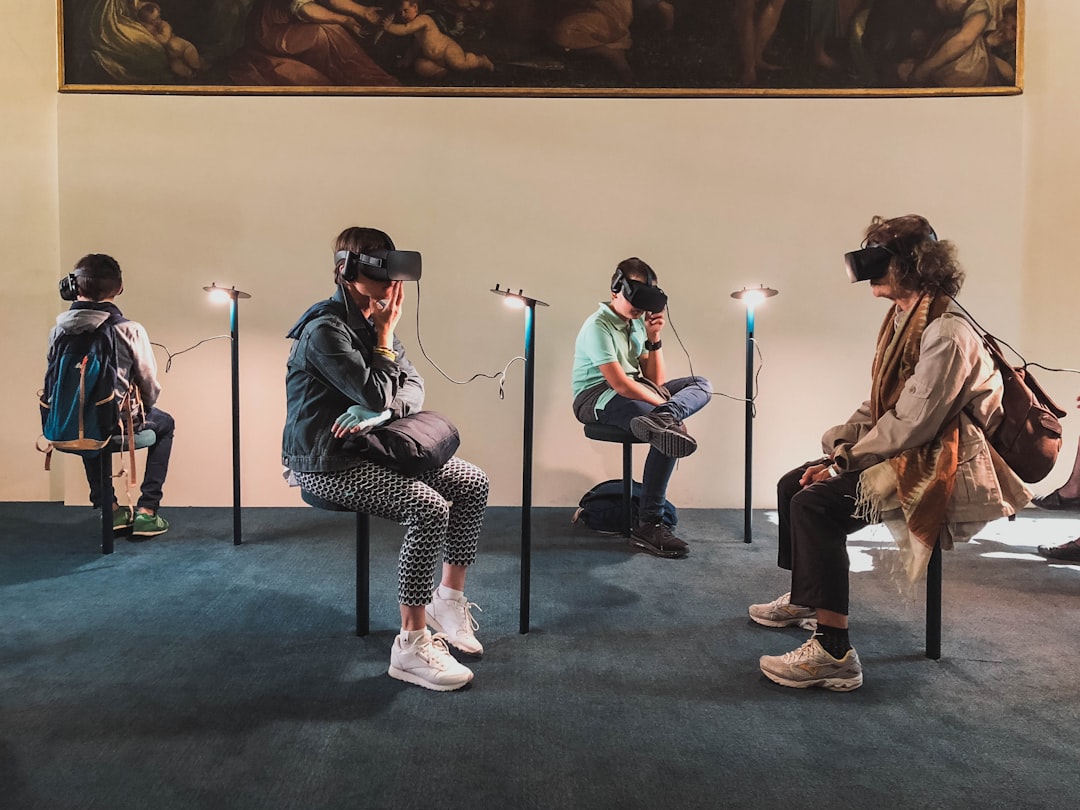
Rec Room, the popular VR platform with over 150 million players, will shut down on June 1, 2026, citing unsustainable costs despite its success.
For fans of virtual reality gaming, the news of Rec Room's impending shutdown marks the end of an era. Launched in 2016, Rec Room became a staple of the VR gaming world, offering a social and creative platform that attracted over 150 million players globally. Despite its widespread appeal and popularity, the game’s developers announced in an official blog post that the platform will cease to exist as of June 1, 2026.
Why Rec Room is Shutting Down
According to the announcement on Rec Room’s official blog, the decision to discontinue the platform comes down to financial sustainability. The blog states: "Despite this popularity, we never quite figured out how to make Rec Room a sustainably profitable business. Our costs always ended up overwhelming the revenue we brought in."
While the blog does not detail specific financial figures, the challenge of balancing the high costs intrinsic to operating and maintaining a VR platform is not unique to Rec Room. From server maintenance to the development of bespoke experiences and moderation of a massive community, running such a service over the span of a decade requires significant resources. In Rec Room’s case, even its massive user base and the loyalty of its players were not enough to offset these operational demands.
A Creative Playground
Rec Room stood out in the VR gaming landscape as more than just a game. With the unique ability to explore and create “rooms” — customizable virtual spaces — users turned the platform into a vibrant ecosystem of user-generated content. These user-crafted rooms, combined with the professionally developed Rec Room Originals created by the company, formed an expansive range of experiences for players.
The platform was accessible not only in virtual reality but also extended to non-VR devices like consoles, PCs, and mobile phones, making it a more inclusive experience. This cross-platform accessibility undoubtedly helped Rec Room achieve its staggering reach of 150 million players. However, the massive scale of the platform also likely contributed to the financial strains cited by the developers.
A Blow to the Community
The announcement of Rec Room’s shutdown has left a significant void for its community of creators and players. For many, Rec Room was more than just a game; it was a creative outlet and a social hub. Over the past decade, users have designed intricate spaces, hosted virtual events, and collaborated on projects that span the globe. The closure will likely disrupt these creative efforts and impact the many relationships that have flourished within its virtual walls.
In their farewell message, the developers took time to acknowledge the contributions of their community. "Your boundless creativity and enthusiasm have been a source of great inspiration and joy," they wrote. This outpouring of gratitude is indicative of how much the creators valued the player base that shaped Rec Room’s identity.
The Future of VR Platforms
Rec Room’s decision to shut down serves as a cautionary tale for other VR and social gaming platforms. Although user-generated content and community-driven experiences often drive engagement, they don’t necessarily guarantee financial sustainability. Companies must also navigate rising operational costs, including the infrastructure needed to support increasingly large and complex virtual environments.
As Rec Room prepares to wind down its operations, the broader VR industry continues to grow. Nonetheless, its closure is a reminder that success in VR doesn’t come simply from hitting high user numbers or becoming a cultural phenomenon; businesses also need a model that ensures long-term financial viability.
What Happens Next?
For now, Rec Room remains operational, offering users and creators time to enjoy the platform and prepare for its closure in 2026. The developers have also dedicated part of their blog to addressing lingering questions, including how the shutdown will affect creators and existing content. However, specific details about the transition remain sparse.
The end of Rec Room highlights the unpredictable nature of the tech and gaming industries. While its demise is undoubtedly a disappointment to its vast community, the game’s legacy as a pioneer in VR innovation is secure. Whether VR companies learn from this and adapt their models to ensure sustainability remains to be seen, but Rec Room will undoubtedly be remembered as a defining entry in the history of virtual entertainment.
Staff Writer
Zoe writes about game releases, indie titles, and gaming culture.
Comments
Loading comments…


