Resident Evil movie reimagines iconic game universe with unique flair
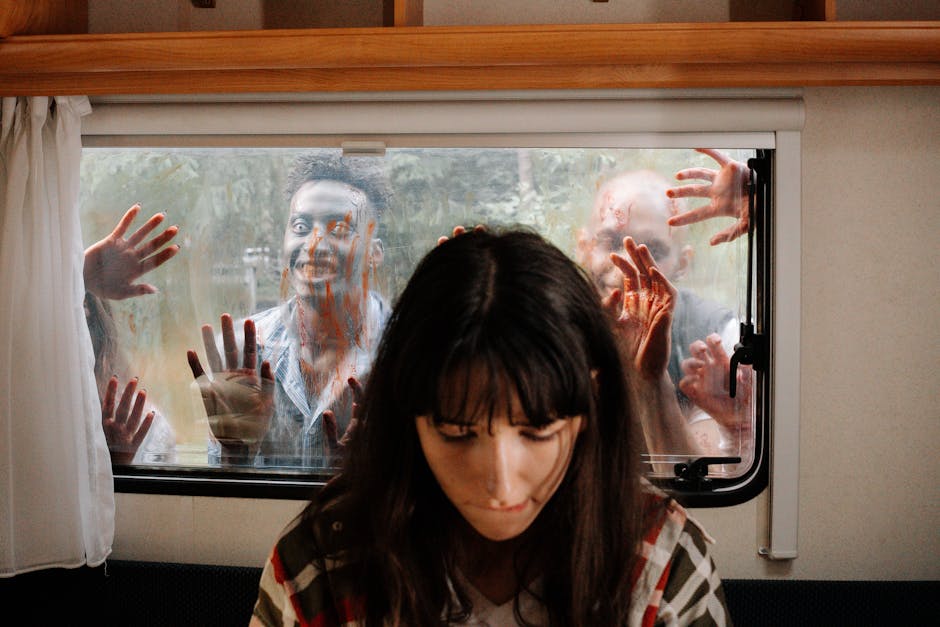
Director Zach Cregger's Resident Evil film offers a fresh narrative, capturing the essence of the game franchise while introducing new horrors.
Director Zach Cregger is set to offer Resident Evil fans a fresh and visceral take on the beloved horror franchise. The new movie, coming this September, lives firmly in the world of the games while charting its own unique narrative—a visual love letter to longtime fans. In a teaser breakdown, Cregger shared his vision, inspirations, and what sets this movie apart from past adaptations.
A Parallel Narrative to Resident Evil 2
Cregger describes the film as operating alongside the events of "Resident Evil 2." Rather than revisiting established characters like Leon or Claire, the film introduces a new protagonist. "This is just another dude on another mission, on the other side of town," says Cregger. While the movie stays faithful to the timeline and chaos of Raccoon City’s T-virus outbreak, it forges its own path.
The plot focuses on a character outside Raccoon City who must traverse into its heart, battling through a gauntlet of dangers. Unlike the traditional military-trained badasses often seen in action-horror films, the protagonist is an everyman—a relatable, untrained person thrust into an apocalyptic nightmare. "If I was in Resident Evil, I’d miss 95% of my shots," Cregger jokes, highlighting his aim for authenticity in the protagonist's reactions and struggles.
Paying Homage to the Games
A self-professed Resident Evil fanatic, Cregger infused the film with many elements from the games. For example, the thrill of weapon progression will feel familiar to fans. Starting with a pistol, the protagonist gradually upgrades to a shotgun and, later, an MP5. This deliberate escalation mirrors the excitement players feel when acquiring more powerful tools in the games.
The movie also mimics the third-person perspective, with an over-the-shoulder camera style that echoes the franchise’s signature gameplay. "It’s a dance between the actor and the camera operator," Cregger explains. When the character pivots left, the camera follows; when they turn right, the audience’s view does the same. First-person views are used sparingly, heightening visceral moments.
Attention to detail extends to other game staples like resource management and exploration. One scene shows the protagonist scouring an abandoned house for ammunition—a nod to the constant hunt for healing items and supplies. Cregger even recreated the iconic green herb container from "Resident Evil 4," embedding it in the background for eagle-eyed fans.
"You can’t do a proper love letter to the games without showing that search for resources," he insists. Layers of fan service, such as hidden objects and visual callbacks to "Resident Evil 4," add depth without overwhelming newcomers to the franchise.
Not Just Another Zombie Movie
Interestingly, zombies don’t play a central role in Cregger's film. While some traditional zombie scenes are included—such as a chaotic moment with detonating zombies in the streets—the focus shifts to grotesque, original creatures birthed from the T-virus. "To just limit it to zombies feels like a squandered opportunity," says Cregger. Instead, the movie leans into "weird creature stuff," including a memorable scene inspired by the judge in Cormac McCarthy’s "Blood Meridian." Fans of the Nemesis character may see hints of that hulking nightmare in this new creation, but Cregger stops short of replicating it directly.
The creatures aren’t mere set dressing, either. A new mechanic, wherein the infected interact with each other in unexpected ways, will challenge the protagonist throughout the film. While Cregger remains tight-lipped on specific details, the evolving nature of the infected is set to keep viewers uneasy.
Influences and Inspirations
Cregger openly acknowledges "Resident Evil 4" as his favorite game in the series. Its mix of vast locations, diverse settings, and action-packed gameplay provided inspiration for the film’s pacing and structure. However, he notes that it’s in the franchise's more atmospheric entries, like "Resident Evil 8," that true terror lies.
Borrowing from "Resident Evil 4," the movie incorporates moving through expansive areas rather than being confined to a single mansion—a departure from earlier film adaptations. Cregger also highlights elements like locked doors and key-finding missions, staples of the games’ design, which are woven into the storyline. "Anyone who’s played the games will recognize exactly what I’m doing," he promises.
A Slow Burn Through Hell
Rather than barreling through chaos, the protagonist moves deliberately, embodying the cautious exploration gamers love. This approach allows the film to savor its most horrifying moments. "It’s the perfect playground for a guy like me," says Cregger. From turning tense corners to opening creaky doors, the pacing builds dread thoughtfully.
Cregger also teases a sequence involving a sewer, where the protagonist encounters a grotesque, looming creature—one part homage to "Blood Meridian," another to Resident Evil’s knack for the grotesque. Undoubtedly, this scene exemplifies his vision: blending the weird with the horrifying.
Support and Freedom
Unlike some filmmakers adapting major franchises, Cregger experienced minimal studio interference. He praised the production team for giving him the freedom to explore his vision, ensuring the movie stayed true to his interpretation of the Resident Evil universe.
What Fans Can Expect
Cregger’s Resident Evil movie isn’t a retelling or an attempt to redefine the canon. Instead, it’s a parallel story—a fresh perspective on the chaos of Raccoon City. With dynamic pacing, creative creatures, and painstaking homages to the games, the movie seeks to satisfy hardcore fans while offering something accessible for newcomers.
As an unmistakable nod to Resident Evil’s legacy, the film invites viewers to experience the survival horror genre in a way that feels both nostalgic and new. From the design of its creatures to the careful progression of weapons, it’s a celebration of the franchise's core elements while daring to try something different.
Staff Writer
Zoe writes about game releases, indie titles, and gaming culture.
Comments
Loading comments…


