Rising Costs and Hidden Stresses in Game Development: Insights from GDC 2026
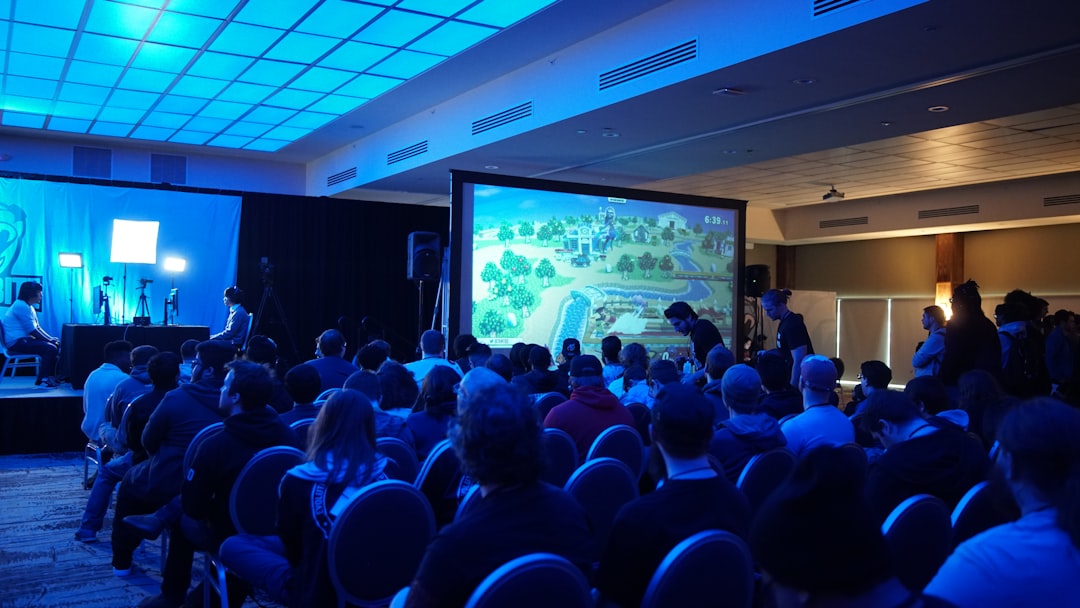
GDC 2026 reveals growing challenges in game development, including rising costs, production pressures, and reliance on AI tools for next-gen gaming.
The Game Developers Conference (GDC) 2026, held earlier this year, shone a spotlight on some of the most significant challenges facing the gaming industry today. While the event didn’t generate buzz through flashy new trailers or blockbuster announcements, developers and industry insiders engaged in critical conversations about the rapidly changing landscape of game creation. Among the most pressing topics of discussion were the rising costs of game development, the increasing reliance on AI tools, and the evolving expectations for next-generation hardware.
Rising costs reshape the industry
Game development has never been more complex or expensive. Studios are now creating vast, intricate worlds with photorealistic visuals, lifelike animations, and interconnected game systems. But this expansion comes at a price. During conversations at GDC 2026, many developers stressed that budgets for AAA games have ballooned to unprecedented levels, with some titles requiring hundreds of millions of dollars to complete.
This financial strain is leading to longer development cycles, which in turn creates pressure to deliver products that meet players’ high expectations. If a game falls short or struggles to gain traction, these substantial investments could become significant liabilities. For smaller studios, the challenge is to produce creative, high-quality titles without access to the same resources as larger companies. The risk-reward balance is becoming increasingly precarious as development costs continue to climb.
The role of AI in game development
AI tools also took center stage at GDC 2026. Developers are increasingly relying on artificial intelligence to streamline processes and reduce labor-intensive tasks. These tools are being used to procedurally generate assets, assist with character animations, or improve QA by identifying bugs more quickly.
While AI has the potential to boost efficiency and reduce some costs, it is not without controversy. Some developers worry that leaning too heavily on automation could compromise creativity or result in a loss of jobs within the industry. There’s also concern about maintaining a unique artistic voice in projects that rely on AI-driven content. Striking the right balance between leveraging technology and preserving human ingenuity is a key issue that studios will need to navigate.
Evolving expectations for next-gen hardware
Another significant focal point of GDC 2026 was the ongoing conversation around next-generation gaming hardware. Quiet speculation among attendees suggested that Microsoft’s next console, often referred to as Project Aliens, is in active development. While official details remain under wraps, the industry is abuzz with expectations about how this console could shape the future of gaming.
Hardware advancements have always driven shifts in the types of games that developers can create, but they also come with challenges. Studios must decide how to allocate resources toward optimizing performance on cutting-edge devices while ensuring their games remain accessible to players who haven’t yet upgraded. In an era where cloud gaming and subscription services are becoming more prominent, next-gen consoles will likely need to prove their worth beyond raw power.
Key takeaways from GDC 2026
The discussions at GDC make it clear that the gaming industry is at a critical juncture, facing both enormous opportunities and significant risks. Rising production costs and mounting pressures demand careful decision-making, particularly for independent developers who have less financial flexibility than major publishers. AI tools offer exciting possibilities but also bring ethical and artistic concerns. The looming release of new hardware suggests another wave of innovation, but it’s unclear how deeply this will affect development priorities or player expectations.
For the everyday gamer, these conversations translate to broader trends that may affect how games are made, priced, and supported in the coming years. As development becomes more expensive, buyers may see higher-priced products or a heavier reliance on post-launch monetization strategies like season passes, downloadable content, or live-service components. At the same time, improvements in AI and hardware promise to push gaming experiences into new territory, making titles more immersive and ambitious than ever before.
Conclusion
GDC 2026 emphasized that while gaming technology and creativity continue to advance, developers are grappling with an environment of rising costs, high stakes, and rapid technological change. The industry’s ability to adapt to these challenges will likely determine the pace and direction of innovation moving forward. Gamers can expect the coming years to bring evolving experiences, but also shifts in pricing, delivery models, and the way games are produced behind the scenes.
Staff Writer
Zoe writes about game releases, indie titles, and gaming culture.
Comments
Loading comments…


