'Screamer' is a nostalgic ride through arcade racing with modern twists
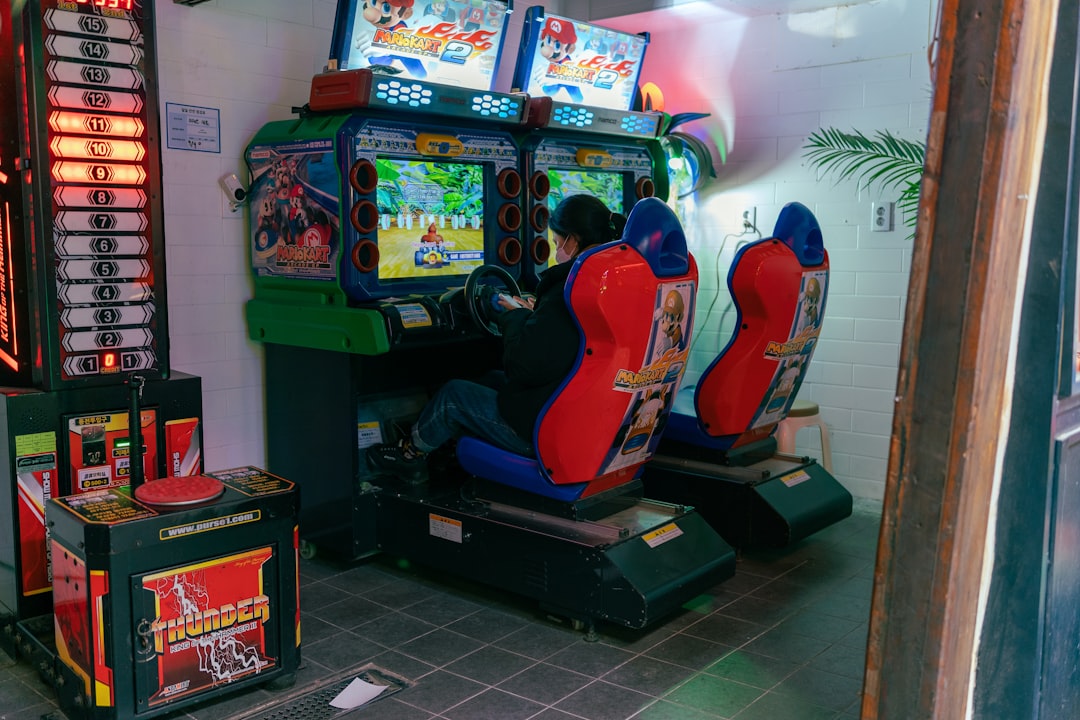
Screamer blends '90s arcade nostalgia with anime-inspired storytelling and innovative mechanics, offering a unique experience for fans of racing games.
'Screamer,' an upcoming title from developer Milestone, reimagines the golden age of '90s arcade racing games with a modern twist. Set to release on March 26, the game is available now in early access for platforms like PlayStation 5, Xbox Series X, and PC. This nostalgic love letter to an earlier era of gaming stands out with its fresh mechanics, anime-inspired storytelling, and multiplayer options designed to cater to both solo and social players.
The gameplay: Reviving the '90s with a fresh coat of paint
For anyone who remembers arcade racers from the '90s, Screamer feels like a direct callback, but it introduces new features to keep the experience current. For starters, the game divides its offerings into several modes, including an arcade mode for straightforward racing and a story-driven tournament mode. The latter, enriched with unique anime-style cutscenes, lets players follow a narrative complete with characters, rivalries, and twists as they advance through a 24-act storyline.
Screamer's driving mechanics are where it further breaks from its retro inspirations. The game introduces functions like vehicle drifting controlled via the right analog stick. This innovative feature offers a fresh spin and slightly raises the skill ceiling for players used to traditional racing mechanics. Real-time control over drifting lets you carve up tracks with surgical precision, but it also adds an initial learning curve. Navigating sharp turns while managing acceleration feels intuitive yet challenging enough to keep veterans engaged.
Vehicle customization and progression
One of Screamer's standout features is its deep customization system. "Gage Workshop," the in-game hub for modifying cars, allows for layering performance changes and aesthetic tweaks. While the exact depth of customization wasn’t fully explored during initial testing, players can unlock new parts by progressing in the story or achieving specific milestones in arcade races. Upgrades promise to add not just unique looks but real performance benefits in acceleration, speed, or control.
Another layer of interactivity comes in the form of a "Gallery," documenting unlockable illustrations or in-game milestones. Collecting these adds a sense of achievement for visual enthusiasts who want a game that rewards their skill with artwork.
Bringing back split-screen and online multiplayer
A noteworthy element in Screamer is its dedication to split-screen multiplayer. In an era where split-screen is increasingly rare, Screamer feels grounded in the '90s ethos by enabling friends or family to race locally on the same screen. This nostalgic multiplayer component is paired with robust online play, giving players the option to compete globally or keep things at home with friends.
This dual approach caters to different audiences. The online multiplayer allows for serious competition on a global scale, while the split-screen provides casual entertainment and ease of access—a rarity in modern racing games.
Sound design and presentation
Music plays a significant role in Screamer, its beat-heavy soundtrack keeping players immersed during intense races. However, due to streaming constraints, vocal streamers are recommended to turn the music volume down or off entirely to avoid copyright issues. The developers have thoughtfully included an option to disable these tracks for content creators, meaning the fun doesn't have to stop if you're streaming.
As far as visuals are concerned, Screamer walks the tightrope between stylized aesthetics and realism. While all vehicles appear original and not tied to any real-life manufacturers, they exude the charm of Japanese street culture—tuned cars, vibrant paint jobs, and sleek designs evoke classic "underground" racing vibes without stepping into imitation territory. Day and night cycle modes demonstrate impressive lighting effects that catch your eye at speed, especially on scenic tracks.
Anime-style storytelling and unique world-building
The tournament mode, touted as a "story mode," brings anime-inspired storytelling into the world of racers. Unlike typical arcade-style games where the emphasis lies solely on gameplay, Screamer integrates narrative to create key dramatic moments. Each of the 24 chapters introduces new challenges and a growing sense of rivalry, supplemented by high-quality cutscenes. The production values in these segments reflect an attention to detail that sets this game apart from many others in its class.
One significant feature of the story mode is the inclusion of specific challenges, like time-based objectives or overtakes, that give each event a unique flavor. While competitive elements remain, the storyline often dictates events dynamically. It's less about grinding and more about experiencing a curated path.
Voice talent in the game, while not confirmed in detail, allegedly shares its roots with prominent games such as "The Last of Us" or "Uncharted." Whether accurate or not, the voice acting aims to give depth and emotional stakes to the anime-inspired characters.
Accessibility and player impressions
For those new to arcade racers, Screamer avoids daunting UX hurdles thanks to intuitive menus and beginner-friendly modes. But make no mistake: the game ramps up in difficulty enough to challenge veterans. The AI is responsive and aggressive, punishing mistakes while rewarding precision and strategy. This balanced approach means the game should hold its appeal across a broad range of skill levels.
Much like its predecessors in the arcade genre, Screamer includes an easy-to-understand boost system. Players tap into accumulated energy for performance as part of short bursts triggered via quick decision-making. There's also a new "synchronization" mode that promises extra speed—refining racing into a mix of twitch skills and strategy.
Why Screamer matters
Screamer isn’t just a fun callback to '90s arcade gaming—it’s also a symbol of how the genre can evolve without losing its nostalgic charm. By straddling the line between quick, thrill-heavy experiences and long-term progression in story mode, it caters to casual players and die-hard fans alike. The inclusion of online competitive races and rare split-screen support adds considerable value, offering the best of both multiplayer modes.
With its early-access release garnering attention for unique mechanics and creative storytelling, Screamer paves the way for the next generation of arcade racers. Whether or not players reach for the nostalgic controls of their childhood or feel refreshed by innovative right-stick drifting, the game has something compelling for everyone.
March 26 is right around the corner—expect Screamer to make an impact when it hits shelves officially. Until then, the early-access link offers those eager to join Hiroshi, Frederick, and crew an excellent head start.
Staff Writer
Zoe writes about game releases, indie titles, and gaming culture.
Comments
Loading comments…


