Steam Controller: A Game-Changer for PC Gamers
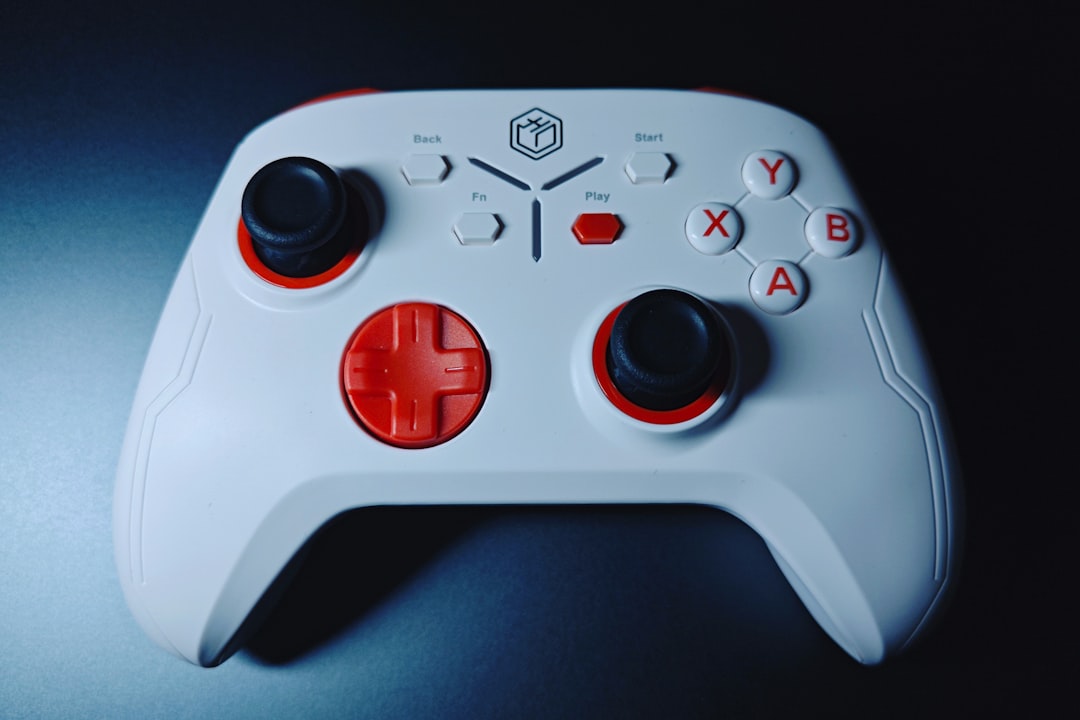
Valve's Steam Controller impresses with dual trackpads, top-notch haptics, and robust customization for PC gaming enthusiasts.
Valve has set its sights on redefining the PC gaming experience with the Steam Controller, a device purpose-built for gamers who thrive on flexibility and precision. Packed with standout features like dual trackpads, superb analog sticks, and strong haptics, this controller aims to offer an experience unlike many traditional gamepad options.
Designed for PC Enthusiasts
The Steam Controller is explicitly designed with PC gamers in mind, taking heavy inspiration from Valve's own Steam Deck handheld console. Much like the Steam Deck, the Steam Controller features two trackpads, which give it a unique edge compared to most gaming controllers. These trackpads aim to replicate the precision of a mouse while maintaining the ergonomic feel of a controller, making it particularly suited for strategy, simulation, and first-person shooter titles where accuracy is paramount.
Valve has also ensured that the analog sticks are built for durability and reliability. According to Valve, the analog sticks on the Steam Controller are virtually immune to stick drift—a common issue that has plagued many modern controllers. For gamers frustrated by drift impacting their gameplay, this feature alone may make the Steam Controller worth considering.
Buttons and Build Quality
The feedback on buttons and bumpers suggests that Valve has paid close attention to tactile quality. While the main face buttons and four rear buttons feel satisfying to press, the D-pad is reportedly less clicky than what players might find on an Xbox controller. While this could be a minor issue for fans of fighting games or retro titles, it’s unlikely to detract from the overall experience for most players.
Customizability is another major selling point. Through Steam’s extensive controller support, users can remap every button and optimize settings to suit specific games. Whether you’re setting up profiles for competitive shooters or creating unique input schemes for intricate indie titles, the Steam Controller delivers unparalleled flexibility. Gamers who prefer having their equipment fine-tuned down to the smallest detail will find ample room to experiment and adapt.
Battery Life and Connectivity
Battery life comes in at an impressive 35 hours, according to Valve. For long gaming sessions, the convenience of having a connectivity puck that also doubles as a charger ensures that even heavy users won’t have to worry about running out of battery mid-session. During testing, this feature seamlessly supported extended usage without hitting the low-battery warning—a clear advantage for marathon gaming nights.
When it comes to connectivity, the Steam Controller supports Bluetooth, opening up compatibility for mobile devices such as smartphones and tablets. However, it’s worth noting that the controller doesn’t support consoles, making it strictly a PC and mobile peripheral. Gamers who mix console and PC ecosystems might find this limiting, as it can’t be used as an all-in-one device.
Haptics and High-End Features
One of the standout technical features of the Steam Controller is its haptic feedback. Valve has clearly invested in high-quality haptics to complement the trackpads and buttons, adding an extra layer of immersion. While it may lack a few premium options available in competitors—such as advanced trigger resistance or modular thumbstick designs—the Steam Controller compensates with its unique trackpads and precision-focused design. These features are especially appealing for PC gamers, who typically have different expectations than console players prioritizing controllers for casual use.
Limitations to Consider
As robust as the Steam Controller is, it isn’t without limitations. For one, console players won’t find much use for it due to the lack of support. Additionally, though the D-pad is functional, the reduced clickiness compared to Xbox controllers might be a dealbreaker for retro gamers or those heavily reliant on directional inputs.
Another aspect to consider: Valve has leaned into a design philosophy that’s heavily focused on PC gaming’s flexibility and modularity, which may not appeal to traditionalists who want something plug-and-play without the need for customization. If you’re someone who doesn’t enjoy tinkering with settings, the Steam Controller might feel over-engineered for your needs.
Who Should Buy the Steam Controller?
At its core, the Steam Controller excels as a unique option for those deeply entrenched in the PC gaming ecosystem. It’s most likely to appeal to players who adore precision, crave customizability, and appreciate hardware that pushes traditional boundaries. Genres such as RTS, MOBA, and simulation games—titles that typically require mouse-like levels of precision—could benefit greatly from the dual trackpads and flexible remapping options.
On the flip side, if you’re primarily interested in cross-platform play, or you’re a console gamer looking for something universal, the limitations in connectivity and lack of console support might be significant drawbacks.
Availability and Final Thoughts
The Steam Controller is set to launch on May 4, and all signs point to it being a compelling addition to Valve’s growing hardware ecosystem. With its innovative use of trackpads, long battery life, and strong focus on precision, it positions itself as an ideal tool for PC-centric gaming enthusiasts. However, whether these features resonate with every gamer will depend on individual preferences and needs.
As PC gaming grows ever more versatile, Valve seems to have crafted a controller that caters to the platform’s unique flexibility and demands. The real question isn’t whether the Steam Controller is innovative—it clearly is—but whether its distinct design choices align with how you prefer to play.
Will it live up to its promise when it lands in gamers’ hands this May? That remains to be seen, but it’s sure to turn heads in the lead-up to its release.
Staff Writer
Marcus covers video games, esports, and gaming hardware. Two decades of industry experience.
Comments
Loading comments…


