The chaotic poetry of livestream gamer commentary
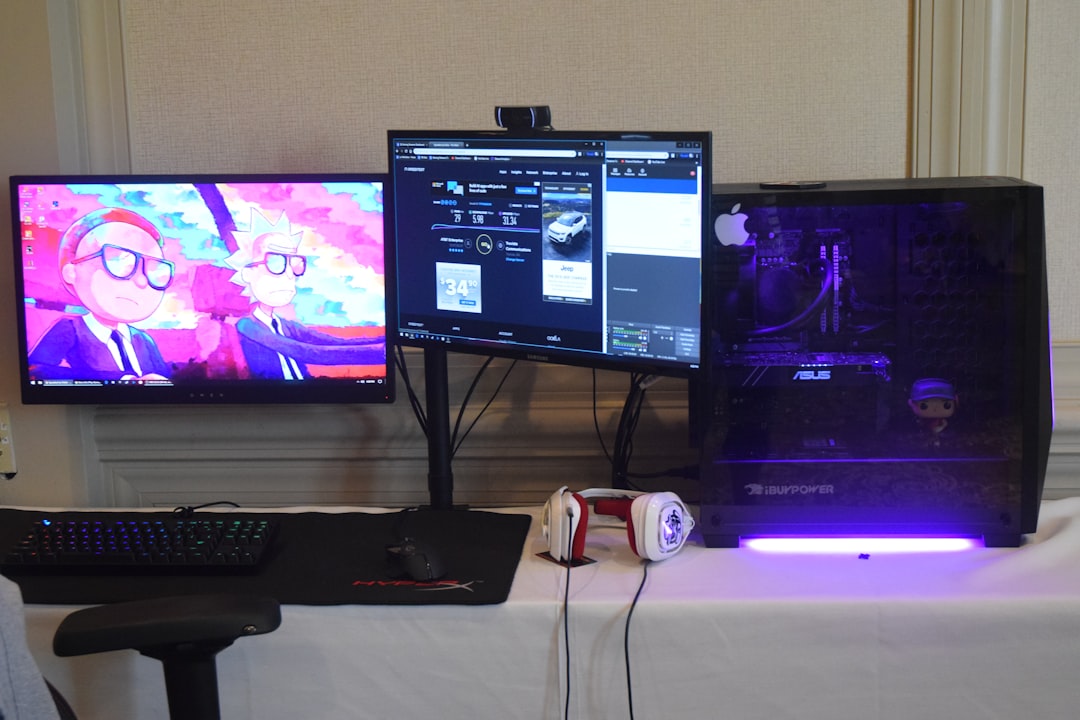
A look into the unfiltered and erratic language of livestream gaming, capturing the immersive chaos of modern digital play.
In the world of livestream gaming, chaos reigns supreme. Between the sound effects blasting from the game itself and the unfiltered commentary spilling directly from the streamer, there’s an almost poetic disarray that defines the experience. For fans, this immersive unpredictability is part of the appeal.
The transcript provided—a patchwork of fragmented phrases, unfinished thoughts, and emotional outbursts—represents a snapshot of this culture. From what can be pieced together, a streamer is fully immersed in their game, jumping between moments of frustration, confusion, and humor. While the transcript might seem nonsensical at a glance, deeper analysis reveals how it captures a unique aspect of digital play: the blending of unscripted personal expression with the demands of real-time engagement.
Chaos as a Feature, Not a Bug
The immediacy of livestreams is both their magic and their curse. Streamers function as entertainers who must juggle the dual roles of playing a game and connecting with their audience. This can lead to moments of cognitive overload where random thoughts spill out mid-stream.
For example, the streamer repeatedly notes, “I’m totally gaming right now,” as a comedic mantra. The moment feels self-aware, as if they’re simultaneously poking fun at their own obsession with the virtual world and affirming it to their viewers. Later, their commentary morphs into a slurry of self-deprecating humor and expletive-laden frustration as they try to navigate an objective without clear guidance from the game. The phrase, “I don’t know where to go, there’s a red thing up there,” is a relatable cry for help—one that many gamers have likely experienced when facing ambiguous level design.
This unscripted commentary taps into the raw nature of gaming, where moments of triumph are often interspersed with confusion and failure. The language is fragmented and repetitive, but these qualities also make it feel authentic. Viewers tune in not to hear polished presentations, but to connect with a streamer’s real-time thought process.
Viewer Engagement and Improvisational Humor
An underlying theme in the transcript is the uncertain interplay between the streamer and their audience. Phrases such as “I’m going to wait to see if anyone jokes” hint at the feedback loop that drives livestreaming. Streamers often wait for chat responses before reacting further, and much of the humor in these sessions is derived from this back-and-forth dynamic.
The transcript also showcases improvisational humor, even when unintentional. Lines such as “Oh my God, I have to press a button, dumbass,” highlight the internal monologue breaking through to the audience. These raw moments of self-awareness endear streamers to their audiences, who appreciate the humanity behind the expletives.
The Art of Gaming Commentary
Though the transcript’s fragmented structure might seem detached from traditional forms of storytelling, it aligns with the art of gaming commentary. Successful streamers master the ability to narrate and interpret their gameplay while managing audience engagement. The chaotic stream-of-consciousness captured here showcases the fluidity and improvisational skill required.
Gaming commentary often strays into absurd territory—lamenting a game’s overly loud audio or panicking about obscure objectives, as seen in this transcript. This approach keeps the experience entertaining, even during slower stretches of gameplay. Highlighting “a ladder there,” the streamer’s speculative curiosity about climbing it, and their subsequent comedic frustration gives viewers a reason to laugh despite the lack of narrative progression.
Cultural Impact of Gaming Livestreams
Livestream gaming has become a cornerstone of internet culture, evolving from niche hobby to mainstream entertainment. Platforms like Twitch and YouTube Gaming allow gamers to share their experiences with massive audiences in real time. The performative elements of streaming—marked by unfiltered commentary like that in the transcript—have created emergent genres within gaming culture. Some streamers are celebrated for their humor, others for their skill, and many for their ability to juggle both while maintaining a connection with their viewers.
This form of entertainment is inherently participatory, with audiences engaging in chat windows, making suggestions, and sharing in the streamer’s experience. As captured in the transcript, the streamer occasionally pauses mid-sentence to acknowledge this implied conversation—even anticipating reactions: “I’m totally gaming right now. I’m going to wait to see if anyone jokes.”
The Unfinished Language of Gaming
This type of commentary highlights the unfinished and fragmented language of gaming discourse. The sentences, often left incomplete, reflect the distractions of the gaming process—multitasking between decisions in the game and outside commentary isn't easy. This unfinished quality does not render the communication ineffective; viewers understand and interpret it through shared cultural familiarity with gaming and its challenges. The mention of “no objective menu” or the humor in “what am I doing this for?” resonates with anyone who’s felt similarly lost in a game.
Scope for Improvement: Communication Functions
Despite the humor and relatability, fragmented commentary sometimes risks alienating viewers who prefer clearer communication. Beginner gamers or casual viewers can become disoriented by a commentary style that skirts coherence. More experienced streamers consciously balance chaos with moments of clarity, keeping the narrative direction intact even while indulging in the familiar banter.
Why It Matters
Livestream gaming commentary is more than a vehicle for humor or self-expression. It reflects the evolving ways in which humans interact with technology and share those experiences socially. The streamer's chaotic mix of exclamations, frustrations, and observations mirrors the unpredictability and joy of the games they play. For viewers, it offers not only entertainment but also validation—they see their own challenges and quirks mirrored onscreen.
As livestream gaming continues to grow, this type of freewheeling commentary will remain central to the experience. It’s messy, it’s loud, and sometimes it’s outright nonsensical. But it’s also an authentic reflection of how gaming brings people together in the digital age.
Staff Writer
Zoe writes about game releases, indie titles, and gaming culture.
Comments
Loading comments…


