The complicated impact of the Saudi esports World Cup
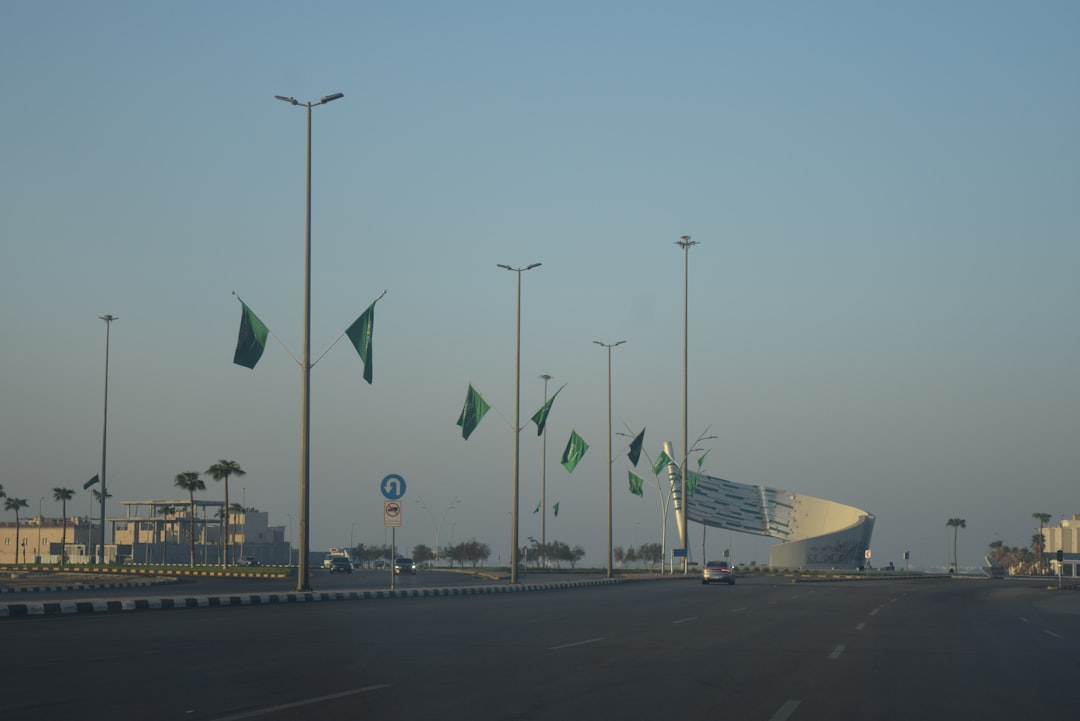
A deep dive into Saudi Arabia's Esports World Cup, exploring its unprecedented scope, controversies, and impact on the global esports landscape.
Saudi Arabia's esports ambitions: The rise of a global phenomenon
The Saudi Esports World Cup (EWC) has become one of the largest and most controversial events in competitive gaming. With its roots in the 2022 Gamers8 festival, the EWC has rapidly evolved, boasting unprecedented prize pools, global participation, and the backing of the Saudi government. However, alongside its remarkable production scale, the event has sparked heated debates over ethics, human rights, and the influence of state-run esports initiatives.
A $71.5 million spectacle
The sheer scale of the 2025 EWC is staggering. Involving players from 89 countries, competing across 25 different games—from Fortnite to Rocket League—the event offered a record-breaking $71.5 million prize pool. With millions of viewers tuning in worldwide, and a seven-week runtime featuring innovative game formats and high-octane production, EWC 2025 represented the highest level of global esports.
Yet, this grandeur has come with its share of scrutiny. Critics argue that these events are more than just gaming tournaments—they function as part of Saudi Arabia's broader narrative within its Vision 2030 initiative. This vast economic reform plan is designed to diversify the kingdom’s economy away from oil production, prioritizing industries like entertainment, technology, and tourism. Esports, it seems, are now central to this agenda.
The backdrop: Vision 2030 and Saudi's esports investments
Under the leadership of Crown Prince Mohammed bin Salman (MBS), Saudi Arabia is reshaping itself into a global hub for sports and entertainment. Recent years have seen the country host a Formula 1 Grand Prix, acquire a stake in professional golf with LIV Golf, and bring in global stars like Cristiano Ronaldo for its sporting leagues. Gaming and esports are now a prominent part of this strategy, with MBS, a self-proclaimed gamer, actively promoting the industry.
Since 2021, Saudi Arabia has made hefty investments in gaming. It acquired ESL, DreamHack, and the Evolution Fighting Series (EVO), and bought stakes in companies like Electronic Arts. By hosting events like Gamers8—the precursor to the Esports World Cup—the Saudi government has fast-tracked its entry into the competitive gaming world. Each massive prize pool and slick production helps to elevate the kingdom’s profile in the gaming sphere.
Ethical dilemmas: Calling out 'esports-washing'
High-profile esports tournaments don’t operate in isolation. They depend on global players, game publishers, and sponsors for credibility. However, the Saudi Esports World Cup has ignited significant ethical concerns, ranging from human rights violations to broader geopolitical implications.
Saudi Arabia's record on issues such as women's rights, LGBTQ+ equality, and its involvement in conflicts like the Yemen civil war has consistently drawn criticism worldwide. These human rights concerns have sparked debates within the gaming community about the ethical implications of participating in Saudi-backed esports events.
One prominent example is Moist Esports, which, in 2022, withdrew from Gamers8 over Saudi Arabia's treatment of LGBTQ+ individuals. "I will not be associating with a country that does not recognize LGBTQ+ people as human beings," read a statement from the organization. Other teams and individuals, however, found the financial rewards too tempting to pass up.
How the EWC format favored Team Falcons
Critics have also suggested that the Saudi government has tailored the tournament formats to favor Team Falcons, Saudi Arabia’s leading esports organization. For the EWC in 2024, the Saudi Esports Federation (SEF) implemented a point-based scoring system. Rather than focusing solely on individual victories, the format rewarded consistent placement across multiple events. With the most teams competing across a variety of games, Team Falcons leveraged this system to secure overall victory—even without dominating in every title.
The home team also benefited from strong local grassroots initiatives. Programs like the Prime League and university partnerships helped nurture top-tier talent within Saudi Arabia, which combined well with the strategic acquisition of international players. For instance, Team Falcons’ Rocket League roster featured renowned players Rawas and Killers—already considered among the world’s best.
The wider implications of Saudi involvement in esports
Beyond competition, the Saudi government leveraged the EWC as part of a larger soft power strategy. By hosting world-class esports competitions, Saudi Arabia showcased itself as a forward-thinking entertainment powerhouse. Press coverage, tourism promotions, and celebrity appearances like Cristiano Ronaldo’s endorsement signaled a calculated effort to reach Western audiences.
This practice of "esports-washing"—using gaming events to distract from political controversies—has not sat well with all participants. High-profile streamers like tarik have openly rejected lucrative offers to host Saudi-sponsored events. However, the sheer scale and financial weight of the EWC have proved hard to resist for the majority of organizations and publishers.
Today, Saudi Arabian entities are entrenched in gaming. From sponsoring digital festivals to owning key tournament organizers like ESL, their influence is becoming inescapable. The dilemma for players and organizations is stark: participate and face potential backlash, or boycott and risk missing out on lucrative opportunities in an industry already struggling with profitability.
Looking ahead
The Esports World Cup, now an annual fixture, remains controversial but undeniably successful. Its 2025 iteration attracted an estimated 750 million viewers—a figure that underscores just how much Saudi Arabia has managed to cement its presence in the esports world.
For many fans, though, the emphasis remains solely on the games, not the politics behind the event. Still, the broader implications of Saudi Arabia's involvement in esports—whether as a genuine development effort or as part of a larger state narrative—raise questions for the industry moving forward.
Takeaways
- Saudi Arabia's EWC represents a massive investment in esports, with record-breaking prize pools and global participation.
- The tournament highlights ethical dilemmas, framed by Saudi Arabia's controversial human rights record.
- The Saudi government’s deep integration into the esports landscape—from event hosting to team ownership—blurs the line between competition and state influence.
- While the vision behind the EWC is ambitious, its underlying motivations—be it economic diversification or image crafting—continue to stir debate.
Does money outweigh ethics?
The Saudi Esports World Cup brings no straightforward answers. For players and fans alike, the event is an opportunity to showcase talent on the world stage—albeit with a backdrop that raises unavoidable ethical complexities. Whether the EWC's legacy becomes one of innovation or controversy, the collision of money, morality, and competition in esports is now undeniable.
Staff Writer
Marcus covers video games, esports, and gaming hardware. Two decades of industry experience.
Comments
Loading comments…


