The dark side of Pokémon: 30 years of controversies and challenges
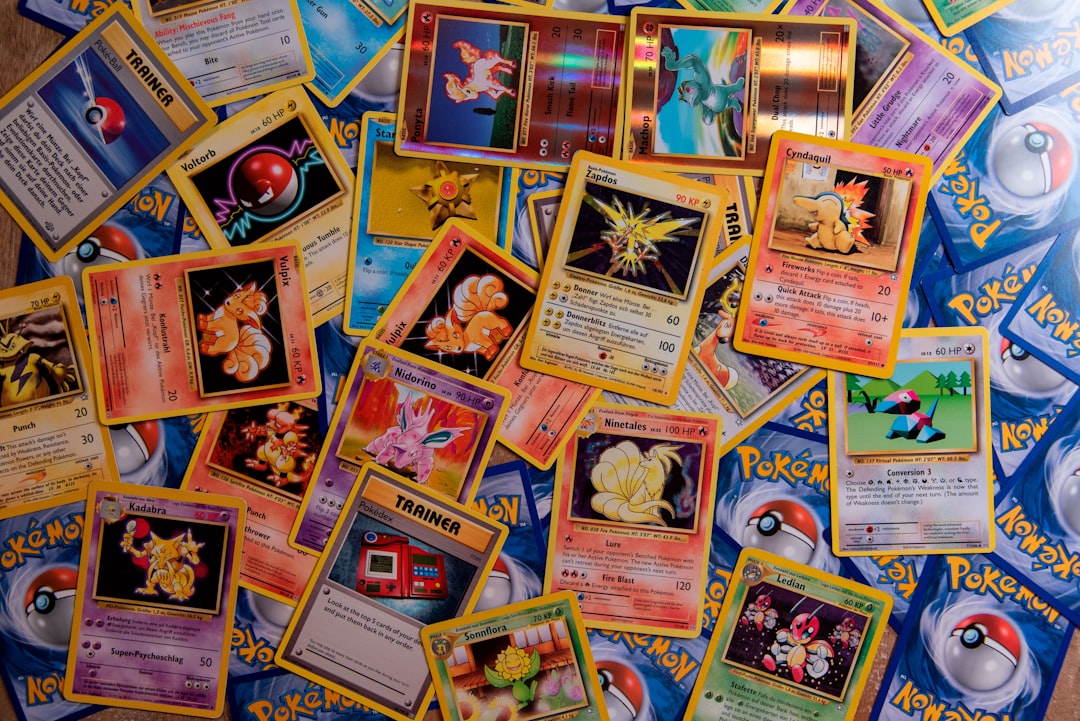
From seizures to censorship, Pokémon's 30-year history has weathered scandals while remaining a cultural juggernaut.
Since its inception in 1996, Pokémon has grown from a niche video game series to a global cultural phenomenon, enchanting children and adults with its irresistible blend of imaginative creatures, engaging gameplay, and layered storytelling. Yet for all its success, Pokémon has been no stranger to controversy, finding itself at the center of scandals ranging from public health concerns to cultural missteps. As the franchise celebrates its 30th anniversary, we take a look back at the most notable challenges that Pokémon has faced along its incredible journey.
The 'Pokémon Shock' Incident
Arguably the most infamous controversy in Pokémon’s history unfolded well before the franchise’s meteoric rise in the West. On December 16, 1997, an episode of the Pokémon anime titled "Dennō Senshi Porygon" aired in Japan. This particular episode featured strobing red and blue lights that inadvertently triggered adverse effects in viewers, including headaches, nausea, and, in approximately 685 children, full-blown seizures. These incidents sent hundreds of children to hospitals and led to the episode’s ban. The incident earned Pokémon global media attention, caused Nintendo’s stock to dip, and raised questions about the safety of fast-paced animations. Despite the black eye, the franchise recovered and made its way to international markets shortly after.
Rebranding for the Global Market
When Pokémon’s video games reached Western audiences, it wasn’t just the episodes stirring conversation. Originating in Japan as "Pocket Monsters," the global brand eventually adopted the abbreviated "Pokémon" to avoid potential legal conflicts with the Western toy brand "Monster in My Pocket." This small, calculated brand shift ensured the franchise entered foreign markets smoothly, where it found overwhelming success starting with the release of "Pokémon Red" and "Pokémon Blue" for the Nintendo Game Boy in September 1998.
Rumors and Urban Legends
Even the video games became fertile ground for controversy and urban myths. Stories circulated among schoolyard gamers about hidden Pokémon, such as "Mew"—a mythical creature that could only be obtained at Nintendo-sanctioned events—or glitches like the infamous "MissingNo." While these rumors were largely harmless, in the early 2010s, creepypasta forums spread a far darker urban legend about the haunting 8-bit Lavender Town music. The myth alleged that the eerie background theme caused a spike in suicides among young players in Japan. While this story was entirely fabricated, its connection to earlier, genuine criticisms of Pokémon’s media effects made it surprisingly plausible to some.
Burger King Tragedy
By 1999, Pokémon had become a global juggernaut, dominating entertainment mediums and fast-food promotions alike. Yet with ubiquitous popularity came tragic mishaps. A particularly notorious incident involved a Burger King promotion featuring Pokéball-shaped containers for kids' meal toys. One such container fatally suffocated a 13-month-old child, an unforeseen design flaw that turned the joyous promotion into a public relations crisis for both Burger King and the Pokémon brand. Following another near-tragedy, the toy was recalled, with public announcements urging parents to destroy or return the Pokéballs in exchange for fries.
Censorship and Localization Challenges
Pokémon’s localization for Western audiences saw significant content alterations, in part to ensure the material was deemed appropriate for children. Notable edited moments include the repositioning of "jelly donuts," which were originally Japanese rice balls (onigiri), and the removal of episodes like "Beauty and the Beach," where comedic depictions of inflated "breasts" caused unease. Additionally, a Safari Zone episode showcasing guns wielded by a trigger-happy game warden was entirely cut from international releases, creating a puzzling narrative gap in later episodes.
One of the franchise’s biggest cultural missteps came in the form of the Pokémon Jynx. Originally designed with jet-black skin, exaggerated facial features, and blonde hair, Jynx attracted widespread criticism for resembling racist caricatures like those associated with blackface. The backlash prompted a redesign, with the character recolored purple for all subsequent appearances in games, merchandise, and media.
Religious Controversies
The Pokémon franchise also stumbled into religious controversies. Conservative Christian groups in the early 2000s criticized the game for its focus on "evolution," which clashed with fundamentalist religious beliefs, and likened the collectible monsters to demonic entities. While these accusations led to Pokémon being banned in certain households and schools, global outrage softened after Pope John Paul II publicly commended Pokémon for fostering “intense friendship” and “inventive imagination.”
The Pokémon Trading Card Game: Gambling and Ban Lists
With its trading card game (TCG), Pokémon introduced younger audiences to collectibility and bartering. But its proximity to gambling mechanics—due to the thrill of opening mystery card packs and the subsequent aftermarket for rare cards—sparked concerns. Some schools banned the TCG altogether to curb playground disputes over unfair trades. The game also came under scrutiny for select card designs, such as Koga’s Ninja Trick, which originally featured a swastika-like symbol (a Buddhist "manji") that was removed from Western prints.
The Anime’s Lingering Challenges
Beyond individual controversies, Pokémon’s anime always remained under the critical lens. Even as recently as 2018, an episode of Pokémon Sun and Moon featured Ash applying brown body paint to blend in with the Alolan population, an act quickly seen as a form of racial insensitivity. Unsurprisingly, the episode never aired stateside. This incident revealed that even decades later, the huge franchise is still not invulnerable to cultural tone-deafness.
Resilience Amid Scandal
Despite these missteps, Pokémon’s 30-year run is a testament to its incredible resilience. It has weathered public outrage, legal hurdles, and even deadly accidents, yet its cultural appeal remains virtually unparalleled. Today, children and adults alike continue to enjoy new games and products from the franchise, proving that even the world’s "pocket monsters" can survive dark chapters in their magical journey.
Staff Writer
Marcus covers video games, esports, and gaming hardware. Two decades of industry experience.
Comments
Loading comments…


