The Last of Us Online Was 80% Complete Before Cancellation
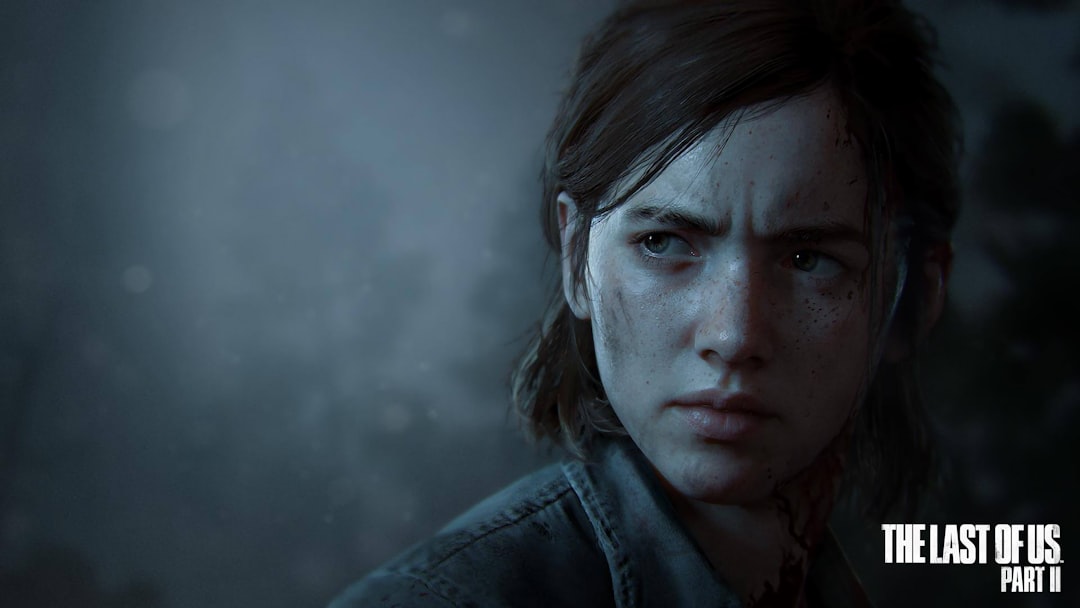
Naughty Dog's multiplayer project for The Last of Us was nearly finished before being canceled, shedding light on shifting industry priorities post-pandemic.
Naughty Dog’s highly anticipated multiplayer spin-off of The Last of Us was reportedly 80% complete before its abrupt cancellation, according to the game’s director, Vinnet Agarwal. In a December 2023 decision, the studio pulled the plug on the project, citing resource allocation challenges. Agarwal has since revealed more about the project’s downfall and its ambitious vision, offering a rare glimpse into the shifting priorities of the gaming industry.
Canceled Near Completion
Speaking on the Lance Ely podcast, Agarwal disclosed that the multiplayer project, set in the universe of The Last of Us, was nearing completion before funding and focus were redirected. “We developed it almost to 80% completion,” Agarwal stated. “It was very, very close to done.” The game had undergone significant development during the COVID-19 pandemic, a period when online gaming surged due to worldwide lockdowns.
Sony, like other gaming giants, ramped up investment in live service projects as consumers turned to multiplayer experiences to stay connected. However, as life returned to normal post-lockdown, this boom in online gaming subsided. Publishers, including Sony, reassessed their portfolios, leading to the cancellation of projects like Naughty Dog’s multiplayer entry.
Prioritizing Single-Player Strengths
Agarwal explained that the studio faced a tough choice between continuing development on the multiplayer game or focusing resources on a new single-player title directed by Naughty Dog president Neil Druckmann. Known for its critically acclaimed single-player stories such as The Last of Us Part II and the Uncharted series, Naughty Dog ultimately prioritized its core strengths.
“They had to pick the game that was kind of the sole bread and butter of the studio rather than this experimental game,” Agarwal said. Despite his personal investment in the project over seven years, the decision was made clear. Unfortunately for Agarwal, he learned of the game's cancellation just 24 hours before Sony’s formal announcement—an effort to control the narrative but nonetheless a painful experience for the director.
A Unique Vision
The multiplayer project aimed to capture the raw, desperate survival elements emblematic of The Last of Us universe. Agarwal revealed that the game’s concept was partially inspired by his real-life experience of being robbed. He described how his assailants stole his wallet, only to use a deactivated credit card to buy a humble meal at McDonald’s. The event, while frightening, underscored the desperation behind seemingly petty crimes.
Agarwal elaborated, “I wanted people to get that feeling... It was a multiplayer game set in the same universe as The Last of Us. The sense of desperation and the dehumanizing element of hunting another person for scraps was central.” The game’s mechanics would likely have emphasized tense, survival-driven gameplay, blending unique multiplayer dynamics with thematic storytelling.
The Industry Context
Naughty Dog’s decision highlights broader industry trends. The pandemic temporarily boosted the gaming industry, with online multiplayer titles benefiting the most. However, the cooling of this trend post-pandemic has seen many live service projects downsized or scrapped entirely. Publishers like Sony have moved back to their proven formulas, focusing on high-quality single-player adventures or established franchises.
The cancellation of The Last of Us multiplayer game also mirrors growing skepticism within the industry about the long-term viability of live-service games. While titles like Fortnite and Genshin Impact continue to thrive, many others struggle to establish and maintain large, dedicated player bases.
A New Chapter for Agarwal
Despite the disappointment, Agarwal is moving forward. He has since started a new studio, though details about his next project remain under wraps. His career shift underscores the challenges of navigating creative ambitions within the constraints of corporate gaming.
What Was Lost
The cancellation undoubtedly stung not only Agarwal but also fans who were eager to explore The Last of Us universe from a fresh multiplayer perspective. The project’s focus on survival mechanics and emotional storytelling could have offered a unique experience, akin to survival-heavy titles like DayZ or Ark Raiders, but with the storytelling depth Naughty Dog is known for.
Context in the Industry
Naughty Dog’s choice reflects a pragmatic, if heartbreaking, reality. The studio is renowned for setting standards in narrative-driven single-player titles. Doubling down on this reputation makes financial and creative sense, especially in a market where experimentation is risky and often expensive. However, the allure of a Last of Us multiplayer title still resonates with fans who wonder what could have been.
While game cancellations are nothing new, they often leave behind a complex legacy of creative ambition curbed by commercial reality. Agarwal’s candid reflections provide a nuanced look at the human cost behind these high-stakes industry decisions.
As the focus shifts, the gaming community will be watching both Naughty Dog's next moves and Agarwal’s new studio with interest. The talent and ambition behind the canceled Last of Us multiplayer title suggest that while one chapter was cut short, another may yet rise in its place.
Staff Writer
Marcus covers video games, esports, and gaming hardware. Two decades of industry experience.
Comments
Loading comments…


