Why Nintendo's Switch 2 is Struggling in the U.S.
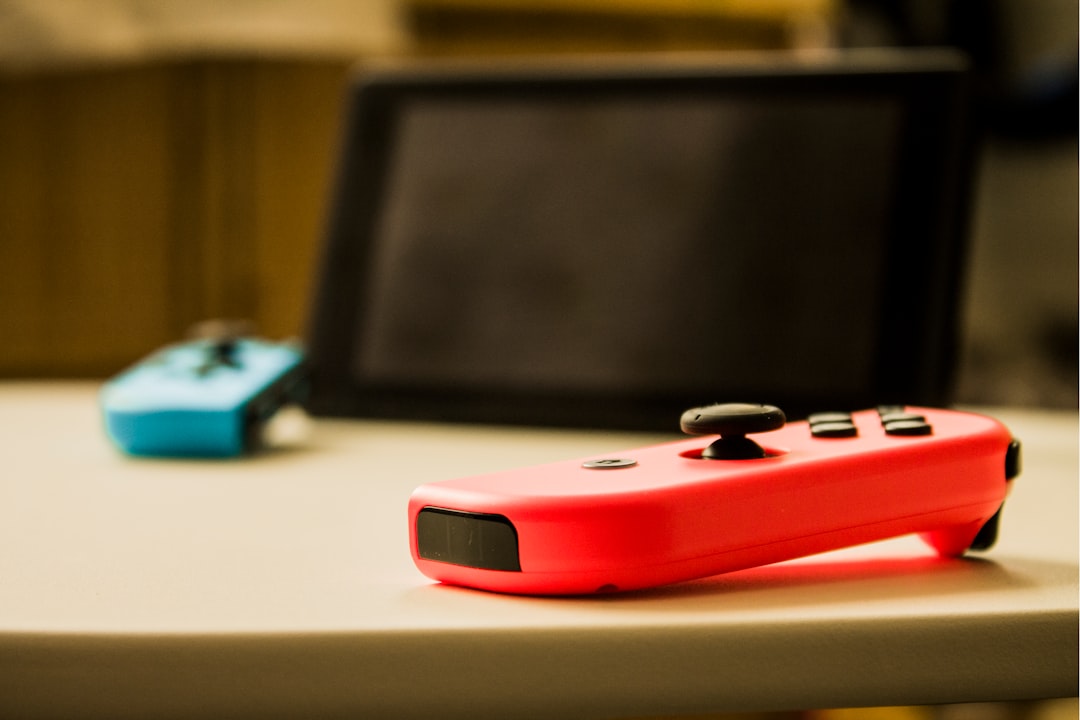
Despite a record-breaking launch in 2023, Nintendo's Switch 2 is facing weaker-than-expected demand in the U.S., prompting a 30% production cut.
Nintendo's Switch 2, released in June 2023, burst onto the gaming scene with a record-breaking debut that saw 17.37 million units sold globally by year-end. While the console thrived in Japan, a different story has unfolded in the U.S., where sluggish demand has led to an unexpected 30% production cut for the first quarter of 2024. Here’s a closer look at the challenges Nintendo is facing and what this means for the gaming industry.
U.S. sales slump leads to production cuts
The Japan Times recently reported that Nintendo plans to produce four million Switch 2 units this quarter, a sharp reduction from the previously intended six million. Insiders familiar with the decision cited weaker-than-anticipated U.S. sales during the critical holiday season as the primary driver for this production pullback. President Shuntaro Furukawa corroborated these concerns during Nintendo's February 2024 earnings call, admitting that overseas sales, particularly in America, "were somewhat weaker than expected."
The U.S. market struggles stand in stark contrast to Japan, where the Switch 2 has thrived due to its lower price point ($324 versus $450 in the U.S.) and strong demand for exclusive titles like Pokémon Pokopia. In America, the hefty $450 price tag combined with rising game prices and a limited exclusive library has made customers hesitant to invest.
A price problem at the core
A significant factor driving the weak U.S. performance is the price point. At $450, the base model Switch 2 console is over 27% more expensive in the U.S. compared to the Japanese market. When accounting for taxes and the cost of new games priced as high as $80, the overall investment can become prohibitive for many consumers.
In addition to pricing concerns, the broader economic environment plays a role, as inflation and tighter budgets have forced buyers to opt for more affordable gaming options. For example, Apple’s recent release of the MacBook Neo at $599 demonstrates consumer demand for cost-effective alternatives—proof that value-driven pricing strategies can capture a hesitant market.
Strong Japanese sales vs. U.S. realities
While the Switch 2’s international reputation has been bolstered by its success in Japan, where demand has remained robust, the disparity between markets is glaring. The lower price in Japan and a strong cultural attachment to Nintendo titles have given the console a significant advantage. Pokémon Pokopia, for instance, sold over two million copies in just four days, proving that software innovations can indeed drive hardware sales. However, similar traction is missing in the United States.
In December, Nintendo suffered a setback with the release of Metroid Prime 4 Beyond, which performed below expectations, selling fewer than one million copies in its debut month. This underwhelming launch underscores the challenges Nintendo faces in building excitement for its software among the broader U.S. demographic.
Comparing the Switch 2’s reception in Japan and the U.S.
| Key Metrics | Japan | United States |
|---|---|---|
| Retail Price (Base Model) | $324 | $450 |
| Holiday Sales Performance | Above Expectations | Below Expectations |
| Top-Selling Title | Pokémon Pokopia | Pokémon Pokopia |
| Software Demand | Strong | Limited |
Lack of compelling software lineup
The Switch 2’s softer-than-expected U.S. momentum can also be attributed to a weaker software lineup, especially post-launch. Currently, major exclusives include Mario Kart World, Donkey Kong Bonanza, and Pokémon Pokopia. Though these are strong titles, they may not be enough to keep pace with competition from Sony and Microsoft, both of which boast a wider range of triple-A games.
Grand Theft Auto 6, one of the most anticipated titles set for 2026, is widely expected to debut only on PlayStation 5, Xbox, and possibly PC, leaving the Switch 2 a less appealing option for hardcore gamers. For a $450 console, limited access to high-profile future titles could deter potential buyers.
Hardware innovation: A thin line
Technically, the Switch 2 brought incremental advancements over its predecessor, including better performance and updated design. However, it lacks standout features like an OLED screen—the current model utilizes an LCD display. Additionally, its weight and bulkiness as a portable device have drawn some criticism, limiting its appeal to casual gamers seeking convenience.
Many industry analysts argue that Nintendo needs to diversify its hardware offerings. A Switch 2 Lite—a portable-only version with reduced memory and a lower price point, similar to the original Switch Lite—could attract more budget-conscious buyers. A sub-$350 price point might prove pivotal in recovering Nintendo’s U.S. market presence.
A challenging market
The reduced production for Q1 2024 is not expected to prevent Nintendo from achieving its annual target of 20 million units sold. However, the company continues to face steep competition not only from existing rivals like Sony and Microsoft but also from emerging trends, such as AI-driven gaming solutions, which threaten to pull consumer interest in other directions. Moreover, rising memory chip prices are further pressuring profit margins for electronics firms worldwide, including Nintendo.
Practical ways forward
Given these challenges, where does Nintendo go from here?
- Pricing adjustments: To spur U.S. demand, reevaluating the $450 price tag will be key. Whether through temporary discounts, bundles, or a lighter variant like a Switch 2 Lite, consumers need options.
- A stronger software library: New, exclusive games that leverage the Switch 2’s hardware will be essential. Promising titles like Pokemon Winds and Waves, projected for release in 2027, could help attract buyers, especially if paired with discounted hardware.
- Localizing success strategies: Replicating Japan’s success in other markets through regionally adjusted pricing or partnerships could expand the console’s appeal.
Conclusion
The Switch 2 is a reminder that even a record-setting launch doesn’t guarantee long-term success. While the console remains a best-seller in Japan, its struggle to maintain momentum in the U.S. stems from pricing barriers, economic headwinds, a limited exclusive game library, and competition from more powerful hardware.
Nintendo has options: revisiting its pricing strategy, introducing hardware variants, and rolling out compelling new titles could revive U.S. interest. But until such changes are made, the Switch 2 risks being another example of how critical pricing and value perception are for today’s cost-conscious consumers.
Staff Writer
Marcus covers video games, esports, and gaming hardware. Two decades of industry experience.
Comments
Loading comments…


