Xbox’s Project Helix: The Key to Microsoft’s Future Success in Gaming
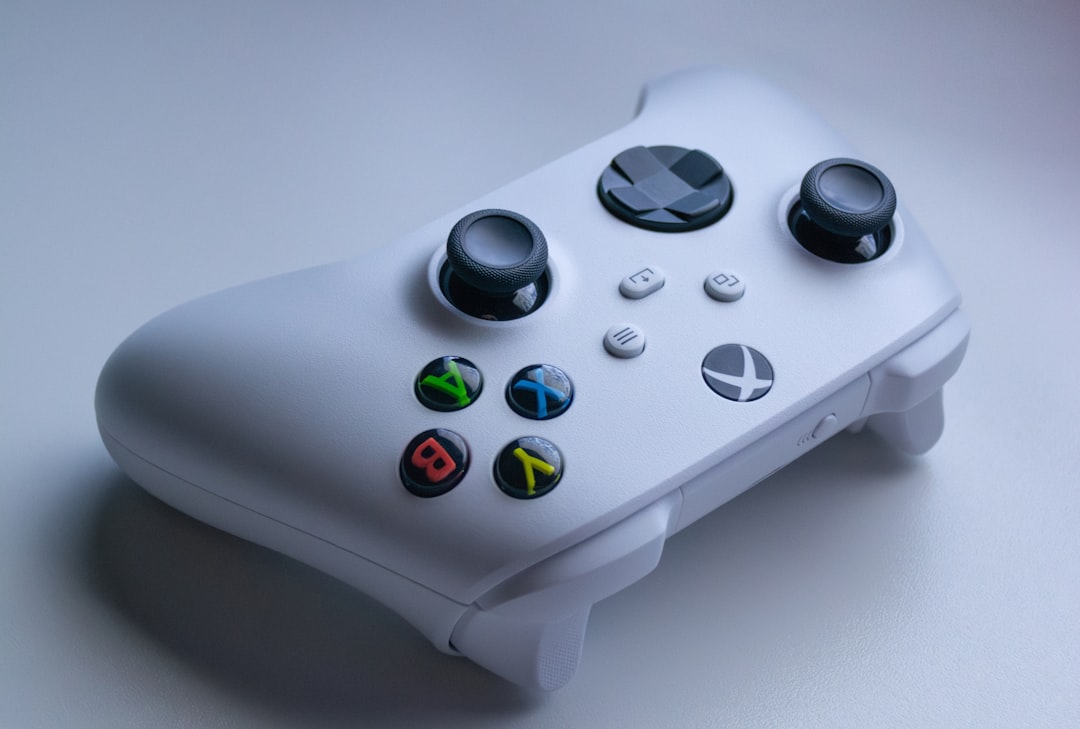
Xbox’s Project Helix promises a unique hybrid PC-console experience, but its success will hinge on clear messaging to gamers about its strengths.
Microsoft has unveiled its ambitious new gaming strategy with Project Helix, a hybrid gaming system combining the characteristics of a console and a PC. While this represents a significant departure from traditional console design, it also foreshadows a critical pivot point for Xbox’s position in the gaming market. However, the system’s success will depend heavily on Microsoft’s ability to clearly communicate its strengths to both casual and core gamers alike.
What is Xbox’s Project Helix?
Project Helix isn’t your typical living room gaming console. Instead, it represents a bold hybrid approach: a system designed to bridge the gap between console and PC gaming. While official details remain scarce, rumors suggest that Helix may offer compatibility with major PC storefronts like Steam in addition to a massive catalog of PC games. This would immediately position Helix as a platform with access to more titles than its competitors, such as Sony’s PlayStation 5 or its potential successor, the PlayStation 6.
This unique functionality is part of Microsoft’s effort to lean into its strength where the rest of the gaming market has hesitated. Sony reportedly plans to focus solely on its console-exclusive ecosystem, while Nintendo famously avoids the PC market altogether. In contrast, Microsoft aims to combine the best of both worlds, potentially revolutionizing how gamers play across platforms. However, this unconventional approach means Microsoft must abandon any attempt to market Helix as just another console. A failure to communicate this differentiation clearly could doom the platform’s success.
Xbox’s Messaging Challenges
Microsoft’s inconsistent messaging has been a recurring issue for Xbox—dating back to the infamous reveal of the Xbox One in 2013. At that time, mixed messages about always-online requirements and restrictive DRM policies alienated gamers and handed Sony a major victory with the PlayStation 4. The fallout of that misstep left Xbox spending years reacting to competitors rather than proactively leading the market.
To avoid repeating history, Asha Chararma, Microsoft’s new gaming chief, must ensure that Helix’s core strengths are delivered with clarity. Above all, the system’s hybrid nature must be framed as an advantage to both console players and PC gamers. This requires understanding the unique needs of each audience:
-
Console Gamers: For traditional Xbox players, Helix must be marketed as seamless and complementary to their living room experience. Gamers should feel that they can ignore its PC functionality and still enjoy unparalleled access to an extensive library of immersive games right on their TV. Emphasizing ease of use and robust support for couch co-op gaming experiences will be key.
-
PC Gamers: For the PC community, the added value of Steam sales, a massive existing library of titles, and improved access to affordable hardware functionality must be central elements of the messaging. Helix should present itself as a gaming PC alternative with keyboard/mouse capabilities, offering an upgraded experience without compromising on price or flexibility.
The Strength of Game Catalogs
If Microsoft executes properly, Project Helix could outperform its rivals in sheer volume of accessible games. Its ability to tap into the vast library of PC titles spanning the last two decades is unlike anything offered by PlayStation or Nintendo. By promoting this advantage, Helix could become the ultimate device for gamers who prioritize access to a broad and deep collection of games.
For casual audiences, highlighting the budget-friendly nature of PC gaming through frequent discounts on Steam and other storefronts can build a compelling case. While Sony and Nintendo focus on premium-priced first-party exclusives, Helix could lean into cost savings as part of its value proposition. This approach would serve both casual users and hardcore gaming enthusiasts.
Addressing Core Concerns: Pricing and Exclusivity
Game Pass Value
Despite its growing library, Xbox Game Pass has been a source of frustration for fans following multiple price increases. Over the last year, the service’s Ultimate tier jumped from $20 to $30 per month. Microsoft must demonstrate that Game Pass remains a compelling deal—especially as gamers face rising costs elsewhere in their lives. To address this, introducing new pricing tiers or added features (e.g., earning credits for new releases) could restore goodwill and attract more subscriptions.
Consistent Exclusivity Policies
Microsoft’s inconsistent approach to exclusivity has left many fans confused. Some Xbox first-party games are timed exclusives, while others are multi-platform on day one. This lack of clarity undermines loyalty among core Xbox players. Moving forward, Microsoft must establish a consistent policy, such as guaranteeing a one-year exclusivity window for all future Xbox games—apart from exceptions like Call of Duty, tied to legal commitments. Such consistency could drive adoption of Project Helix while ensuring a robust ecosystem exclusive to Xbox owners.
A Strong Lineup for the Next Generation
While Xbox faced content droughts in earlier generations, it has delivered an impressive lineup of games in recent years. Titles such as Stalker 2, Avowed, Doom: The Dark Ages, and Microsoft Flight Simulator 2024 are just a few examples of the diverse catalog now available. Looking ahead, 2026 promises releases like Fable, Minecraft Dungeons 2, Forza Horizon 6, and Gears of War: Eday.
These exclusives provide a golden opportunity for Microsoft to attract new customers to the Helix ecosystem. Combining this strong lineup with clearer messaging around exclusivity could help reinforce Xbox’s position as a credible alternative to Sony and Nintendo hardware.
Conclusion
Project Helix represents a bold gamble by Microsoft to lead the industry into a hybrid future. By combining compelling hardware, a vast library of games, and deep integration with PC gaming, it promises to offer an experience unlike any other. To succeed, Microsoft must learn from its past mistakes, such as ensuring that its messaging is clear, compelling, and tailored to both core and casual gamers. The unique strengths of Helix—as an all-in-one gaming platform—must be the primary focus as Xbox looks to the future.
By addressing concerns around pricing, establishing consistency in exclusivity, and emphasizing the platform’s core strengths, Project Helix could become the definitive choice for gamers globally. Now, the ball is firmly in Microsoft’s court.
For the latest updates, Xbox gamers can stay tuned to platforms like IGN’s Podcast Unlocked for in-depth news and insights on all things Xbox.
Staff Writer
Zoe writes about game releases, indie titles, and gaming culture.
Comments
Loading comments…


