10 Essential Fitness Tips for Beginners to Build Strength and Confidence
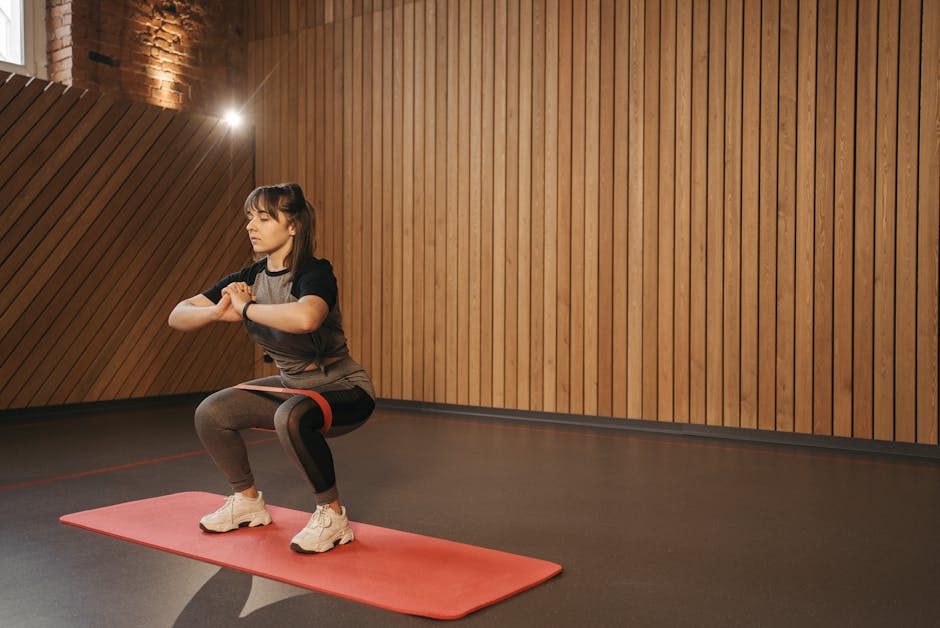
Starting your fitness journey? Follow these 10 practical tips to build strength, achieve your goals, and make fitness an integral part of your life.
Starting a fitness journey can feel both exciting and overwhelming. With so many opinions and advice available, where do you even begin? These ten tips boil it down to the essentials, ensuring you focus on what truly matters as a beginner in fitness, whether your goal is to build muscle, gain strength, or simply improve your overall health.
1. Think Long-Term, Not Short-Term
Building your dream physique is a multi-year journey. Focus on the long-term rather than obsessing over short-term progress like hitting a personal record in a week. Fitness is not a sprint; it’s a commitment spanning years. Develop resilience to stay the course, aiming to maintain your fitness even into old age. Staying consistent is more important than chasing perfection.
2. Good Physique Does Not Equal Good Advice
In the world of social media, not every influencer giving fitness advice is reliable. Aesthetic or strong-looking individuals may not always provide accurate or science-backed guidance. Always fact-check the advice you receive against credible sources and prioritize evidence-based training methodologies.
3. Make Fitness a Lifestyle Habit
Treat fitness as a responsibility akin to brushing your teeth—not a chore or quick hustle. By embedding workouts into your routine naturally, consistency becomes effortless. Fitness should enhance your life, not take over it. Balance it with relationships, career, and other priorities.
4. Never Skip Warm-Ups
Jumping straight into heavy exercises without warming up invites injury. Warm-up sets prepare the muscles, improve performance, and evaluate your strength for the day. For compound lifts like deadlifts or squats, do at least three warm-up sets, gradually approaching your target weight. For isolation movements, one warm-up set suffices. Keep warm-up reps low to conserve energy for your workouts.
5. Form First, Then Effort
Prioritize mastering form before increasing weight or intensity. Correct form helps you target the intended muscle group and prevents injuries. Once your form is solid, push harder by training to failure occasionally or applying progressive overload—whether through more reps, slower tempo, or adding weight. Aim for working sets to be within 1–3 reps of reserve (RIR), ensuring high effort in every session.
Progressive Overload Methods:
- Increase reps per set
- Add more weight gradually
- Adjust the tempo for greater control
6. Diet Alone Won’t Build Muscle
Nutrition plays a supportive role in building muscle but isn’t sufficient without consistent training. Bulking without a structured workout plan doesn’t lead to significant long-term gains. Focus first on creating a consistent, well-rounded gym routine. Once that’s achieved, optimize your diet with enough protein and caloric intake to support muscle growth.
7. Stick to the 6–12 Rep Range
Although muscle can be built across various rep ranges, the 6–12 rep range strikes an effective balance. It minimizes joint stress from heavy lifting and avoids excessive cardiovascular fatigue from higher reps. For optimal progress:
- 6–12 reps per set (90% of working sets)
- 8–20 sets per muscle group weekly (split across 2 sessions per week)
8. Set Realistic Goals for Year One
The first year of fitness is when you’ll see the fastest progress. Use this to either bulk and build mass or focus on body recomposition (building muscle while losing fat). Choose one goal and commit to it fully. Avoid indecisiveness to maximize this limited window of rapid gains.
9. Customize Diet, Don’t Copy
Copying someone else’s macros or calories will not yield identical results. Metabolism, lifestyle, and genetics vary too much between individuals. Some universal diet tips:
- Focus on vegetables, fruits, and lean proteins for fat loss
- Eat more calorie-dense, unprocessed foods (e.g., nuts, peanut butter) for bulking
- Avoid over-reliance on calorie tracking if beginner skills are lacking
10. Avoid Over-Restrictive Diets
Over-restricting foods—like following extreme diets such as keto or carnivore—is rarely sustainable. Instead, adopt the 80/20 rule: prioritize actions like eating lean protein, consuming more vegetables, and reducing junk food. Balance flexibility with structure to maintain long-term adherence. Key dietary habits should include:
- Drinking plenty of water
- Planning for movement and physical activity to maintain calorie balance
- Using meal inspiration instead of rigid plans
Supplements to Consider (Minimal):
- Protein powder
- Creatine
Avoiding Overcomplications:
Say no to overly intricate strategies such as obsessive calorie counting, overly frequent meals, or strict post-workout nutrition rules. For beginners, simplicity and consistency matter most.
Practical Beginner’s Checklist:
- Train 2–4 days weekly to start
- Focus on basic exercises: squats, deadlifts, bench press, and rows
- Eat a protein-rich diet
- Sleep 7–9 hours for recovery
Key Takeaways
Starting a fitness journey doesn’t need to be overwhelming when you focus on the fundamentals. Keeping a long-term perspective, personalizing your approach, and prioritizing consistency over perfection are the keys to sustainable progress. Your first year will set the tone, so choose your goals wisely, master form, and stay disciplined. By following these accessible ten tips, you’ll lay a solid foundation for success and longevity in your fitness journey.
Staff Writer
Lauren covers medical research, public health policy, and wellness trends.
Comments
Loading comments…


